Mama Jerriette: The Christian Parenting Influencer Embracing Radical Normalcy
Christian Parenting Influencer Embracing Radical Normalcy

The Unlikely Rise of Mama Jerriette: A TikTok Star for the Ordinary

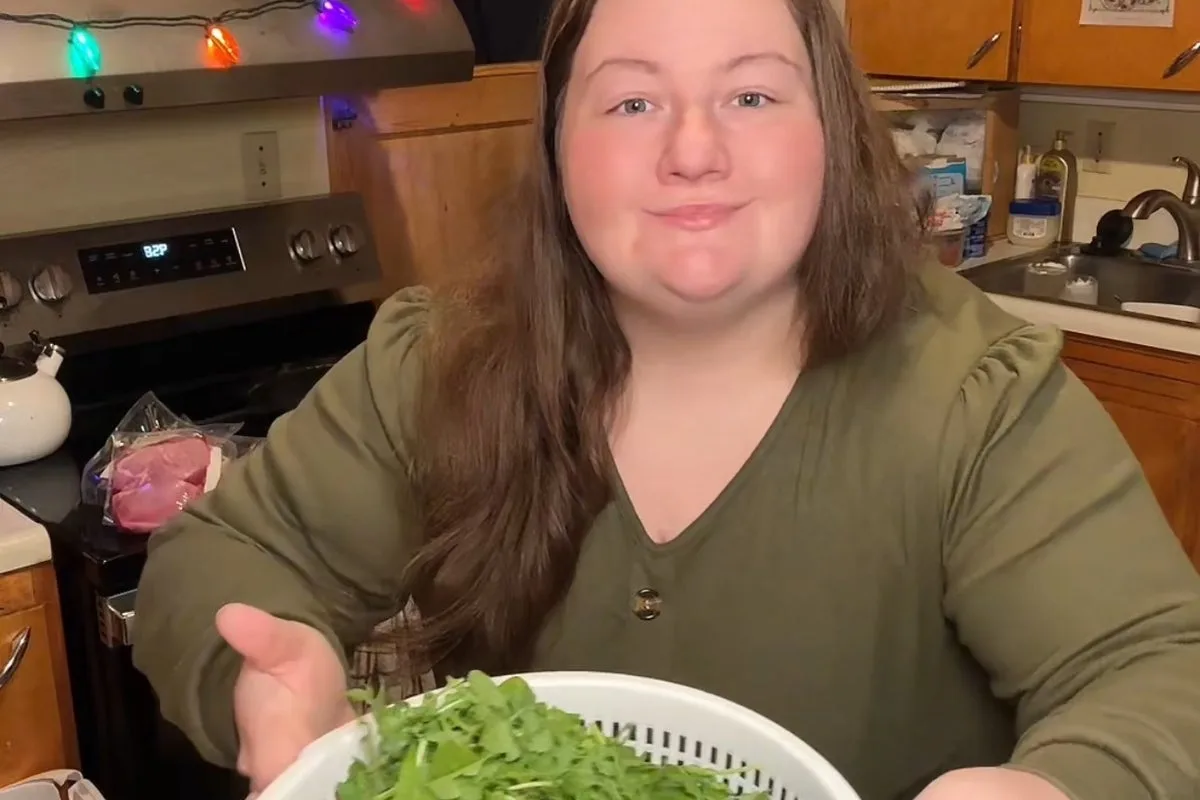
In a digital landscape dominated by glossy, aspirational lifestyles, Jerriette DuBay—better known as Mama Jerriette—has carved out a unique niche. With 1.3 million followers on TikTok, she represents a backlash against curated perfection, embracing what she calls "radical normalcy." Her content is a far cry from the sunlit, marble-countered kitchens of tradwife influencers; instead, it features broken ovens, Costco deals, and the chaotic reality of raising six children in Deckerville, Michigan.

A Life of Unexpected Celebrity

DuBay's journey to social media fame began humbly. Her first media interview was conducted from her car after a snow day disrupted plans, with six kids running around her house. This authenticity is her trademark. Videos showcase tail-light changes at Walmart, progress on GLP-1 medications, and pancake mix whisked in a small kitchen lined with wooden cabinets. There are no pastel-shade KitchenAids or haute couture here—just frozen mince dropped on linoleum to break it up.

Despite the chaos, DuBay is unequivocally happy. "I love being a mom," she says repeatedly. Her path to motherhood was challenging: she got pregnant at 14, gave birth the day after her fifteenth birthday, and now, at 31, has six children aged 16, 11, nine, seven, six, and three—all with the same father. She and her ex-husband, both teenagers when they became parents, have since divorced, with DuBay once posting a video begging for child support so her kids could have winter coats.

Forgiveness and Faith Amidst the Chaos

DuBay's message extends beyond parenting tips. She emphasizes forgiveness, even toward those who "don't deserve it." Raised in a poor, churchgoing Christian household with "yelling" parents, she turns to her faith for support. "That's my biggest support system," she says, though she laughs about wanting more friends, acknowledging she's "not a great friend" due to her busy life.

Her socialization largely happens online, through comments on her TikTok and Instagram accounts. This ordinary, relatable approach has resonated deeply. Comments on her videos often express admiration, with one garnering over 99,000 likes: "You're the sweetest and the cutest and such a good mom. We love you."

The Millennial Backlash Against Aspirational Culture

DuBay's content taps into a broader trend of radical normalcy, especially among millennials grappling with economic pressures. Accounts like UK-based Megan Archer-Fox, who built a following by admitting to £40,000 in debt, or The Mindful Dad, who posts about his ordinary London commute, reflect a rejection of unattainable aspirations. As DuBay notes, today's reality—marked by recession, pandemic, and inflation—has made traditional dreams seem like "gaslighting."

Statistics underscore this: 52% of American families report lacking resources for basic living costs, and 75% of millennials worry about making ends meet. The cost of the American Dream—marriage, home ownership, raising two kids—exceeds $4.4 million, far beyond most salaries. DuBay's calm demeanor belies these concrete pressures: bills, food, time, and exhaustion.

Motherhood at the Center

For DuBay, motherhood is central to her identity. She's thankful for each child but doesn't romanticize the demands. Juggling work, school schedules, church, cooking, and cleaning, she admits, "Honestly, I don't know sometimes." Having been rushed into adulthood at 15, she wants her kids to "fully enjoy their childhood." Her oldest son is now looking at colleges, and she assures him, "Mom's always here."

Critically, DuBay resists turning her children into content. They appear in the background but are never the focus—a boundary that contrasts with child influencers and family channels. This restraint, part of her appeal, aligns with the 2026 trend of "friction-maxxing," which reintroduces small inconveniences to foster human connection.

Building a Future on Normalcy

DuBay isn't lacking ambition. She hopes her social media presence builds "more stability" for her children, both financially and emotionally. With a management company, brand partnerships like Blue Apron, and an online store selling normcore merchandise (e.g., oven mitts saying "Come make dinner with me"), she's crafting a sustainable platform.

Her Christianity is inclusive and gentle, welcoming followers of all faiths. "We need to love people a little bit more," she says, positioning sensitivity as a superpower in a divisive public discourse. This ethos—that human life has inherent value—resonates with viewers seeking permission to stop striving for an aesthetic life and instead inhabit a real one.

As snow falls in Deckerville and DuBay relies on her mother for childcare, she embodies a quiet revolution. Her content offers acceptance, not escapism, reminding us that in a rigged game, sometimes the most radical act is to embrace what you have. After our interview, she went back inside and got on with the day—because dinner for eight is never simple, and there's always more to do.