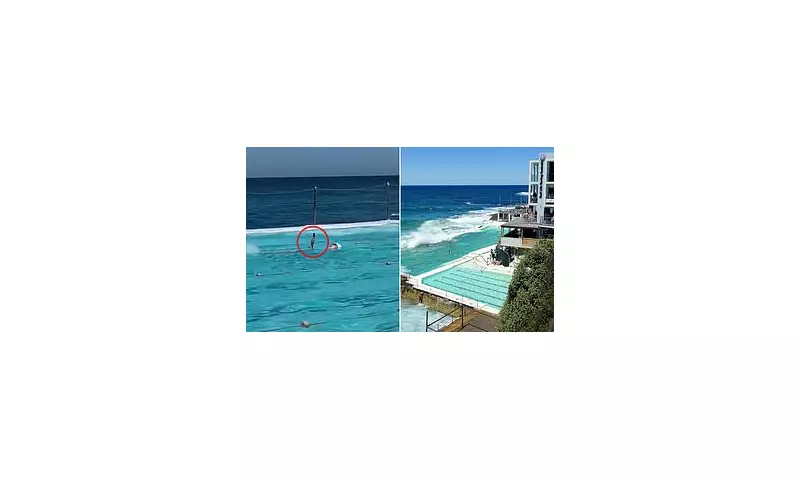
A viral video showing a woman apparently using her mobile phone while swimming laps at an iconic Sydney pool has ignited a fierce online debate about technology addiction and our inability to disconnect.
The Viral Moment at Bondi Icebergs
The footage, shared on social media over the weekend, captured a swimmer at the famous Bondi Icebergs oceanside pool. Rather than focusing on her strokes, the woman was seen lying on her back, using her legs to propel herself while actively scrolling on her smartphone. At one point, she turned the screen away and held the device at arm's length, seemingly to take a photograph or record a video of her surroundings.
The clip was sarcastically captioned by the TikTok account Brown Cardigan, which wrote: 'Good to see people just being in the moment, maximizing their screen time, never not being online and oversharing every possible minute of their lives.' The post triggered an immediate and widespread reaction from viewers.

A Nation Hooked: Australia's Screen Time Problem
The bizarre incident casts a stark light on a much broader national issue. Australians spend more than six hours a day on their mobile devices, according to data from SEO agency RedSearch. The dependency is deeply ingrained in daily routines, with nearly three-quarters of Aussies checking social media first thing upon waking and 80 per cent doing so just before bed.
University of Queensland research has identified that problematic smartphone use has widespread negative impacts, significantly affecting sleep quality, concentration, and stress levels. Dr Eric Lim, a Senior Lecturer at the University of New South Wales, warns of a vicious cycle. 'The more we are plugged in, the more we need these apps to provide ever-novel content to keep us hooked to the dopamine they provide,' he said.
Public Reaction and the Rise of 'Nomophobia'
Online, the response to the swimming video ranged from horrified to sympathetic. Many comments reflected a deep concern for societal norms. 'There's no coming back from where we are as a species,' one viewer declared. Another called it 'the most dystopian thing I've ever seen,' while others simply quipped 'Only in Bondi.' Some defended the swimmer, suggesting she was merely documenting her visit to the scenic location.
Dr Lim's research focuses on 'nomophobia' – the anxiety of being without a mobile phone. He notes this fear is driven by pervasive smartphone use and apps designed to capture attention. 'Studies have shown young adults between 18 to 24 developing nomophobia more than other age groups,' he stated, adding that toddlers are now growing up with phones acting as surrogate caregivers.
While mobile technology offers undeniable benefits, Dr Lim questions the overall cost. 'We become the willing product in the attention economy, but I do not believe we are better off in this economy even if we become more informed and hyper-plugged into events happening in this world,' he concluded. The woman in the pool may have just been capturing a moment, but the reaction she provoked underscores a growing cultural anxiety about our permanent state of connection.