Dubai Influencers Brand Fleeing Brits 'Ungrateful Brokies' Amid Conflict
Dubai Influencers Call Fleeing Brits 'Ungrateful Brokies'

Dubai Influencers Condemn Fleeing Brits as 'Ungrateful' Amidst Regional Conflict

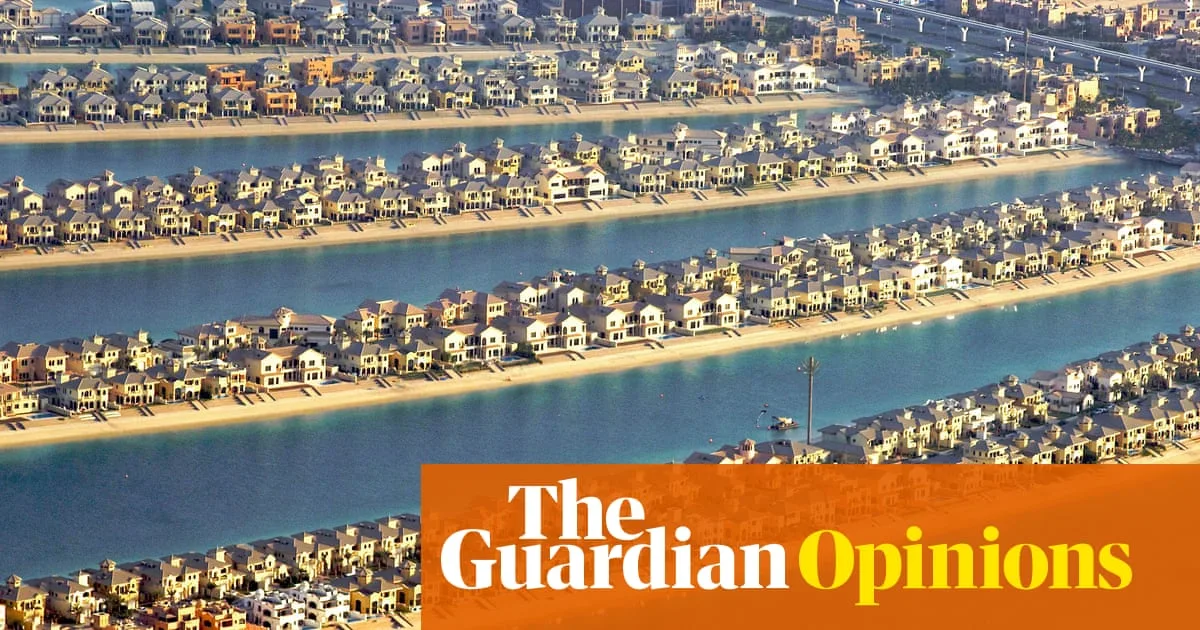
Influencers based in Dubai have unleashed a torrent of criticism against British expatriates who have evacuated the city during recent attacks, branding them as 'ungrateful' and 'brokies'. This outcry comes as Government statistics indicate that more than 63,000 individuals have returned to Britain from the region since the onset of the Middle Eastern conflict.

Social Media Backlash and Claims of Propaganda

Mitchell Armstrong, a prominent TikTok personality with over 31,000 followers, mocked those who left, asserting in a video that residents who remained were 'either profited off the war or made more money' because they 'were more locked in'. He emphasised that his daily routine, including visits to the sauna and steam room, and enjoyment of his $2.1 million apartment, remained unchanged. Armstrong ridiculed evacuees, saying, 'While you guys were all running around acting like brokies, "oh my god, there's bombs, oh my god, let's get out of Dubai".'

Similarly, influencer Soudi, in a video viewed over 62,000 times, described those who fled as 'very ungrateful', suggesting that their departure reduces traffic and scammers in the city. She insisted, 'I seriously don't think people's home countries are any better. They have no idea what they are going back to.'

Security Concerns and Arrests for Misinformation

These comments emerge against a backdrop of heightened security alerts. The UAE's Ministry of Defence reported that, as of yesterday, 285 ballistic missiles, 15 cruise missiles, and 1,567 drones from Iran have been intercepted. Dubai has faced multiple attacks in recent weeks, targeting its airports and financial centre, with videos depicting plumes of smoke billowing into the sky.

In Abu Dhabi, police arrested 45 individuals of 'various nationalities' for 'spreading misinformation and filming and sharing event locations' related to alleged attack footage. Concurrently, content creators with large followings have been sharing identical videos of Sheikh Mohammed bin Rashid Al Maktoum with captions like 'I know who protects us', leading experts to speculate that this could be a 'paid trend' or propaganda effort.

Tax Implications for Returning Expats

The exodus has also triggered complex tax dilemmas for wealthy Brits. Many who fled are now heading to Ireland and France to avoid substantial tax bills in the UK. Nimesh Shah, CEO of advisory firm Blick Rothenberg, noted receiving 'a disproportionate number of calls' from those escaping the UAE. He warned that HM Revenue and Customs are unlikely to grant 'exceptional circumstances' provisions for extra tax-free days in the UK, as UAE expats are often viewed as having relocated primarily to evade taxes.

Expats who have lived outside the UK for fewer than five years risk facing capital gains tax on assets sold overseas. One business owner staying in Dublin until April 5 expressed concern, stating, 'I’m happy to pay income tax and tax on investments next tax year, but I don’t want the sale of a business that I sold years ago to fall within UK capital gains tax.'

Influencers' Defiance and Community Divisions

Despite the turmoil, influencers like Armstrong and Soudi remain defiant. Armstrong claimed, 'All the rich guys, all the guys making money, printing bread either profited off the war or made more money because we are more locked in.' Soudi described the conflict as a 'speed hump', affirming, 'I still feel very grateful that I live in one of the safest countries in the world. Like, there is quite literally nowhere else I would rather be right now.'

This stance has highlighted divisions within the expat community, with Soudi noting, 'All of the OGs that have been in Dubai for longer than ten years or more are all staying. It's literally the people who have just moved out here that are leaving.' As the situation evolves, the debate over safety, loyalty, and financial pragmatism continues to unfold on social media platforms and beyond.