Green tea and matcha, though often confused, are distinct beverages with unique characteristics. Both derive from the Camellia sinensis plant, but their processing and consumption methods set them apart.
Origins and Processing
After harvesting, both green tea and matcha leaves are heated quickly to prevent oxidation, unlike black tea which is fermented. However, matcha is specifically ground into a fine powder, while green tea leaves remain whole or are cut. According to Perfect Ted, "matcha is a ground green tea; 'ma' meaning ground and 'cha' meaning tea. When you drink a matcha latte or matcha tea, you are drinking the whole tea leaf as opposed to steeping the leaf in water."
Additionally, high-quality matcha is shaded during the final growth stage to boost chlorophyll, EGCG, and L-theanine, giving it a vibrant green color. Green tea, on the other hand, is typically grown in full sun. Traditionally, matcha originates from Japan's Nishio and Uji regions, while green tea comes from China and is now produced worldwide.
Preparation Methods
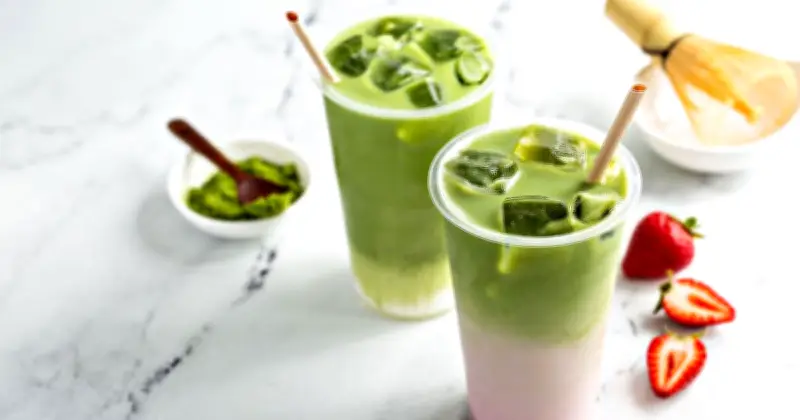
Green tea is simple to prepare: steep leaves or a bag in water at about 85°C for two to three minutes, then strain or remove the bag. Boiling water should be avoided as it scorches the leaves and releases harsh tannins. Matcha requires more effort: whisk one teaspoon of powder with a splash of warm water in a W-shape until frothy, then top with hot water for a hot drink or with cold water, lemonade, or milk for a cold version.
Caffeine Content
Both beverages contain caffeine. A typical serving of green tea has 30-40mg, while matcha contains about 75mg—roughly double. Decaffeinated options are available for those seeking to reduce caffeine intake.