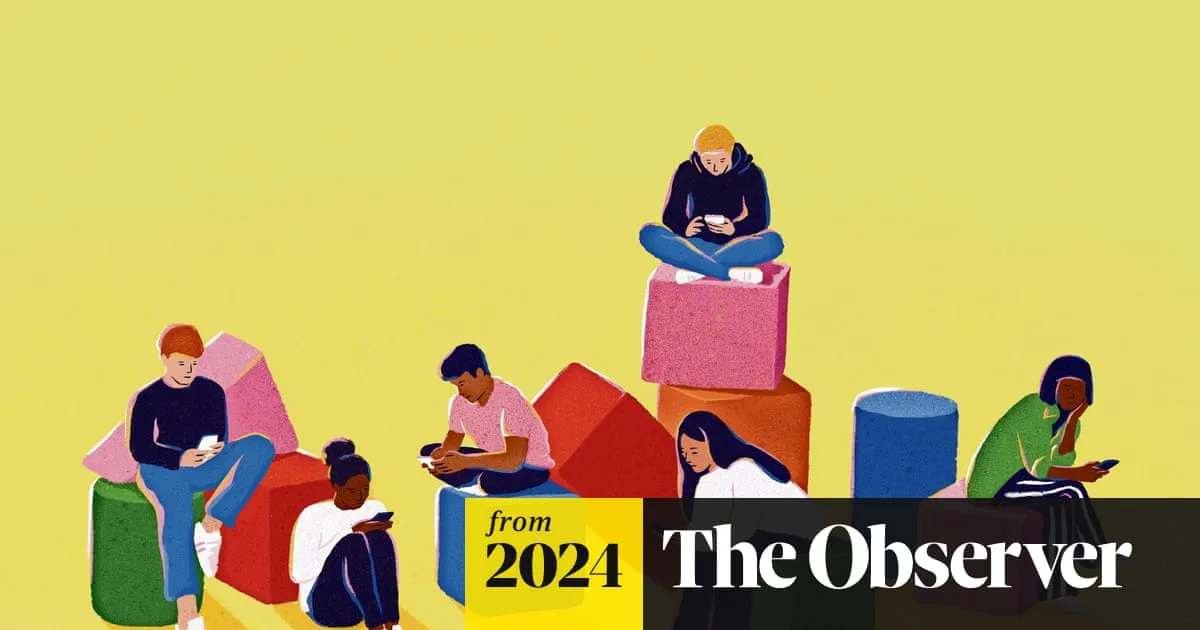
Gen Z Social Anxiety: Handshakes Fade as Digital Greetings Dominate
Gen Z Social Anxiety: Handshakes Fade, Digital Greetings Rise

The Decline of the Handshake: Gen Z's Social Anxiety Crisis

A firm handshake, once a universal symbol of good manners and connection, is rapidly becoming a relic of the past for Generation Z. Startling new research reveals that a full quarter of young people born between 1997 and 2012 now say social anxiety prevents them from greeting strangers in this traditional way. This fundamental shift in social interaction is being driven by the digital age, where texting and sending emojis online have largely replaced face-to-face greetings.

Survey Exposes Widespread Social Difficulties

The comprehensive study, commissioned by ACS International Schools—originally established for American students in Britain—surveyed 2,000 teenagers and uncovered profound communication challenges. An overwhelming 75 percent of those aged 14 to 29 admit they struggle significantly with social interactions in person. Even more strikingly, 92 percent of respondents reported feeling more comfortable communicating online than in physical settings.

Beyond handshakes, the research found that a third of Gen Z individuals consider looking someone directly in the eye to be too nerve-racking. Nearly two-thirds confessed they would go to any length to avoid casual small-talk, while a quarter revealed they cannot make a joke in group situations or voice civil disagreement during debates.

Wide Pickt banner — collaborative shopping lists app for Telegram, phone mockup with grocery list

Parental Concerns and Expert Warnings

Parental anxiety mirrors these findings, with more than two-thirds of parents expressing worry that their children lack essential confidence. Nearly all parents surveyed believe text messages and emojis are beginning to completely replace face-to-face interactions for their teenagers. Three-quarters attribute this dramatic shift to the immense influence of the internet, convinced their children's discomfort with social interaction stems from excessive online time.

Dr. Robert Harrison, one of the report's authors and an executive at ACS International Schools, voiced serious concerns about the future implications. 'The future belongs not to those who can code or calculate in isolation, but to those who can connect, convince and collaborate in person,' he stated. 'This generation has not lost the ability to communicate. But they are in danger of losing the confidence that effective communication requires.'

Dr. Harrison emphasized the paradox of timing: 'Just as artificial intelligence makes human communication skills more valuable than ever, we are raising a generation that appears to avoid them.' Despite AI's rise, three-quarters of parents still believe face-to-face communication remains more crucial for career success.

The Human Cost of Digital Dependency

The emotional toll is equally concerning. Most parents reported their children frequently become tongue-tied and blush with embarrassment during conversations. Experts now fear that these shrinking social skills could leave young people dangerously underprepared for critical life moments—from job interviews and first dates to the basic pleasantries of adult professional and personal life.

This research paints a troubling picture of a generation caught between digital comfort and real-world anxiety. As traditional greetings like handshakes fade into obsolescence, replaced by digital equivalents, the fundamental human skills of connection, persuasion, and collaboration face an uncertain future. The challenge for educators, parents, and society at large will be to bridge this growing divide before it becomes a permanent barrier to success.

Pickt after-article banner — collaborative shopping lists app with family illustration