The year 2025 will be remembered not for a single seismic shock to public confidence, but for the moment it finally crumbled under the weight of a thousand tiny cracks. According to commentator Kenny Campbell, the defining communications crisis of our time is no longer the blockbuster fake news scandal, but the relentless, exhausting spread of low-grade misinformation.
The Fog of Nonsense: Ambient Disinformation Takes Hold
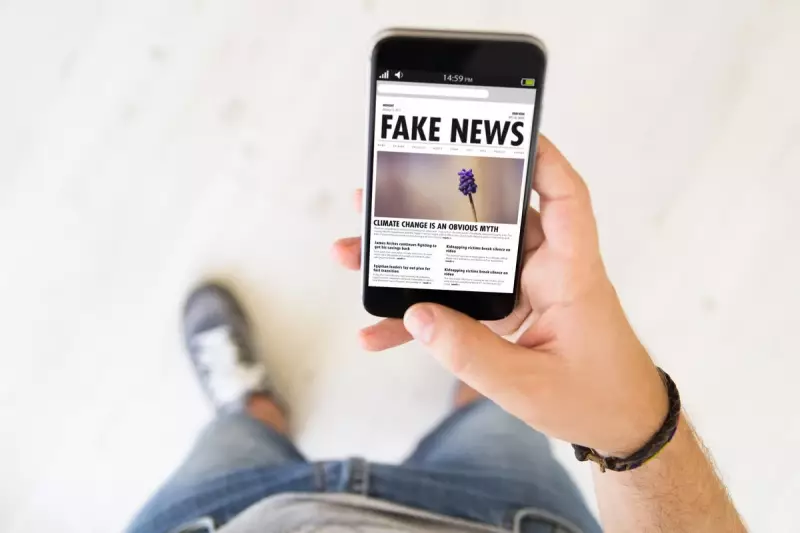
Campbell identifies a critical shift in our information environment. It is no longer defined by isolated disinformation events but is saturated with what he terms "ambient disinformation". This is a permanent haze of bogus claims, fabricated images, exaggerated rumours, and AI-generated rubbish that permeates daily digital life.
Think of fake NHS memos, invented supermarket policies, apocalyptic AI weather maps, or viral clips touting non-existent government announcements. Individually, these seem harmless and low-stakes. Collectively, they form a corrosive background hum that is wearing society down.

The data paints a stark picture. The 2025 Edelman Trust Barometer found that a staggering seven in 10 people believe governments, businesses, and journalists deliberately mislead them. This sentiment has only worsened throughout the year, accelerated by the sheer volume of AI-generated content swamping our feeds.
From Deception to Exhaustion: A Crisis of Stamina
The consequence of this constant exposure isn't simply a misinformed public. It's a weary and cynical one. When audiences feel permanently unsure, they stop interrogating individual claims and start doubting everything by default.
The result is not outrage, but withdrawal. The prevailing attitude becomes a resigned "who knows what's real anyway?". Alarmingly, research indicates this fog of nonsense is now causing people to disbelieve true stories, especially if they seem extraordinary, after years of being conditioned to expect fakery.
"This isn't a crisis of deception any more. It's a crisis of stamina," Campbell asserts. The damage from low-grade fakery is structural, like soil erosion, compared to the dramatic but superficial earthquake of a major fake news story.
The Uphill Battle for Clarity in 2026
The impact is felt across the board. Brands face cynicism towards genuine announcements. Journalists see verified reporting dismissed as spin. Public bodies encounter suspicion over even basic guidance. In response, everyone shouts louder to be heard, but clarity vanishes alongside trust.
If 2025 was the year trust snapped, Campbell argues that 2026 must be the year communications fights back. However, he acknowledges the immense difficulty of the task. Trust cannot be restored by one heroic correction. It may only return slowly, as specific outlets, platforms, and agencies painstakingly rebuild reputations for reliability.
The ultimate tragedy, Campbell concludes, is not that people believe lies, but that they have become too tired to care about the truth. Until we actively commit to rebuilding trust, rather than passively assuming it exists, those "sweet little lies" will continue their quiet, corrosive work.