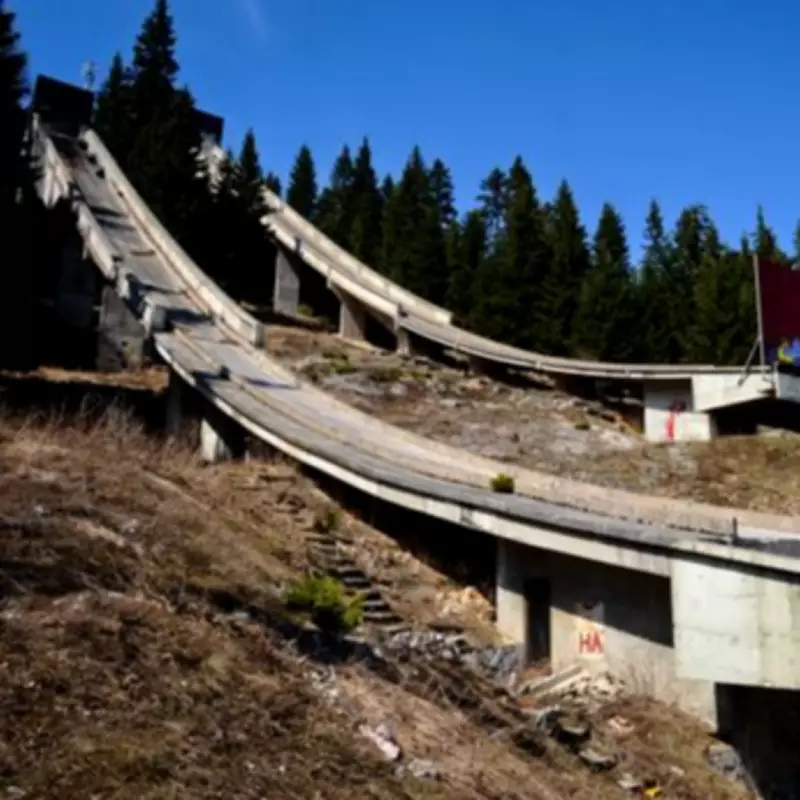
The Winter Olympics are celebrated as a global spectacle of athletic prowess, but the deserted venues from the 1984 Games in Sarajevo stand as a haunting testament to the passage of time and the ravages of conflict. Hosted in the capital of Bosnia and Herzegovina, then part of the former Yugoslavia, the event showcased memorable triumphs, including Jayne Torvill and Christopher Dean's iconic gold medal in ice dance.
Construction and Conflict
For the 1984 Winter Olympics, a total of nine venues were constructed across sites such as Bjelasnica mountain, Igman mountain, Jahorina ski resort, Skenderija II Hall, and the Trebevic bobsleigh and luge track. These facilities were designed to host thousands of spectators and athletes, with the bobsleigh track being noted as the fastest and steepest in the world at the time.
However, just eight years after the Games concluded, the Bosnian War erupted in 1992, lasting for three devastating years and resulting in over 101,000 deaths. The conflict inflicted severe damage on many Olympic sites, leading to their abandonment. Notably, the Olympic medal podium was repurposed as an execution site during the war, adding a grim layer to its history.

The Olympic Spirit Amidst Ruin
In 2019, five-time Olympian shooter Nedzad Fazlija reflected on Sarajevo's Olympic legacy in a statement to the International Olympic Committee. He described the city as a proud and successful host, emphasising the enduring Olympic spirit that motivated residents during the war. "Sarajevo was in the longest siege in modern war history," Fazlija said. "The first objects destroyed were Olympic facilities. Yet, this spirit gave people strength to endure, helping them clear ruins and rebuild daily."
He highlighted that while the physical structures were damaged, the intangible legacy of community and resilience persisted, driving efforts to restore infrastructure and revive the city's vibrancy.
Current State and Future Hopes
Today, more than 40 years after the Games, many venues remain in disrepair. The ski jumping venue on Igman mountain, purpose-built for the event, now sits unused with graffiti-covered walls and a disused judges' tower. The bobsleigh track, once capable of hosting 7,500 spectators, is a shell of its former self, alongside other sites like the Olympic hotel, which suffered war damage.
Plans to renovate these abandoned Olympic sites in Sarajevo have emerged over the years, but they have yet to materialise into concrete action. This stagnation contrasts sharply with the ongoing Milano Cortina Games, which aim to prevent similar decay in their venues post-event.
Lessons for Modern Olympics
The story of Sarajevo's Olympic ruins serves as a cautionary tale for future host cities. It underscores the importance of sustainable planning and post-Games utilisation to avoid venues falling into neglect. As the world watches the current Winter Olympics, the legacy of Sarajevo reminds us that beyond the medals and ceremonies, the long-term impact on host communities is crucial.
Ultimately, these abandoned sites are not just relics of sport but symbols of resilience and loss, echoing the complex interplay between global events and local histories.