Once prided as the 'people's slam', the US Open has transformed into a lifestyle carnival where attending is no longer just about watching tennis, but about being seen watching. The tournament in New York now features $23 Honey Deuce cocktails, $40 lobster rolls, and $100 caviar-topped chicken nuggets, with prices acting more as status markers than mere costs. The event has evolved from a sporting competition into an aspirational brand, prioritising consumption and social media performance over the sport itself.
The final grand slam of the season, concluding Sunday with a men's final between Jannik Sinner and Carlos Alcaraz, has embraced a festival economy. Influencers in branded bucket hats, a courtside dating show, and cocktails priced like 'small bond issues' now compete for attention with the tennis. The Honey Deuce, once a simple lemonade and vodka drink, has become a franchise with its own merchandise line, including shirts and trucker hats, allowing fans to broadcast their allegiance long after the hangover fades.
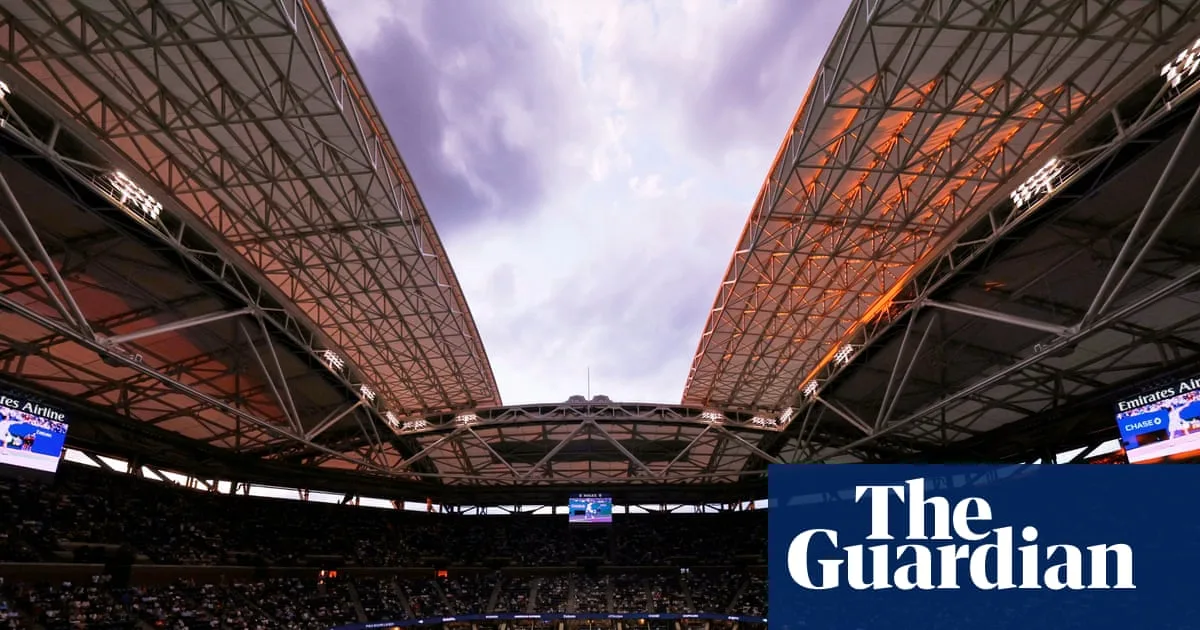
The US Open has expanded its footprint, starting on a Sunday this year to stretch the traditional 14-day format into 15 days, or 20 if counting the mixed doubles event the week before. The prize fund has climbed to $90m (£66.6m), the highest single-event purse in tennis history, while the USTA has approved an $800m renovation of Arthur Ashe Stadium and a $250m Player Performance Center. This arms race in infrastructure aims to keep pace with tournaments like Indian Wells and Madrid.
In today's attention economy, the US Open now seeps across August and September, propped up by celebrity programs, influencer activations, and a new in-house dating show called Game, Set, Matchmaker. The show, featuring eight couples on first dates around the grounds, aims to hijack the Love Island economy and make tennis trend on YouTube. While traditionalists may be scandalised, the tournament now produces as much reality TV as actual sport.