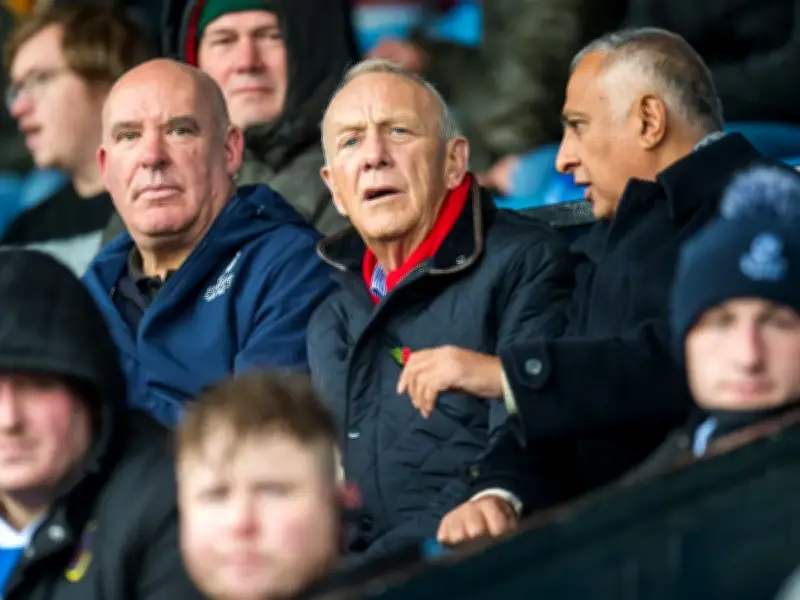
Lyndon Faulkner, the new Welsh Rugby Union chair, made his first public appearance since his appointment on Saturday, meeting journalists in Pontypool before a hurried dash to Cardiff Arms Park as Storm Boelo raged outside. The meeting was originally scheduled for Pontypool, where Faulkner spent much of his playing career, but the match was called off.
A leader rooted in Welsh rugby's history
Faulkner, who will take the helm next month, demonstrated an instinctive understanding of Welsh rugby's cultural significance. When asked about the Pontypool side he played for as a young man, he reeled off names including David Bishop, Eddie Butler and Jeff Squire with the ease of someone recalling old friends. His predecessor, Richard Collier-Keywood, attracted criticism for suggesting supporters might follow players rather than teams, but Faulkner appears to understand that Welsh rugby is about clubs, communities and loyalties passed down through generations.
Addressing the £18m losses
Last week, the WRU published its annual report, revealing losses of £18 million, with chief operating officer Gavin Marshall insisting that the governing body could no longer afford to fund four professional clubs. Put that financial reality to Faulkner and he acknowledged the seriousness of the situation, but there was little sense of a man prepared to accept defeat before the battle had begun.
His instinct was to look for solutions. "Most of the time, people say that's never going to be a success. CDs, DVDs, Xbox," he said, referring to his previous roles that saw him launch some of the most revolutionary things the world of entertainment has seen. "You name it, we always had a team that was a can-do team. That's what I'm hoping we're going to have here. That's the culture I think we want on and off the field. We want a winning culture, whether it's on the field, off the field, and that's something I will do my best to drive."
One voice among twelve
Faulkner was at pains to point out that his appointment was not predicated on signing up to the plan to reduce Welsh rugby to three professional teams. He is there to challenge the board and the executive while also helping them find the right solution. But while the chair may be the most influential voice in the room, he remains only one member of a 12-strong board that voted unanimously in favour of the current proposals.
The WRU is not a dictatorship, and Faulkner cannot simply sweep the existing plan aside. If he believes he has a better solution, he will have to persuade his fellow board members before putting it to a vote. He was under no illusions about his role. "I'm not going to be the person in the office telling everybody what to do," he said. "That's not my role. I'm a non-executive role. I will be calculating what I think they should change, what I think we might improve. And then I'll be arguing my case on why I've come up with that and what I believe they should be doing. And if I do my job properly, they're going to struggle to argue against it."
The challenge ahead
Those hoping his appointment might spell the end of the plan to cut to three teams should not count their chickens just yet. Sentiment, history and a deep understanding of Welsh rugby will not balance the books. Ultimately, the number of professional sides the game can sustain will be dictated by what it can afford.
Yet there is a distinction between understanding the financial arguments and recognising the consequences of acting on them. Every decision taken in the WRU boardroom will reverberate far beyond it, affecting clubs, communities and generations of supporters. Faulkner appears to understand that. Whether he can reconcile the financial demands with the cultural lifeblood of Welsh rugby is another question entirely. That is the challenge awaiting him when he takes office next month.