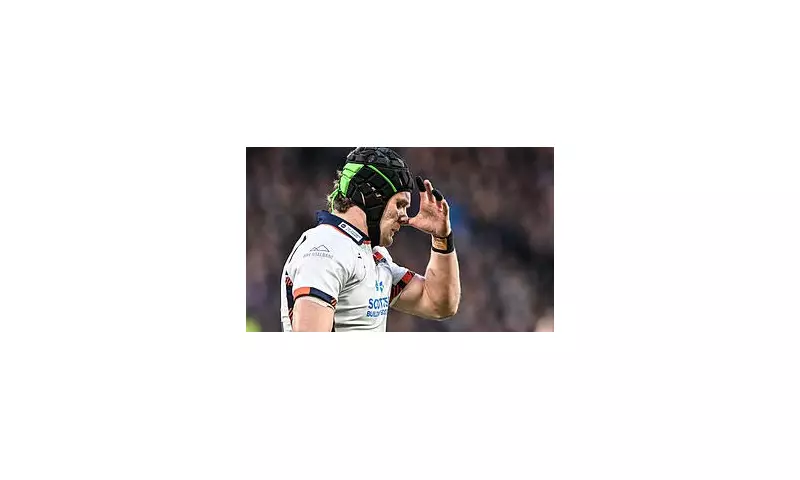
Just two weeks after a statement victory over Toulon in the Champions Cup, Edinburgh Rugby's hopes for a prosperous new era have been starkly checked. A 24-12 defeat to arch-rivals Glasgow Warriors in the first leg of the 1872 Cup at Hampden on Saturday has exposed familiar and deep-rooted problems.
A Recurring Nightmare in Attack
The match laid bare the offensive shortcomings that have plagued Sean Everitt's tenure. Edinburgh were gun-shy and failed to fire any meaningful shots, leaving star wingers Duhan van der Merwe and Darcy Graham as peripheral figures. Neither made a significant line break, and their negligible metres with ball in hand symbolised a systemic failure to utilise world-class talent.
"We'll review the game and see where we get better from an attack point of view," said Everitt post-match. "You have to fire some shots... and it didn't work out for us." This refrain has become all too common for Edinburgh supporters, who are left wondering why improvement is always promised for tomorrow.

Glasgow's Clinical Edge Proves Decisive
Despite a dogged defensive effort in the first half, where they trailed just 7-5 at the break after trading tries through Matt Fagerson and Dylan Richardson, Edinburgh's resistance eventually cracked. Glasgow's superior cutting edge was showcased in a decisive five-minute spell in the second half, with tries from Rory Darge and Gregor Hiddleston.
Although captain Grant Gilchrist scored a late try to offer brief hope, Glasgow sealed a bonus-point victory and a commanding 12-point aggregate lead when replacement hooker Seb Stephen crossed in the final moments. Lock Glen Young acknowledged the disparity: "It was probably the best we've defended all season... but Glasgow were probably more clinical than us."
An Uphill Battle and Questions of Identity
Facing a 12-point deficit heading into next week's second leg at Murrayfield, the challenge for Edinburgh is monumental. "Yeah, 12 points in a derby game is a big deficit to catch up," admitted Everitt, while remaining publicly positive about his side's chances.
The performance, however, raised more profound questions. The team appears to lack a clear attacking identity under Everitt, consistently failing to deploy its considerable firepower effectively. The sight of a frustrated Van der Merwe—who departed late with a minor injury—and a "scunnered" Graham marching off highlighted a glaring disconnect between talent and tactical plan.
This result feels like a reinforcement of the recent order in Scottish rugby, with Glasgow under Franco Smith eyeing United Rugby Championship glory, while Edinburgh remain mired in inconsistency. For Everitt's men, the search for a knockout blow in the games that truly matter continues.