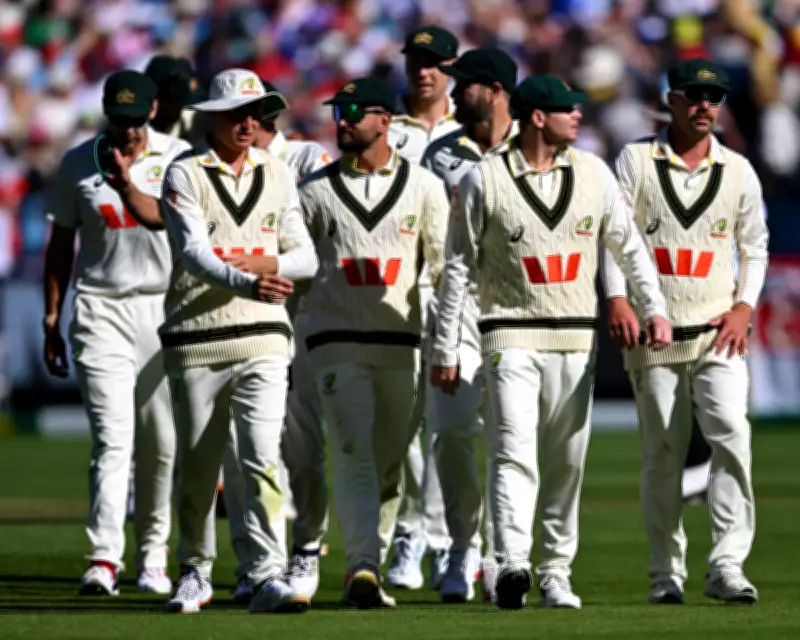
Crammed Test Cricket Schedule Risks Leaving Australian Summers Unrecognisable
A packed cricket schedule this year and into next will see Australia's men play four Tests in the space of four weeks. This intense fixture list compromises the quality of the sport and makes the Test season a contradiction in terms, threatening the traditional fabric of Australian summers.
Test Season Squeezed into a Month
Test season, the centrepiece of Australia's summer, will next time around consist of four matches played over four weekends, not starting until the second week of December and concluding a week into January. Cricket Australia claims to have expanded the schedule to seven Tests, but this includes a tropical excursion against Bangladesh in August and a pink-ball sideshow masquerading as the 150th anniversary Test in March, both distant from the summer mainland.
Unlike most cricket nations, Tests remain Australia's most substantial earner and site of interest. Yet, in a world where sports vie for calendar space, Australian administrators are in voluntary retreat, squeezing the format into shorter series and eroding preparation as an outdated luxury.

Player Welfare and Performance at Risk
Even as recent decades have compressed series, there must be time built into tours for physical recovery. Two or three matches could run back-to-back, but any longer requires gaps of a week or ten days to offset demand. These pauses allow players to rest, audiences to breathe, and storylines to compound, much of cricket's rhythm lying in waiting.
Test cricket every week of a holiday month may appeal to average spectators, but the problem isn't viewer disinterest; it's player capability. If each match goes the distance when Australia host New Zealand at year's end, players could be on the field for 20 out of 31 days, plus travel and Christmas on the road. Inevitably, bowlers will rotate out, increasing injury risk and mental burnout. Even batters' performance may suffer from prolonged field time.
Administrative Priorities Under Scrutiny
Given players' efforts to stay fit, like Mitchell Starc forgoing IPL riches, this schedule is indefensible, treating their ambition as secondary. Cricket Australia cites force majeure due to New Zealand hosting India before the Australia series and Australia touring India after, but it's really about accommodating the expanding Indian Premier League and lucrative five-Test series against India.
No board is a victim here; Cricket Australia is complicit in this squeeze. This week, state associations and the federal body discuss selling Big Bash League tranches to foreign investors, likely IPL conglomerates, promising vast sums. As a tax-exempt body serving the public good, not a profit-seeking business, will these investors care about player development or Test duties?
Future Compromises Loom
Cramming four Tests into four weeks unavoidably compromises sport quality. If cricket heads are swayed by cash, this will be the first of many compromises, leaving Australian summers unrecognisable and making Test season a contradiction in terms. The integrity of the game hangs in the balance as financial interests overshadow tradition.