Milan's Winter Olympics 2026: A Spectacle of Gentrification and Discontent
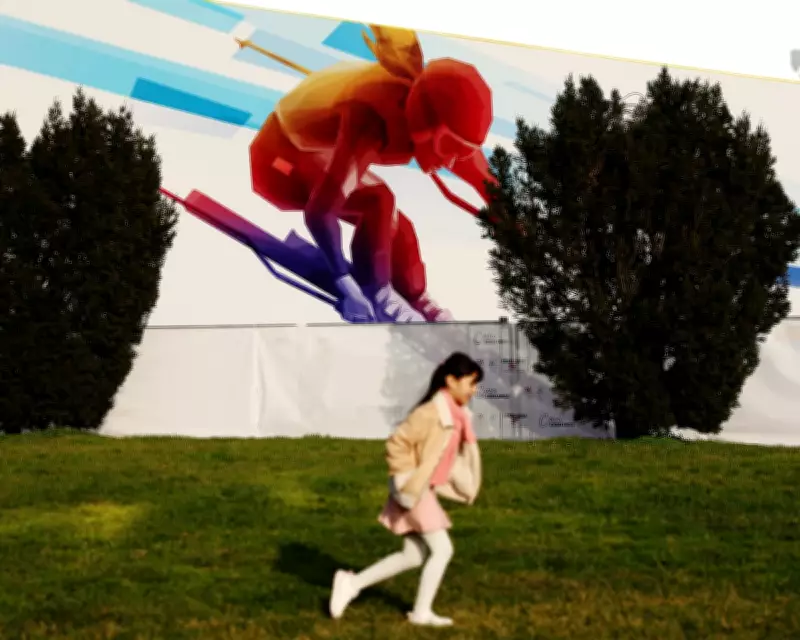
A child dashes past artwork depicting an alpine ski athlete at Sforzesco Castle on 1 February 2026, a fleeting moment of innocence amidst a city transformed. Since winning the bid in 2019, Milan has morphed from a vibrant cultural hub into what critics describe as an open-air shopping mall, swamped in construction dust and corporate messaging. The Olympic takeover has appropriated public spaces like Piazza del Duomo with gaudy pavilions, staffed by dancing mascots, turning the city into a bizarre spectacle far removed from its architectural grandeur.
Opening Ceremony Disappointment and Public Backlash
The opening ceremony at San Siro stadium, slated for demolition, initially sparked excitement but quickly gave way to melancholy. Viewers witnessed a parade of bobble-headed puppets of composers like Rossini dancing to Italo disco, raising questions about the worth of years of disruption. Creative director Marco Balich aimed to blend Alpine imagery with Milanese modernity, but the result felt like a generic stitching of stereotypes, failing to showcase Italy's multicultural realities. Even rapper Ghali appeared unenthused, a lonely representative of a diverse Milan the organisers seemed reluctant to engage with.
Protests have erupted in the streets, with thousands demonstrating against issues ranging from international politics to the commodification of city spaces. Activists compare the 2026 Games to Milan's 2015 Expo, which promised urban salvation but delivered public waste and gentrification. In Porta Romana, home to the Olympic Village, property prices have soared to triple the national average, pricing out workers and undermining the city's ethos of social mobility.

Contrast with Turin's 2006 Legacy and Mountain Communities' Plight
Italy has proven it can host better Games, as seen in Turin's 2006 Winter Olympics. There, efforts wove the competition into the cultural fabric, with gallery openings, public debates, and long-term infrastructure like a driverless metro. In contrast, Milan's event feels like a passing trade fair, lacking genuine intellectual hospitality. Meanwhile, in the Alpine regions hosting outdoor events, residents report feeling sidelined. Cortina is being hollowed out for luxury tourism, forcing family-run businesses to compete with high-end establishments that will sit empty most of the year.
In Bormio, a small village hosting skiing events, the community endures a vast security mission with snipers on ridges and road checkpoints treating locals like suspects. Worst of all, the Ladin people, an ancient ethnic minority in the Dolomites, have been granted no real representation. Ladin mayors accuse organisers of cutting them out and rebranding their heritage without consent, with some leaders using the Games to demand semi-autonomous status.
Climate Hypocrisy and Lost Opportunities
The Games' extractive logic is starkly evident in the mountains, where construction has felled ancient larch forests for a €120m bobsled track. At a Cultural Olympiad exhibit in Milan, White Out explored snow disappearance in the Dolomites due to climate crisis, yet it was sponsored by fossil fuel giants like ENI, highlighting a surreal disconnect. The Winter Olympics should celebrate humanity, culture, and sport, but Italy has settled for a glitzy performance that speaks to no real public.
Milan, one of Europe's most culturally exciting cities, has had scant chance to share its genuine talent, while the Dolomites have been reduced to a luxury simulacrum at the expense of rural communities. As athletes dazzle with skill, the organisers' exploitation of hospitality tarnishes the occasion, leaving a legacy of discontent rather than celebration.