Team GB's Skeleton Success: How Investment Fuels Winter Olympic Dominance
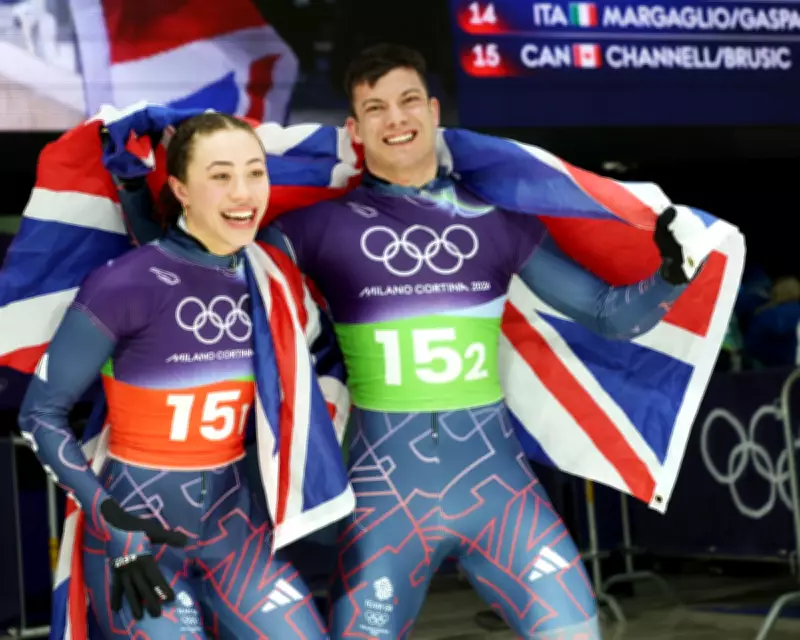
Matt Weston and Tabitha Stoecker have recently added to Great Britain's impressive medal haul in skeleton, securing the nation's 10th and 11th Olympic medals in this thrilling winter sport. This achievement continues a legacy that dates back to 1928, when the 11th Earl of Northesk won bronze, establishing a tradition of British excellence. Remarkably, skeleton is the only Winter Olympic sport where Britain leads the all-time medal table, a testament to sustained success over nearly a century.
Historical Roots and Modern Evolution
Skeleton, despite its current association with icy tracks, is actually a British invention, though the country lacks dedicated facilities or sufficient snow for training. The sport originated with Victorian adventurers who embraced it on the natural ice track in St Moritz during the Grand Tour era. In the early 20th century, with British road speed limits capped at 20mph, enthusiasts sought the adrenaline rush of the legendary Cresta Run in Switzerland.
The Cresta Run was the world's sole skeleton venue for decades, leading to its inclusion in the Olympic programme when Games were hosted in St Moritz. The International Olympic Committee made skeleton a regular event from the 2002 Salt Lake City Games onwards. At that time, the small British federation secured crucial funding from UK Sport, enabling the establishment of a training base and the hiring of Austrian former world champion Andi Schmid as head coach.

Funding and Infrastructure: The Backbone of Success
Significant investment has been pivotal to Team GB's skeleton achievements. In the most recent Olympic cycle, UK Sport allocated £5.8 million to the programme. This funding has facilitated access to world-class expertise, including the services of Latvian six-time world champion Martins Dukurs and his proprietary sled technology. Additionally, it has supported the development of cutting-edge sleds, suits, and training tools such as flight simulators and specialised equipment described by athletes as "the secret stuff".
The financial backing allows Great Britain to operate a centralised programme that continues through the summer, unlike many other nations. This approach has enabled the construction of a 140-metre concrete practice track at the University of Bath and the implementation of a Talent ID scheme. Historically, British sliding sports relied on connections between the original Cresta set and the armed forces for athletes, but the programme is now open to anyone fit and willing to participate.
Talent Identification and Athlete Development
The success of athletes like Amy Williams, Lizzy Yarnold, Shelley Rudman, Laura Deas, Dom Parsons, Matt Weston, and Tabitha Stoecker highlights the effectiveness of Britain's talent identification efforts. Skeleton is particularly suited to late entry, as it requires three key attributes: explosive launching ability, extraordinary proprioception (the body's unconscious sense of movement), and financial resources.
Weston developed his proprioception through taekwondo, while Stoecker honed hers in circus school, demonstrating the diverse backgrounds of modern skeleton athletes. However, the financial aspect remains crucial, with the sport costing over $50,000 annually to practise in the United States, often requiring athletes to crowdfund their participation.
Global Context and Competitive Challenges
While Great Britain and Germany benefit from substantial budgets, many other nations struggle with limited funding. Some competitors in Cortina are using old sleds held together with gaffer tape, illustrating the stark disparities in resources. Funding in these sports is often performance-related, creating a cyclical challenge: poorer results lead to reduced funding, which in turn hampers future performance.
Despite these challenges, the British programme's investment has yielded remarkable results. The recent surge of interest, with 3,500 people signing up for the Talent ID programme in just three days, suggests a bright future. As long as funding continues, there is potential for more Olympic champions to emerge from this pool of enthusiastic volunteers.

Team GB's skeleton success story is a compelling blend of historical legacy, strategic investment, and innovative talent development. It showcases how a nation without natural facilities can dominate a winter sport through determination, funding, and a commitment to excellence.