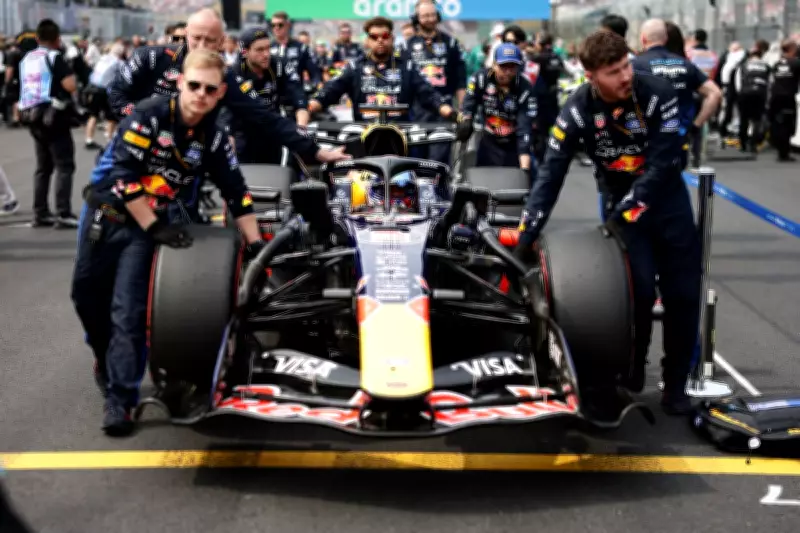
F1 Enacts Immediate Rule Changes for Miami GP After Verstappen Pressure
Formula One's governing body has agreed to implement immediate and significant changes to the sport's technical regulations, with these adjustments set to debut at the upcoming Miami Grand Prix on 3 May. The decision follows intense pressure from drivers, most notably four-time world champion Max Verstappen, who has been vocal about the need for regulatory updates to enhance both competition and safety.
Key Technical Modifications Announced
The primary modifications focus on the energy recovery systems and power unit outputs, which are expected to alter race dynamics considerably. Specifically, the energy harvesting limit will be reduced from eight to seven megajoules, a move designed to balance performance with sustainability concerns. Concurrently, the hybrid power unit's output will see a substantial increase, rising from 250 kilowatts to 350 kilowatts. This enhancement allows drivers to push their cars harder for longer periods, potentially leading to more aggressive racing strategies and overtaking opportunities.
Safety-Driven Adjustments Following High-Profile Incidents
Safety considerations have played a pivotal role in prompting these changes, particularly in the wake of British driver Ollie Bearman's alarming 191mph crash during the Japanese Grand Prix. To mitigate risks, the boost button functionality will now be capped at 150 kilowatts, ensuring more controlled acceleration. Additionally, the MGU-K (Motor Generator Unit - Kinetic) settings have been refined: it will operate at 350 kilowatts in straightline zones to maximize speed, but will be dialled back to 250 kilowatts in non-straightline sections, such as corners, to improve vehicle stability and driver control.

Ongoing Discussions and Future Implications
While these initial changes mark a proactive step, F1 chiefs have acknowledged that they may not fully address all driver concerns. Further discussions are anticipated after the Miami race, with stakeholders likely to review performance data and safety outcomes. The regulatory adjustments reflect a broader trend in motorsport towards balancing technological innovation with athlete welfare, and their impact on the championship standings could be significant as teams adapt to the new parameters.