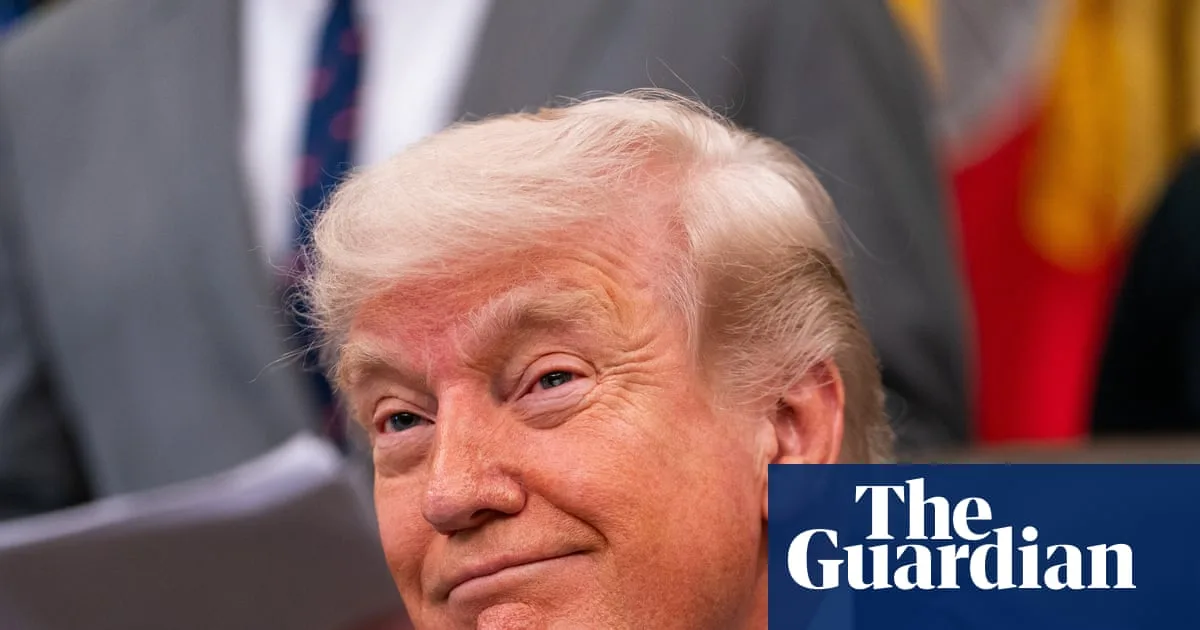
Donald Trump’s contradictory statements and confrontational style have become a significant obstacle to restarting peace talks between the United States and Iran, according to analysts. While the continuation of the US naval blockade of Iranian ports has been a sticking point, Trump’s blend of threats and hubristic commentary has further complicated efforts under Pakistan’s mediation in Islamabad.
Iran’s chief negotiator, Mohammad Bagher Ghalibaf, warned that by imposing a siege and violating a ceasefire, Trump seeks to turn the negotiations into a table of surrender. “We do not accept negotiations under the shadow of threats,” Ghalibaf said, adding that Iran has prepared to reveal new cards on the battlefield. Iran’s ambassador to Pakistan, Reza Amiri Moghadam, echoed this sentiment, referencing Jane Austen: “It’s a truth universally acknowledged that a single country in possession of a large civilisation, will not negotiate under threat and force.”
Trump’s impatience was evident when he responded to an Iranian offer to lift restrictions in the Strait of Hormuz by hailing Iran’s defeat instead of reciprocating by lifting the US blockade. Later, in a series of interviews, Trump claimed Iran had agreed to all terms, only for Tehran to close the strait the following day. Iran’s embassy in Ghana pointed out: “In the past 24 hours the president of the United States has: — Thanked Iran for closure of Hormuz; threatened Iran; blamed China; praised China; declared the blockade a success; confirmed Iran restocked through the blockade; promised a deal with Iran; promised bombs will fall on Iran.”
Iran’s deputy foreign minister, Saeed Khatibzadeh, described Trump as someone who “talks too much.” On Tuesday, Trump made contradictory remarks about imminent bombing while also claiming Iranians would attend talks. He praised Iran as a wonderful nation but then described its leaders as “bloodthirsty” and “tough people in a not nice way.”
Analysts suggest that while Trump’s erratic comments may aim to scramble Iran’s diplomatic radar, they have instead made Tehran more wary and determined to secure a watertight deal with a clear enforcement mechanism. The Iranian leadership must also reassure its domestic constituency against perceptions of humiliation or desperation, further complicating negotiations.