F1 2026 Rules Revolution: Overtake Mode, Active Aero, and New Power Units Explained
The 2026 Formula 1 season, commencing in March, heralds the most significant overhaul of rules and regulations in at least a decade. As the final pre-season test unfolds this week, enthusiasts are eagerly absorbing the details of these transformative changes, which promise to reshape the competitive landscape of the sport.
New Mechanisms for Enhanced Racing
In a bid to simplify terminology and clarify new systems, F1 has introduced several key mechanisms. Overtake mode will replace the Drag Reduction System (DRS), which is being phased out after 15 years. This mode deploys extra power to assist overtaking for any car within one second of the vehicle ahead, with a single detection point on the circuit. Drivers can utilise this power all at once or distribute it over an entire lap.
Boost mode is an energy deployment tool from the Energy Recovery System (ERS), providing maximum power from the engine and battery at the push of a button. It can be employed anywhere on track, whether for offensive overtaking or defensive manoeuvres.

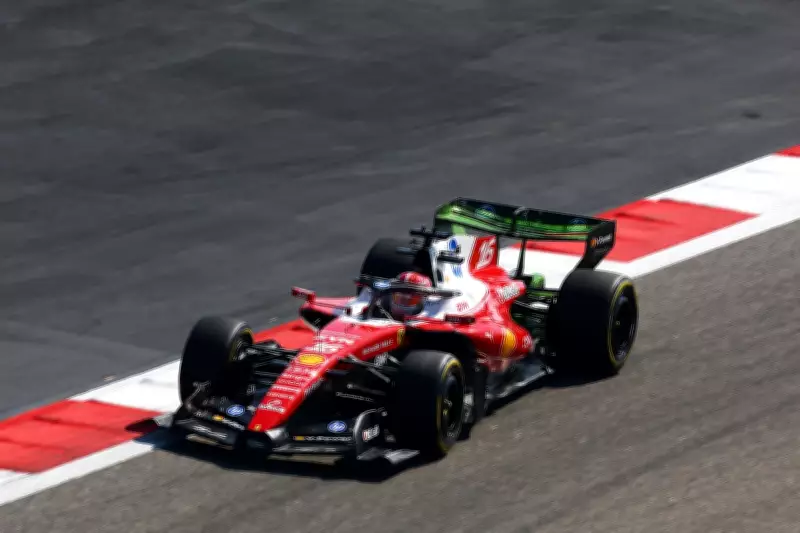
Active aero marks a first for F1, featuring dynamically adjustable angles for front and rear wings that change automatically based on whether the car is on a straight or in a corner. The wings open to reduce drag on straights (X mode) and close to increase downforce in corners (Z mode), optimising grip and power usage.
Technical Regulation Changes
The scale of modifications for 2026 is substantial, potentially representing the biggest shift in the sport's history. Key technical changes include:
- Chassis and aerodynamics: Cars will be smaller and lighter, with a reduced wheelbase, width, and minimum weight. Overall downforce is cut by 15-30%, and drag is reduced by 40%.
- Tyres: While 18-inch wheels remain, front tyres are 25mm narrower and rears 30mm narrower to minimise drag and weight.
- Power unit: A balanced 50/50 split between internal combustion and electric power is introduced, with the MGU-H removed and MGU-K power significantly increased. Cars will run on advanced sustainable fuel as part of F1's net-zero by 2030 target.
These adjustments aim to make cars more agile and responsive, enhancing racing on tight circuits. However, concerns exist that drivers may need to 'lift and coast' on straights to recharge batteries, potentially impacting performance.
Impact on Teams and Racing Dynamics
New engine and chassis regulations could disrupt the pecking order, following McLaren's championship wins in 2025. Teams like Aston Martin and Williams have long targeted 2026 for potential ascension, while newcomers Audi and Cadillac eye strong debuts when the season kicks off in Australia on 8 March.
Overall, the 2026 rules revolution focuses on sustainability, simplified systems, and improved overtaking, setting the stage for an exciting new era in Formula 1.