Arsenal manager Mikel Arteta is facing a critical test of his squad management as a growing injury list threatens to derail the club's ambitions on multiple fronts. The Gunners are entering a punishing December schedule, and the Spanish coach must now prove he has learned from the costly mistakes of the previous campaign.
Defensive Blow as Key Players Sidelined
The heart of Arsenal's defence has been hit hard. William Saliba suffered a training ground knock just 24 hours before the Chelsea match, though the club hopes his lay-off will be short. He joins fellow centre-back Gabriel on the treatment table, who picked up an injury while on international duty with Brazil.
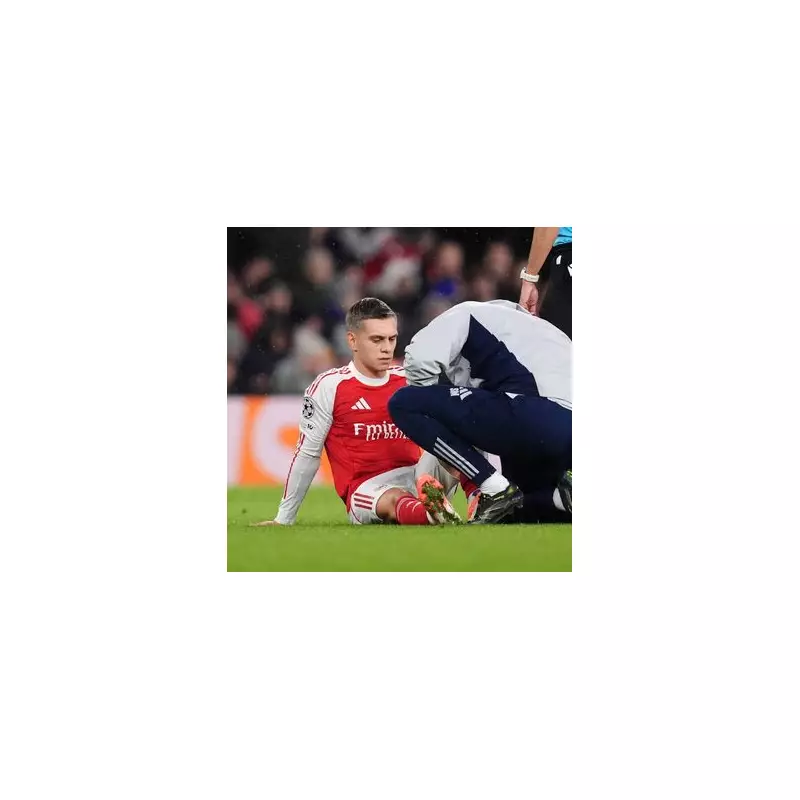
This defensive crisis comes at a time when the team can ill afford it. Further up the pitch, Kai Havertz remains absent, though he could return to group training soon. Leandro Trossard is also out with a calf problem sustained in the Champions League clash against Bayern Munich.

Returning Stars Offer a Glimmer of Hope
There is some positive news to balance the setbacks. Captain Martin Odegaard and striker Viktor Gyokeres made their returns from the bench against Chelsea and appeared sharp. Gabriel Jesus has also returned to full fitness, scoring in a behind-closed-doors friendly and reportedly looking "super sharp" and eager to contribute.
Their comebacks are vital ahead of a relentless run of games. Arsenal face Brentford on Wednesday, followed by a Saturday lunchtime kick-off against Aston Villa, before the demands of the Champions League and Carabao Cup intensify the fixture congestion.
The Imperative to Rotate and Trust the Squad
The core challenge for Arteta is clear: he must utilise the depth of a squad widely considered among the best in the Premier League. It is impossible to field the same starting eleven from Chelsea to Brentford to Villa. The manager, who naturally prefers a settled side, must now demonstrate faith in players who may lack rhythm due to limited minutes.
This period is a direct test of last summer's transfer strategy, which was designed to avoid a repeat of the "shocking and crippling injury list" that destroyed Arsenal's season a year ago. Lessons must be applied, particularly in managing training loads to prevent issues like the one suffered by Saliba and to guard against fatigue.
The case of Bukayo Saka last season serves as a stark warning; his heavy workload was a contributing factor to a serious hamstring injury.
While the injury list is concerning, context is important. According to Premier League injury data, Arsenal currently have four players sidelined. Eight clubs have more, suggesting the situation, while problematic, is not uniquely severe. However, given their upcoming schedule, proactive management is non-negotiable.
The squad's depth will be scrutinised. New signings like Piero Hincapie and Cristhian Mosquera must step up in defence, while others such as Noni Madueke and Gabriel Martinelli are poised for increased responsibility. For young talents like Ethan Nwaneri and Myles Lewis-Skelly, finding consistency amid sporadic appearances is the challenge.
The next month will reveal whether Arsenal's investment and planning can withstand the rigours of a title race. For Mikel Arteta, it is a time to rotate, to trust, and to ensure history does not repeat itself.