World Cup Train Ticket Controversy Sparks Outrage Among Fans and Politicians
Soccer enthusiasts and political leaders are expressing intense anger following revelations that train fares for journeys to MetLife Stadium during this summer's World Cup could skyrocket from a typical $12.90 to over $100 for a return ticket. FIFA, the global governing body of soccer, faces severe accusations of orchestrating a 'shakedown' in light of this news, which adds to existing worldwide discontent over exorbitant ticket pricing.
Staggering Price Hike for Essential Transportation
According to reports from The Athletic, New Jersey's NJ Transit is considering charging more than $100 for a round-trip ticket between New York's Penn Station and MetLife Stadium, which will host eight World Cup matches, including the highly anticipated final on July 19. This represents an astonishing 775 percent increase compared to the standard $12.90 fare charged for last year's Club World Cup final over the same 18-mile route.
Compounding the issue, there are no planned discounts for seniors, children, or disabled passengers, making attendance even more financially burdensome for diverse groups of fans. The timing is particularly critical as parking availability around the stadium will be significantly reduced during the tournament, heightening reliance on train services.

Political Backlash and Calls for FIFA Accountability
New Jersey Governor Mikie Sherrill has firmly stated that the costs associated with hosting World Cup games will not fall on ordinary taxpayers or daily commuters. She emphasized, "One of the key things I wanted to make sure is that we are not going to be paying for moving the people who are viewing the World Cup on the back of New Jersey taxpayers and New Jersey commuters."
However, the proposed fare increase has drawn sharp criticism from prominent figures like New York Governor Kathy Hochul and Democratic Senator Chuck Schumer. Senator Schumer, who serves as the Senate minority leader, condemned the situation, noting that FIFA is projected to generate nearly $11 billion in revenue from the World Cup through tickets, broadcasting rights, and concessions.
In a strongly worded statement, Schumer argued, "NJ Transit may be forced to charge fans an eye-popping $100-plus for a train ride that normally costs $13, because FIFA's hosting agreement dumps added transportation and security costs onto states and cities while FIFA keeps the revenue... That is not a partnership, that is a shakedown because World Cup tickets already cost fans a fortune." He has publicly called on FIFA to cover transportation expenses for host cities and states.
Governor Hochul echoed these sentiments on social media, writing, "The World Cup should be as affordable and accessible as possible. Charging over $100 for a short train ride sounds awfully high to me."
FIFA's Financial Gains Versus Host City Burdens
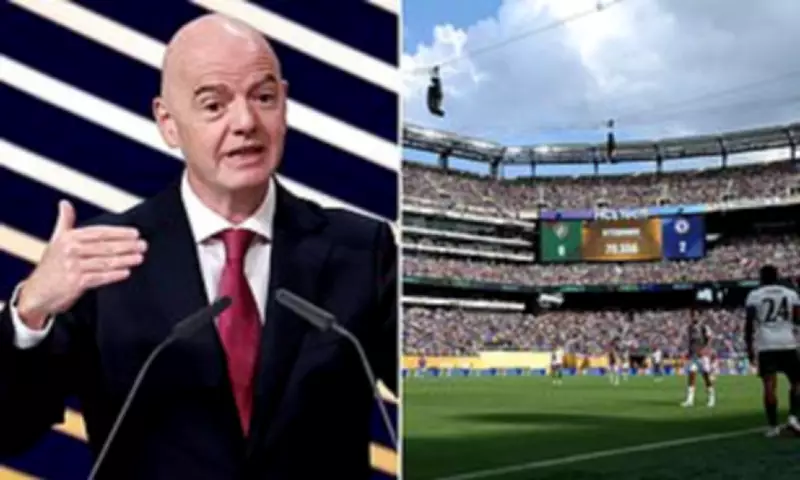
The controversy highlights a broader imbalance in World Cup economics. FIFA President Gianni Infantino has estimated that the organization will reap approximately $11 billion from this summer's event, encompassing income from tickets, broadcast deals, sponsorships, concessions, and official parking. In contrast, host cities are contractually obligated to fund safety, security, protection measures, and public transportation costs, placing significant financial strain on local infrastructures.
An NJ Transit spokesperson addressed the ongoing speculation, stating, "The ticket prices for match day travel have not been finalized and any reference to cost would be unconfirmed speculation." They reiterated Governor Sherrill's assurance that regular commuters would not bear the brunt of these costs for the eight matches.
Despite these assurances, the potential fare hike continues to fuel public outrage, with many viewing it as an unfair burden on fans already grappling with high ticket prices. The situation underscores growing tensions between FIFA's lucrative operations and the practical challenges faced by host communities, setting the stage for further debates as the World Cup approaches.