Wolves Relegated After Self-Inflicted Premier League Collapse

Wolves Relegated After Self-Inflicted Premier League Collapse

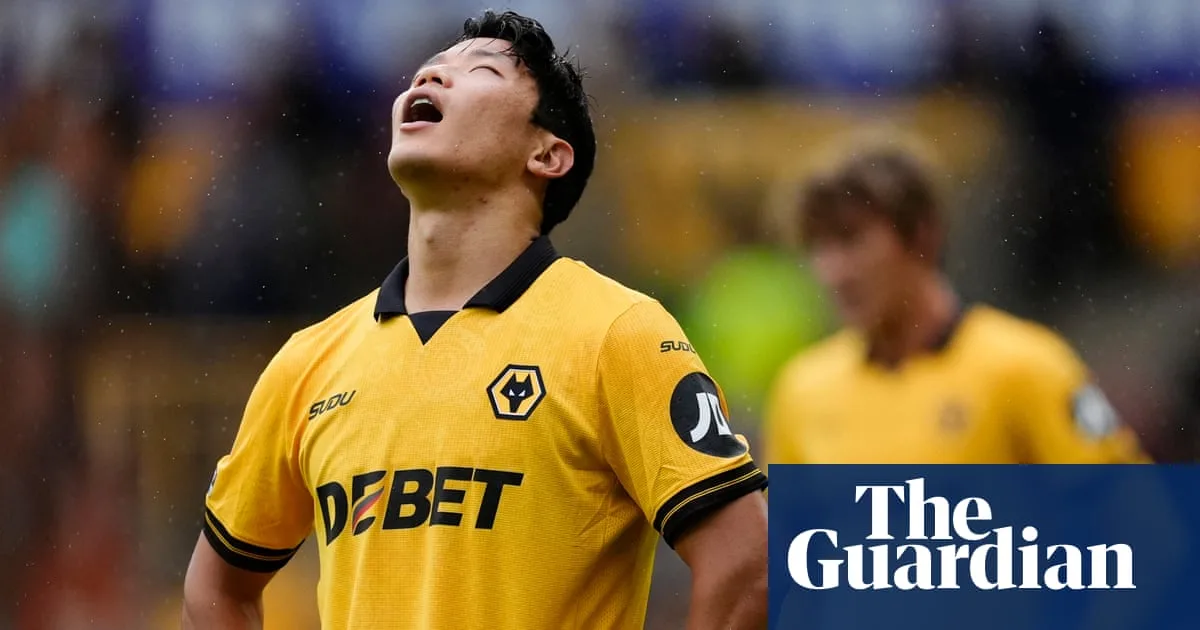
Wolverhampton Wanderers have been officially relegated from the Premier League, bringing a miserable conclusion to their eight-year spell in English football's top division. The club's demotion to the Championship was confirmed following a feeble 3-0 defeat at Leeds United, combined with West Ham's goalless draw against Crystal Palace.

A Predictable and Avoidable Downfall

This relegation represents an entirely avoidable but utterly predictable conclusion to a story that began with ambitious promises to challenge Manchester City and ended with a season-long struggle against the drop. While Wolves won't bear the tag of 'worst ever Premier League team,' their fight against relegation could scarcely be described as a genuine battle.

The problems at Molineux extend far beyond the dugout, despite manager Rob Edwards being forced to front up for the club's failures. Edwards has inspired marginally better results than his predecessor Vitor Pereira, who left Wolves dangerously close to the point of no return before his dismissal.

Wide Pickt banner — collaborative shopping lists app for Telegram, phone mockup with grocery list

Managed Decline Under Fosun Ownership

From ambitious upstarts following their 2018 promotion, Wolves have experienced a period of managed decline under owners Fosun. After achieving back-to-back seventh-place finishes, the club has slowly slid down the Premier League table, relying on three worse teams to bail them out in previous seasons.

The playing squad has been systematically dismantled summer after summer, with quality departing through the exit door never adequately replaced by incoming signings, despite significant financial investment. After years of circling the relegation drain, Wolves have finally and deservedly dropped through it.

Managerial Turmoil and Broken Promises

Since Nuno Espirito Santo's departure in 2021, Wolves have cycled through five permanent managers, each facing similar challenges. Nuno, who engineered the club's rise from Championship strugglers to European quarter-finalists, was the first to publicly express his need for reinforcements, believing he had taken his squad as far as possible.

His successor Bruno Lage actually had Wolves positioned for European qualification during his first season when he requested strengthening. Instead, he received Hayao Kawabe, Chiquinho, and Jeong-Sang bin, while Adama Traore was inexplicably allowed to join Barcelona on a loan deal with no obligation to become permanent.

The Lopetegui Saga and Player Exodus

The managerial search following Lage's dismissal exposed naivety at boardroom level. Julen Lopetegui was initially targeted but decided to remain in Spain due to family reasons, leaving Wolves without a Plan B for over a month before he eventually agreed to join.

Lopetegui's arrival should have marked a new chapter, as he masterminded a remarkable escape from relegation that once seemed impossible. However, his frustration soon bubbled over as he felt promises were broken, ambitions curbed, and plans changed, ultimately leading to his public criticism and departure.

Gary O'Neil arrived to find a squad decimated by the departures of Ruben Neves, Joao Moutinho, Conor Coady, Nathan Collins, Raul Jimenez, and Matheus Nunes. Despite a positive first season, O'Neil then lost captain Max Kilman, Player of the Season Pedro Neto, and Daniel Podence.

Statistical Failure and Fan Discontent

The statistical evidence of Wolves' decline is stark. The team managed just 24 league goals in 33 games this season, with only 17 scored in 16 home matches. Supporters have faced season ticket price increases 'benchmarked' against rivals operating at completely different competitive levels.

While relegation was officially confirmed in April, it had been pencilled in since well before Christmas, coming as no shock to observers. The trepidation now turns to what comes next, with Stoke City's example serving as a cautionary tale - relegated in 2018 after ten Premier League seasons, they have yet to achieve a top-half Championship finish eight seasons later.

Pickt after-article banner — collaborative shopping lists app with family illustration

A Necessary Reset for the Future

Wolves' decision-makers insist this won't be their fate, pointing to boardroom changes suggesting lessons have been learned, though understandably there remains a lack of trust among supporters. This relegation must represent a reset for Wolves - a chapter in a longer story rather than a definitive end.

For now, the plot moves to the Championship, where Wolves must demonstrate they're prepared for the challenges ahead. The club that once promised to challenge Manchester City now faces the reality of rebuilding in England's second tier, with their Premier League adventure ending in a mess largely of their own making.