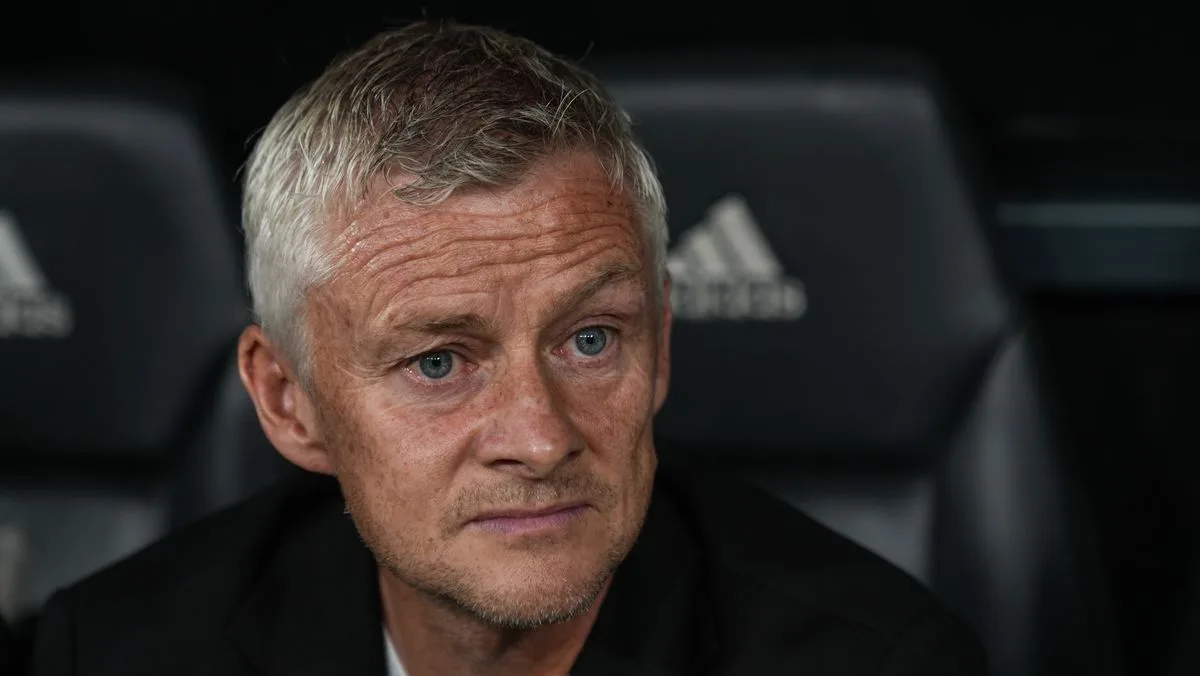
Ole Gunnar Solskjaer is set to hold talks with Manchester United chiefs over a potential return to Old Trafford as interim manager until the end of the season. The Norwegian previously filled the role in 2018 following Jose Mourinho's departure, and could now replace Ruben Amorim, who was dismissed after a difficult campaign.
One pressing issue will be his tactical approach. Solskjaer favoured a 4-2-3-1 formation during his first spell, which brought immediate success with 14 wins in his first 19 games. This would mark a significant shift from Amorim's preferred 3-4-3 system, though caretaker boss Darren Fletcher recently used a 4-2-3-1 in the draw at Burnley. Tactical flexibility may also please football director Jason Wilcox, who reportedly clashed with Amorim over his rigidity.
Another concern is the form of striker Benjamin Sesko, who has scored just four goals since his £74m move from RB Leipzig. Solskjaer, having led United's attack previously, could offer the guidance needed to unlock the Slovenian's potential.
The question of a longer-term role may also arise. Solskjaer impressed enough in his interim spell to be given the job permanently in 2019, but his second stint ended in November 2021. Whether he would accept a temporary position again, or push for a more permanent arrangement, remains to be seen.
Transfer activity is unlikely to be extensive for an interim manager, a source of frustration for Amorim. Solskjaer would have to work with the existing squad, which has gaps in midfield and defence despite heavy investment in attack.
Finally, Solskjaer has previously voiced concerns about player attitudes, saying some players were 'not as good as their own perception of themselves'. Such issues may again need addressing if he takes charge.