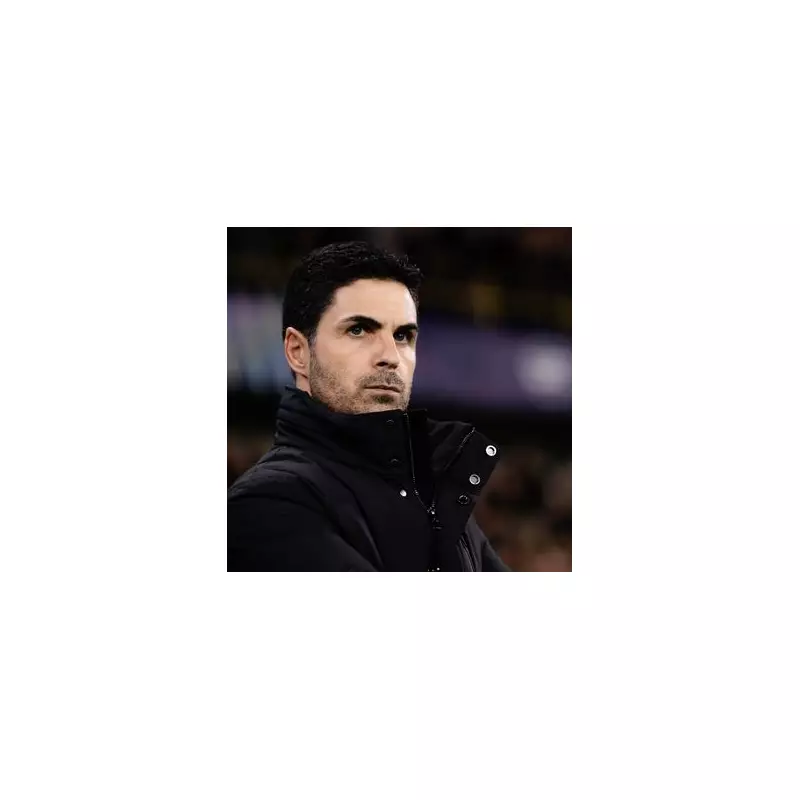
Six years ago, Mikel Arteta walked into a club adrift. As he prepares to return to Everton this weekend, the scene could not be more different. The Spaniard now leads a team sitting top of the Premier League, a stark contrast to the rudderless, mid-table side he inherited on December 20, 2019.
From Chaos to Culture: Rebuilding a Giant
Arteta admits he took over Arsenal at a "difficult stage of history." The club was reeling from Unai Emery's departure, with a disillusioned fanbase, a divided boardroom, and a dressing room plagued by in-fighting and underperforming stars. The line-up in his first game, a 0-0 draw at Goodison Park, featured a back four including Calum Chambers, David Luiz, Ainsley Maitland-Niles and a young Bukayo Saka at left-back – a testament to how far the squad has come.
His early FA Cup win in 2020 provided crucial breathing space during turbulent initial seasons. A low point, like the home defeat to Burnley in December 2020, might have proven fatal with a full, angry crowd. Instead, the club's steadfast support for his long-term project became a masterclass in patience.
The Arteta Method: Standards, Strategy and Synergy
The core of Arteta's revolution has been a relentless focus on standards and reconnection. His brutal but principled decision to exile Pierre-Emerick Aubameyang for repeated lateness sent a powerful message: no individual is bigger than the club's culture.
Off the pitch, he has masterfully rebuilt the bond with supporters. Simple changes, like removing the pull-out tunnel at the Emirates Stadium, made the ground more intimidating for visitors and brought fans closer to the action. The adoption of "North London Forever" as a pre-match anthem has united the majority of the crowd.
On-field progress has been monumental. Arsenal have recorded historic points tallies, with 89 points in the 2023/24 season – just one short of the legendary 'Invincibles' and the second-highest in club history. Yet, they have been denied the title by the unprecedented dominance of Pep Guardiola's Manchester City, finishing second three times.
Refining the Edge: Discipline and Recruitment
Arteta has also evolved personally. Once criticised for a perceived arrogance, he is now described as more empathetic with players. His touchline demeanour has calmed, reflected in a dramatic disciplinary improvement: from six Premier League red cards last season to none so far this campaign.
The club's hierarchy has backed him with bold, ambitious recruitment, breaking the bank for signings like Viktor Gyokeres and Martin Zubimendi, followed by late moves for Eberechi Eze and Piero Hincapie. This investment raises expectations, with a major trophy now a clear demand.
Challenges remain, particularly in managing a relentless injury list and squad workload, as seen with Ben White playing four times in 11 days post-injury. Mastering this is the final hurdle.
After 21 years – the club's longest post-war title drought – the pressure is immense. But Arteta's six-year rollercoaster has transformed every facet of Arsenal. If he can complete the final step, his place among the club's greatest-ever managers will be assured.