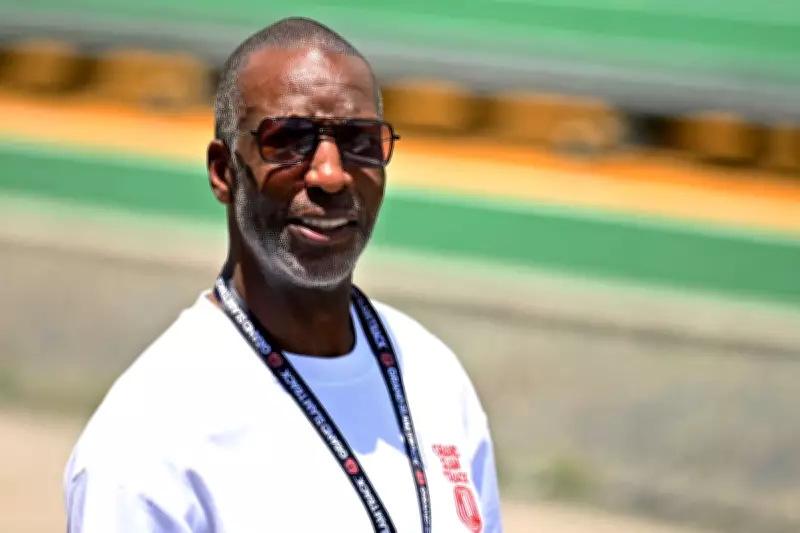
Michael Johnson, the former Olympic champion, has agreed to return a $500,000 payment that was allegedly received "secretly" just before the collapse of Grand Slam Track (GST), according to a new proposed deal between the league and its creditors. This development follows a legal filing in a US court that claimed Johnson took out the funds eight days prior to GST filing for bankruptcy, while athletes were still owed millions in unpaid fees.
Disputed Payment and Reimbursement Claims
A GST spokesperson confirmed the arrangement, stating: "While Mr Johnson has been clear that the $500k was a reimbursement and not a payment, to avoid disruption and continue moving forward, he and Winners Alliance have agreed to fund the $500k to the plan so that all creditors can benefit and receive a greater distribution in connection with the company's reorganisation and efforts to resurrect the league." The spokesperson added that previous claims about the payment were "unfounded and false."
In response, a spokesperson for Johnson asserted: "Michael has defended against the claim, including that this was a partial reimbursement of over $2 million in expenses advanced by Michael for the benefit of the athletes." This highlights the ongoing dispute over the nature of the transaction, with Johnson maintaining it was a legitimate reimbursement rather than an improper payment.

Grand Slam Track's Financial Collapse
The inaugural season of GST lasted only three events—held in Kingston, Miami, and Philadelphia—before the fourth meet in Los Angeles was cancelled due to financial insolvency. The league filed for bankruptcy in December after a key sponsor, Eldridge Industries, withdrew major funding. This left GST owing significant sums to several top athletes, including Britain's Josh Kerr, primarily in prize money and appearance fees.
Winners Alliance, GST's primary funder, is reportedly owed more than $15 million, underscoring the scale of the financial turmoil. The collapse has sparked frustration among athletes, with Kerr expressing his concerns publicly.
Athlete Reactions and Impact
Speaking at the World Indoor Athletics Championships earlier this month, Josh Kerr said: "Of course I'm frustrated. I'm owed a lot of money, so in any business anyone's going to be frustrated. I don't particularly know right now where to push those frustrations and where they should sit. I've had conversations with Michael, I've had information given to me by my agents on this stuff. I don't think these are bad people. I think this is a horrible situation." His comments reflect the broader challenges faced by athletes caught in the league's financial downfall.
Meanwhile, Michael Johnson will not be part of BBC Sport's athletics coverage this year. His spokesperson clarified: "Michael wishes to clarify that it was his decision not to continue with the BBC after the Paris 2024 Games. With his contract up for renewal after the Olympics, and Grand Slam Track launching soon after, he chose to focus fully on the project. The BBC understood his decision, and he remains grateful for their support and his longstanding relationship with the broadcaster." This move indicates Johnson's prioritisation of his involvement with GST amid the ongoing restructuring efforts.
Future Prospects and Creditor Deal
The agreement for Johnson to return the $500,000 is seen as a step towards resolving GST's financial issues and benefiting creditors. The league is currently undergoing reorganisation, with hopes to resurrect its operations. This deal aims to ensure a fairer distribution of assets to those owed money, including athletes and investors.
As the situation unfolds, stakeholders are closely monitoring the progress of GST's revival plans and the resolution of outstanding debts. The case highlights the complexities of sports financing and the impact of league collapses on athletes' livelihoods.