Manchester United's Transfer Clause Strategy: From Greenwood to Garnacho
Man Utd's Transfer Clause Strategy: Greenwood & Garnacho

Manchester United's Transfer Clause Strategy: From Greenwood to Garnacho

Manchester United have been both beneficiaries and victims of intricate contract clauses in player transfers, with recent deals involving Mason Greenwood and Alejandro Garnacho showcasing the club's strategic approach to long-term financial planning under the Premier League's Profit and Sustainability Rules (PSR).

Mason Greenwood's Lucrative Sell-On Clause

When Manchester United sold Mason Greenwood to Marseille for £26.6 million in 2024, the club prioritised future value over immediate cash by negotiating a substantial sell-on clause. The original agreement granted United 50 per cent of any future transfer fee Marseille might receive for the forward, though recent reports suggest this could now be adjusted to 40 per cent.

As a homegrown player at United, Greenwood's transfer revenue was logged as pure profit under PSR regulations. To illustrate the potential scale, if he were sold for £50 million, United could receive £25 million under the original terms, or £20 million if the clause stands at 40 per cent.

However, United would not retain the entire amount. Part of the deal agreed during Greenwood's 2023 loan spell at Getafe entitles the Spanish club to 20 per cent of whatever United earn from his next move. Uncertainty remains over whether that share applies to the total fee or only the profit Marseille make, but in either case it would reduce United's eventual windfall.

Alejandro Garnacho's Chelsea Move and Future Prospects

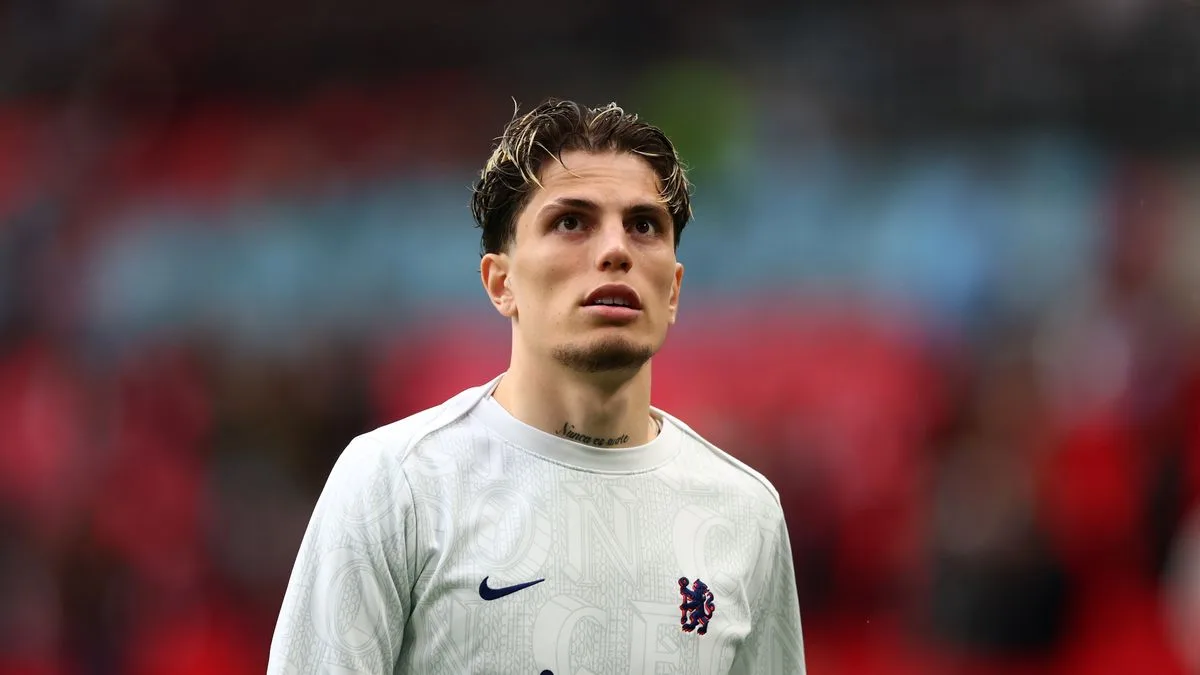
Greenwood's situation offers a useful comparison to another former United academy product, Alejandro Garnacho. The Argentine winger moved to Chelsea for £40 million last summer after a high-profile falling-out with then-manager Ruben Amorim.

Crucially, United secured a 10 per cent sell-on clause, ensuring they would receive a slice of any future transfer fee if Chelsea decide to sell him. Because Garnacho came through United's academy, having joined from Atletico Madrid for just £100,000 in 2020, the initial £40 million fee was treated as pure profit under PSR. Any income generated via the sell-on clause would be similarly accounted.

The 21-year-old signed a seven-year contract at Stamford Bridge, keeping him at Chelsea until 2032, meaning any windfall may not arrive immediately. That said, his modest start in west London—just one goal in 16 Premier League appearances so far—combined with Chelsea's tendency to aggressively trade players for profit, means an early departure cannot be entirely ruled out.

Historical Precedents and Strategic Safeguards

United have also encountered complex sell-on arrangements with other clubs, notably when Manchester City sold Brahim Diaz to Real Madrid in 2019. City included a carefully structured clause to deter a potential transfer to Old Trafford, with a 40 per cent sell-on clause triggered if Madrid sold Diaz to United, but only 15 per cent for any other club.

By inflating the figure for a United move, City effectively made such a deal financially prohibitive, a strategic safeguard against strengthening a direct rival.

Contractual clauses have affected transfers to United in other cases too. During his time at Barcelona, Luis Suarez reportedly had provisions that prevented certain elite European clubs—including United, Real Madrid, Man City, and PSG—from signing him directly.

As a result, when Suarez left Barcelona in 2020, several high-profile routes were blocked. He ultimately joined Atletico Madrid, going on to lead them to the La Liga title in his debut season at the Metropolitano, a reminder that even the most carefully drafted clauses don't always work as intended.

Financial Implications and Club Strategy

Manchester United's use of sell-on clauses reflects a broader trend in modern football, where clubs leverage contractual terms to secure long-term financial benefits and protect their interests. Under PSR, revenue from such clauses can be crucial for maintaining compliance while funding future transfers and operations.

The cases of Greenwood and Garnacho highlight how United are balancing immediate needs with future gains, though complexities like third-party shares and rival clauses add layers of uncertainty. As the transfer market evolves, these strategies will likely become even more refined, shaping how clubs navigate financial regulations and competitive dynamics.