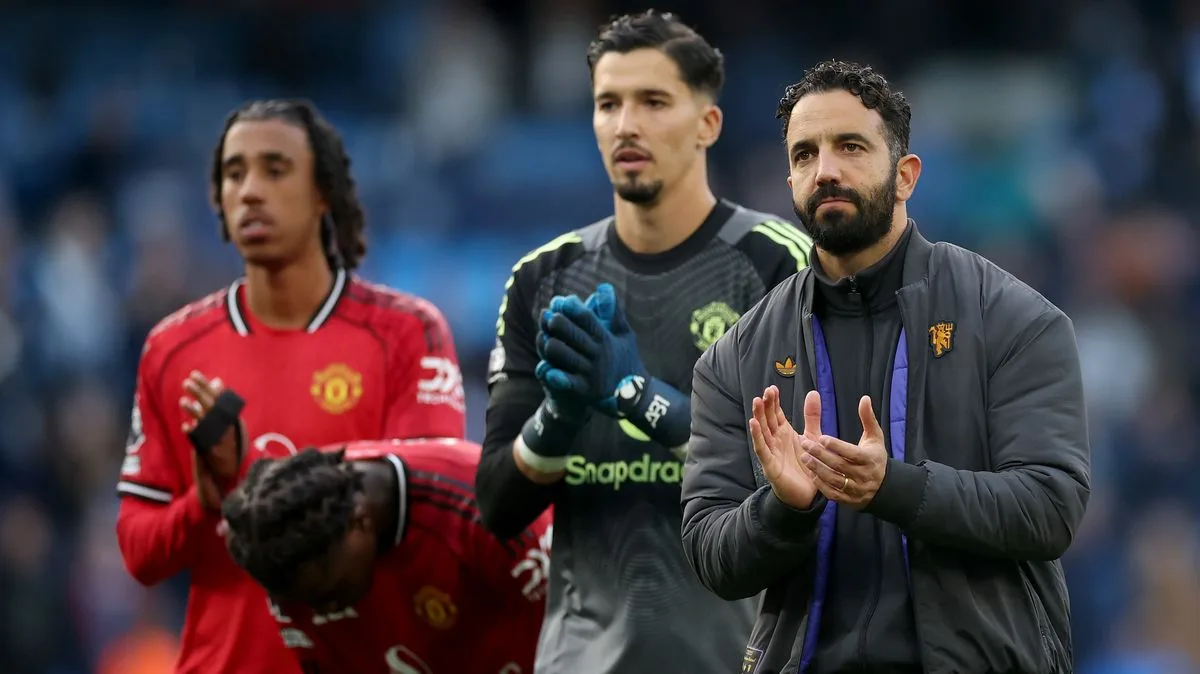
The departure of Ruben Amorim from Manchester United this week was met not with despair, but with a sense of grim inevitability. The Portuguese manager was relieved of his duties on Monday, but reports suggest he left the club's Carrington training ground with a smile, seemingly relieved of a monumental burden.
A Club Rotting from the Top Down
Amorim's 14-month tenure is just the latest chapter in a saga of failure that points far beyond the dugout. The core issue, as highlighted by his explosive post-match comments at Elland Road, is a dysfunctional leadership structure that has persisted and arguably worsened under the regime of Sir Jim Ratcliffe and INEOS. Since acquiring a minority stake nearly two years ago, the promised new dawn has failed to materialise, replaced by a familiar cycle of costly mistakes and a lack of accountability at the highest level.
While managers like Amorim and his predecessor Erik ten Hag pay the price with their jobs, the executives who appoint them and shape their fate remain largely insulated from the consequences. The focus now falls squarely on chief executive Omar Berrada and technical director Jason Wilcox, figures who operate with significant influence but minimal public scrutiny.
A Catalogue of Costly Errors
The evidence of mismanagement is staggering in both scale and cost. In the 18 months before his sacking, Ten Hag was backed with £300 million in new signings, only to be dismissed months later. The sporting director role has been a revolving door, with Dan Ashworth hired and fired within just six months because his counsel was reportedly not heeded.
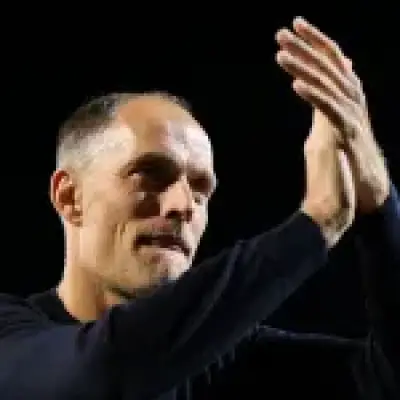
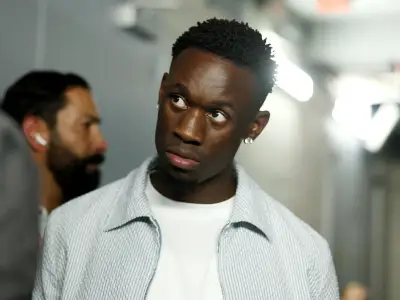
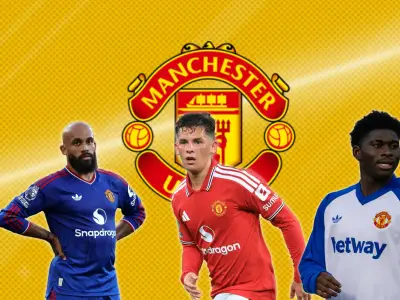
Amorim himself was reportedly not the first choice, with Ratcliffe's pursuit of Thomas Tuchel ending in failure. The club then handed Amorim a squad ill-suited to his preferred 3-4-3 system. Furthermore, the signings of players like Joshua Zirkzee, Manuel Ugarte, and Benjamin Sesko have been questioned by a disillusioned fanbase, adding to the sense of wasted millions on both transfer fees and compensation packages.
The Puppet Masters and a Manager's Defiance
Insiders suggest Amorim's dismissal was not solely due to poor results, such as the defeat at Grimsby Town or failures against Wolves and West Ham. The breaking point was his refusal to become a puppet for the vision—or lack thereof—imposed by Wilcox, Berrada, and Ratcliffe. His public outburst was a rare moment of a manager calling out the true source of the club's problems.
This episode underscores a brutal truth for Manchester United: until the individuals making catastrophic decisions behind the scenes are held to account, the cycle will continue. The manager's office will remain a poisoned chalice, and the club's cherished history will feel ever more distant. The path back to glory requires a reckoning at the very top, not just another sacrificial lamb in the technical area.