Manchester United's 100,000-Seat Stadium Plans Progressing, No Opening Date Set
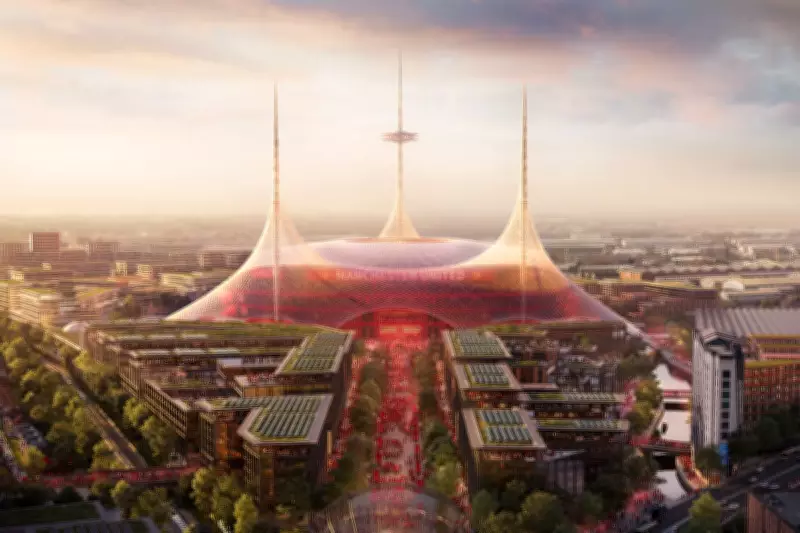
Manchester United has confirmed that its ambitious plans for a new 100,000-capacity stadium are progressing as scheduled, although the club has not yet established a definitive timeframe for completion. The project, which was unveiled last year, aims to create the largest stadium in the United Kingdom, but it remains in its early developmental stages.
Significant Progress Behind the Scenes
Colette Roche, the club executive leading the development, has indicated that significant progress has been made behind the scenes, particularly in areas such as investment and land positioning. However, she has tempered expectations regarding a potential completion by 2030, emphasising the complexity of the undertaking.
Roche explained on the club's official podcast: "When we launched the idea of a new stadium 12 months ago, we did say it would take between four and five years for construction and that's right. But I think people read that as we might have the stadium ready for 2030, but with a stadium build as complex as the one that we're going to enter into, it does take one or two years to get ready for construction – to get the land assembled, to get the funds in place and to get the planning permission."

"So that's the part that we're doing right now. So we've not named a date for opening, but we are on track within those timescales."
Land Assembly and Investment Challenges
The proposed £2 billion stadium is planned for land adjacent to the club's historic Old Trafford home. However, efforts to secure the full site are ongoing, with complications arising from a nearby freight terminal. The club is actively working to assemble the necessary land to ensure an optimal location for the new venue.
Roche highlighted the progress in land assembly, stating: "We want to make sure we get the best possible position for this stadium, one which has got plenty of land around it to put the right facilities in place, one that's connected and offers a great match-day experience. I'm hoping to be able to share some positive news on that front in the next few months."
In addition to land acquisition, Manchester United is seeking to attract funding from multiple sources. The proposals extend beyond the stadium itself to encompass a wider regeneration project, which has generated considerable interest from potential investors.
Roche noted: "I think the second area that we've done a lot in is around investment and I'm delighted to say we've had a lot of interest. There's a lot of people and organisations that want to invest, not just in the stadium, but also in the wider stadium district."
Fan Engagement and Broader Impact
The club received approximately 80,000 responses to a fan survey regarding the project, demonstrating significant supporter engagement. United is confident that the new stadium will reflect both its rich history and future ambitions, while also delivering substantial benefits to the local community.
Roche elaborated on the broader impact: "It is much more than a stadium. My priority and the club's priority is going to be the best stadium for the best team and the best fan experience. But when we've done all of the analysis, it's clear that it's going to be the catalyst to generate so much more."
"And so we know that it will generate billions of pounds for the local economy, which is great. It'll also create thousands of homes and 90,000 jobs. It's going to go far beyond football."
As the project continues to evolve, Manchester United remains committed to its vision of a state-of-the-art stadium that not only enhances the match-day experience but also serves as a cornerstone for regional regeneration. While the exact opening date remains uncertain, the club assures stakeholders that the development is proceeding according to plan.