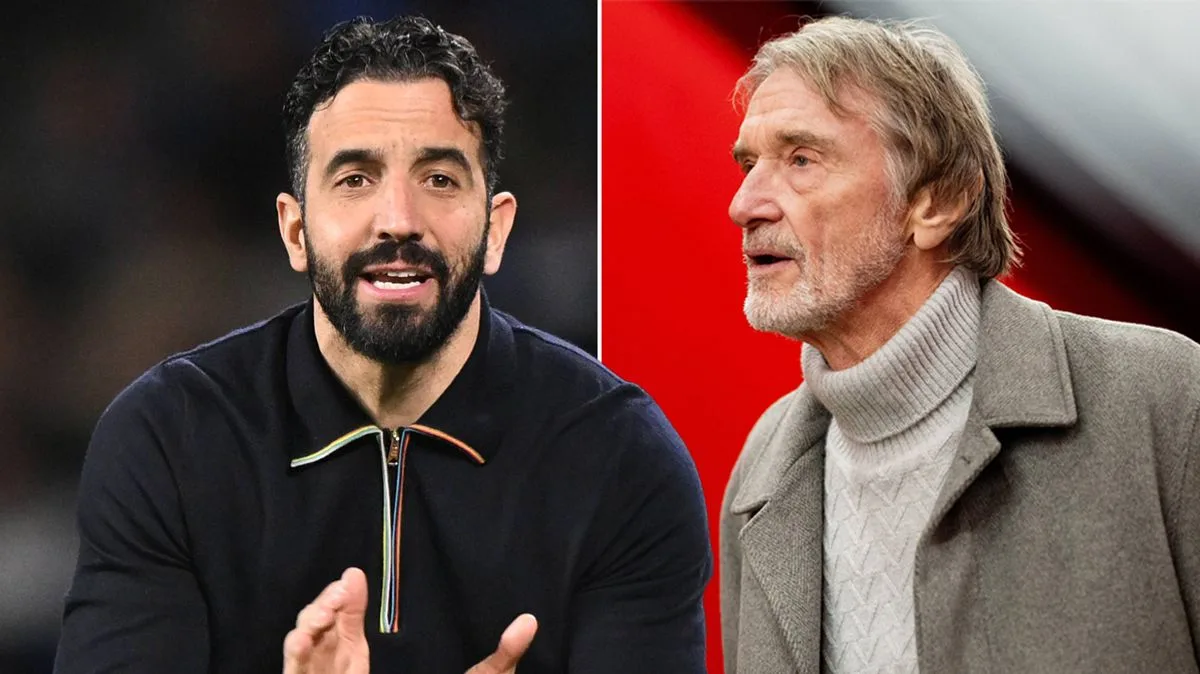
The cultural revolution underway at Manchester United under Sir Jim Ratcliffe's Ineos leadership is creating significant friction with the club's legendary former players, who feel increasingly alienated from the institution they helped build.
A New Era of Business Efficiency
Since taking sporting control at Old Trafford in February 2024, petrochemicals billionaire Ratcliffe has pursued cost-cutting and efficiency with tunnel vision. His unapologetic approach has seen over 450 staff redundancies and the removal of lucrative ambassadorial roles from iconic figures.
Most notably, Sir Alex Ferguson had his club ambassador position taken away over a year ago, signalling that no one was immune from the new regime's sweeping changes. The decision represented a major shift in how the club values its history and former heroes.
Legends Pushed Away
The consequences of this new direction are becoming increasingly apparent. Former manager David Moyes recently highlighted the cultural shift, stating: "The history of Manchester United was not that. Manchester United had a great culture. They stuck with their managers, they brought through their own academy boys."
Current issues extend beyond former staff to matchday experiences for legends. Norman Whiteside decided not to renew his season ticket in May following problems including seat relocation. Even the family of Sir Matt Busby required Ferguson's personal intervention to retain their seats last year.
More recently, modern icons Paul Scholes and Nicky Butt have encountered ticket problems that would have been unthinkable during their playing days. Scholes revealed he resorted to using a ticket tout to gain entry, while Butt faced threats of losing his season ticket after missing several games.
"It's a very different football club to the club we knew," Scholes admitted. "I don't really know anybody there." Butt echoed the sentiment, confirming: "I don't know anybody there."
Financial Success Versus Cultural Heritage
While relationships with the club's past deteriorate, the financial results tell a different story. United recently posted record financial revenue of £666.5 million, including record commercial revenue of £333.3 million and record matchday revenue of £160.3 million.
The Ineos operation has employed consultants whose recommendations led to the early relocation of the London office, reduction of staff benefits, and widespread redundancies. Taken together with the treatment of club legends, these actions paint a picture of a club prioritising modern business efficiency over its historical roots.
Current manager Ruben Amorim has reportedly recognised the growing problem. He's said to want to bring back legends like Eric Cantona to maintain connections with the club's successful past. However, with United sitting 10th in the Premier League after failing to score against 10-man Everton for 81 minutes, his immediate priorities lie elsewhere.
Whether Amorim gets his way remains uncertain, particularly given Ratcliffe's demonstrated focus solely on the future. The Ineos vision for Manchester United appears to have little room for the traditions and relationships that defined the club's most successful eras.