Iconic Manchester United Shirt Worn by Munich Hero Harry Gregg to be Auctioned
The historic goalkeeper jersey worn by Manchester United legend Harry Gregg during the 1958 FA Cup final is set to go under the hammer next month in a landmark sports memorabilia auction. The shirt represents one of the most significant artifacts from one of football's most tragic yet heroic chapters.
The Hero of Munich's Legacy
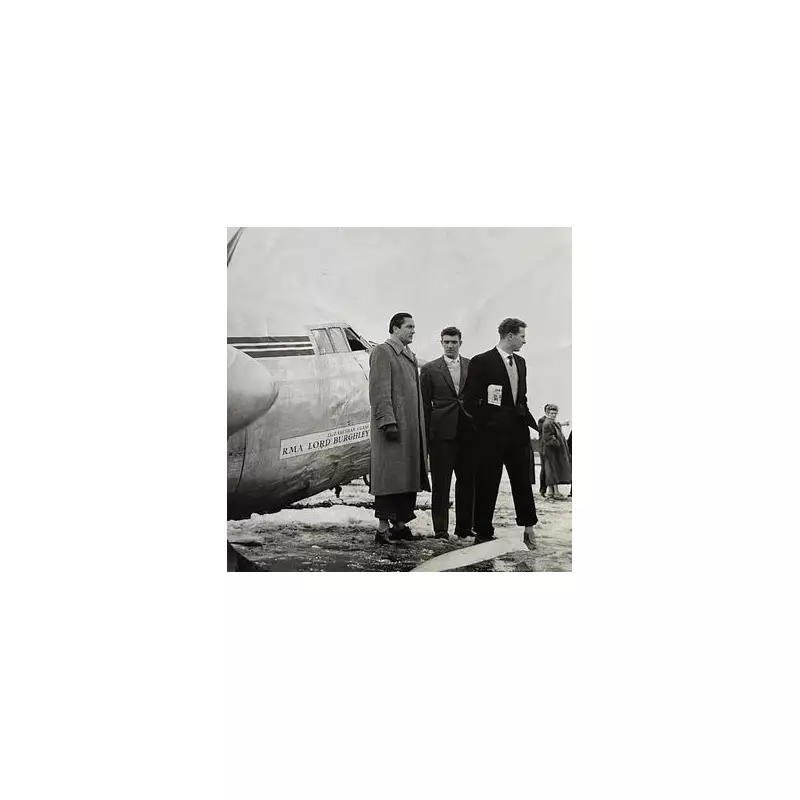
Harry Gregg earned his enduring nickname 'The Hero of Munich' following his extraordinary actions after the 1958 Munich air disaster. The Northern Irish goalkeeper survived the catastrophic plane crash that claimed 23 lives, including eight of his Manchester United teammates, and immediately returned to the burning wreckage to rescue fellow survivors.
Among those he saved were future England World Cup winner Bobby Charlton, teammates Dennis Viollet and Jackie Blanchflower, and even a young child who had been travelling with the party. This remarkable display of courage defined Gregg's character and cemented his place in football history.

The Controversial 1958 FA Cup Final
The green goalkeeper shirt being auctioned holds particular historical significance because of the match in which it was worn. During the 1958 FA Cup final against Bolton Wanderers, Gregg was famously bundled into the net along with the ball by Bolton legend Nat Lofthouse for what became a highly controversial winning goal.
Auction house Budds revealed: "Ten red shirts were prepared for the 1958 FA Cup final. Only one was made in green, leaving a single surviving example from one of the most significant matches in the club's history."
The incident sparked widespread debate about goalkeeper protection and eventually contributed to changes in the laws of the game, making this shirt not just a piece of memorabilia but a tangible link to football's evolving rules and regulations.
A Comprehensive Collection of Football History
The auction features an extensive collection of Gregg's match-worn and swapped shirts that reflect his distinguished career at both club and international level:
- The iconic 1958 FA Cup final green goalkeeper jersey
- A green Real Madrid goalkeeper shirt worn by Rogelio Domínguez in 1959, acquired through post-match swapping
- A black Benfica number one shirt worn by Costa Pereira during the 1966 European Cup quarter-final
- Various domestic and European match-worn shirts from his 247 appearances for Manchester United
Football historian Peter Kenny Jones commented on the collection's significance: "Collectors are no longer simply acquiring objects; they are acquiring stories, context and cultural significance. This collection offers all three."
Market Value and Historical Importance
The 1958 FA Cup final shirt is expected to fetch at least £20,000, though auctioneers anticipate it could sell for considerably more given its unique historical importance. The entire collection represents what Kenny Jones describes as "the intersections of sport, history and human resilience."
The historian added: "Sports memorabilia is not just a passion. It is an investment in the moments that shaped the games we love. In Harry Gregg's case, it is also an investment in courage, integrity and a life lived with quiet dignity."
Gregg's Distinguished Career
Harry Gregg joined Manchester United in December 1957 for approximately £23,000, making him the world's most expensive goalkeeper at the time. He became a central figure during Matt Busby's legendary era at the club, making 247 appearances between 1957 and 1966.
At international level, he earned 25 caps for Northern Ireland between 1954 and 1963 and represented his country at the 1958 World Cup in Sweden, where he was named the tournament's best goalkeeper.
Even after his playing career ended, Gregg continued to contribute to football and community causes. In 2015, he established the Harry Gregg Foundation, which promotes youth participation in sport while emphasising education, heritage and social inclusion - values that reflected his lifelong commitment to humility, responsibility and community.

The auction of his historic shirts comes nearly four years after his death in February 2020 at the age of 87, ensuring his remarkable legacy continues to inspire future generations of football fans and historians alike.