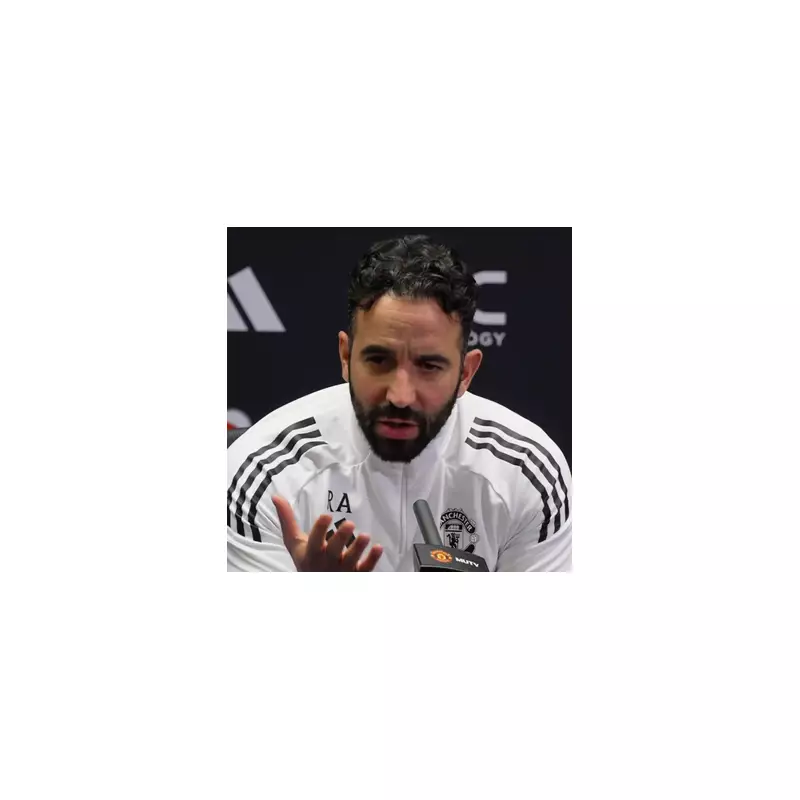
Manchester United manager Ruben Amorim has launched a stinging rebuke against two of the club's academy prospects, accusing them of epitomising an 'entitlement' culture he believes is plaguing the squad.
Social Media Spat Sparks Managerial Fury
The controversy erupted after Amorim's comments about the youngsters' form last week. The Portuguese coach had noted that defender Harry Amass was "struggling" during a loan spell at Sheffield Wednesday in the Championship, while forward Chido Obi was not a regular starter for United's Under-21 side.
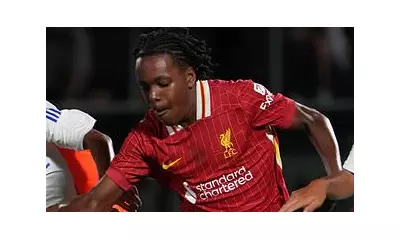
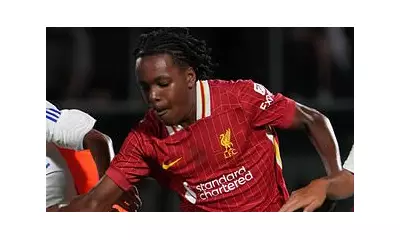
In a clear response, both 18-year-olds took to Instagram on Monday, 19 December 2025. Amass posted a picture of himself holding a Player of the Month trophy from his time at Sheffield Wednesday. Obi shared an image celebrating a goal for the U21s.
'A Feeling of Entitlement We Have in Our Club'
Addressing the incident ahead of United's match against Bournemouth, Amorim did not hold back. He insisted his original remarks were not negative but intended to highlight the privilege of representing Manchester United.
"I think it is the feeling of entitlement that we have in our club," Amorim stated. "Sometimes strong words are not bad words... We don't need to always have accolades in every situation. That's why when you talk about a lot of players nowadays that go against the clubs, it happens because they feel entitlement."
He expressed frustration that neither player had chosen to speak to him directly, despite his open-door policy. "My office is open, nobody is coming to talk to me. And that is the way we can solve things," he added.
A Broader Cultural Issue at Old Trafford
Amorim framed the incident as symptomatic of a wider problem at Manchester United, extending beyond the academy. He suggested a disconnect from the club's demanding standards and history.
"I think it's something in our club," he explained. "We talk about the players sometimes forgetting what it means to play for Manchester United. We as a club sometimes forget who we are... I understand it's the environment, the moment. The kids feel entitled. They feel free to respond to the manager with a picture."
The manager concluded by stressing the need for foundational change, arguing that "we need to change first as a club and then everything is going to change." He maintained his initial point was about the 'luck of playing for Manchester United' and understanding different, less privileged realities in football.