Liverpool's Alternative Transfer Window: A Tale of What Might Have Been
The January transfer window has officially closed for Liverpool, with the club securing a future deal for promising French defender Jeremy Jacquet from Rennes. While this represents a positive long-term acquisition, it does little to address the immediate defensive crisis facing manager Arne Slot. With Giovanni Leoni, Conor Bradley, Jeremie Frimpong, and Joe Gomez all sidelined through injury, the Reds' backline remains severely depleted as they compete on three fronts.
The Salah Situation: A Potential Bombshell Departure
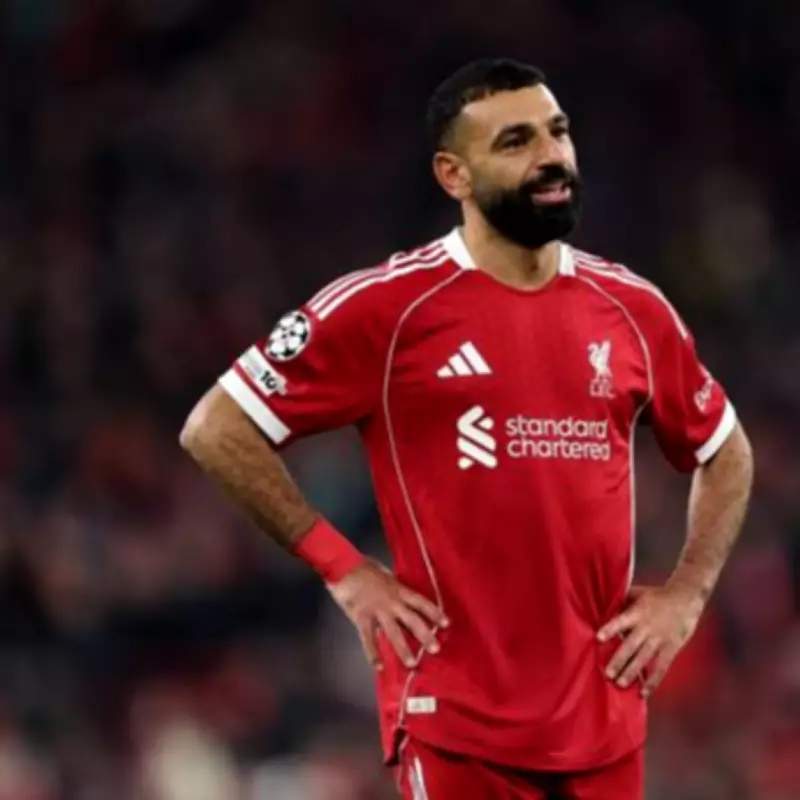
One of the most significant alternative scenarios that could have unfolded involves Mohamed Salah. Following his return from Africa Cup of Nations duty, the Egyptian forward has been a regular fixture in Liverpool's lineup. However, this represents a stark contrast to the situation in December when Salah was relegated to the bench for three consecutive matches, including the 3-3 draw against Leeds United at Elland Road.
The 33-year-old's frustration boiled over, leading to public criticism of both the club and manager Arne Slot. Salah accused Liverpool of throwing him under the bus and admitted to having no rapport with the Dutch tactician. While this dispute was eventually resolved internally, a more radical solution could have been pursued.

Given Salah's own uncertainty about remaining at Anfield beyond 2026, and with the Saudi Pro League maintaining persistent interest, Liverpool could have opted to cash in on one of their greatest ever players. This would have represented a seismic shift in the club's transfer strategy and squad composition.
Defensive Reinforcements: The Marc Guehi Opportunity
Had Salah departed, the substantial transfer fee generated could have been redirected toward strengthening Liverpool's problematic defensive positions. This might have reignited their pursuit of Crystal Palace defender Marc Guehi, a player who came within inches of joining the Reds on deadline day four months earlier.
The £35 million deal ultimately collapsed, but with Palace eager to secure a fee rather than lose Guehi on a free transfer in the summer, Liverpool could have re-entered the race. The England international had previously agreed to join Liverpool at the conclusion of the summer window, suggesting that beating Manchester City to his signature remained a realistic possibility.
Guehi's arrival would have significantly increased competition in central defense, potentially threatening Ibrahima Konate's position given the Frenchman's inconsistent performances this season. This alternative scenario would have provided immediate defensive reinforcement rather than the delayed solution represented by Jacquet's summer arrival.
The Jacquet Battle: How Liverpool Nearly Missed Their Man
Even the confirmed signing of Jeremy Jacquet represents a transfer that could easily have gone differently. The 20-year-old French center-back, considered one of Europe's finest defensive prospects, was the subject of intense competition from Premier League rivals.
Chelsea held concrete discussions with Rennes last month and could have pipped Liverpool to the post. The Blues' appeal included several factors that might have proven decisive:
- The attraction of living in London
- Working under manager Liam Rosenior, who has experience in Ligue 1
- The existing French contingent at Stamford Bridge
This would not have been the first time Chelsea beat Liverpool to a signature, with Moises Caicedo's 2023 transfer serving as a recent precedent. Arsenal and Manchester United also maintained long-standing interest in Jacquet, making Liverpool's successful negotiation all the more impressive.
Window Assessment: Satisfactory Conclusion With Missed Opportunities
While securing Jacquet represents a satisfactory conclusion to what was otherwise a quiet transfer window, the alternative scenarios highlight both opportunities and risks that Liverpool navigated. The club avoided the potential disruption of a Salah departure while still addressing their defensive needs, albeit with a delayed solution.

The failure to secure immediate defensive reinforcements leaves Slot with significant challenges for the remainder of the campaign. However, the acquisition of one of Europe's most promising young defenders, combined with the retention of their star forward, suggests Liverpool's hierarchy opted for stability over radical change.
This alternative examination reveals how different decisions could have dramatically altered Liverpool's squad composition and competitive prospects, underscoring the fine margins that define successful transfer strategy in modern football.