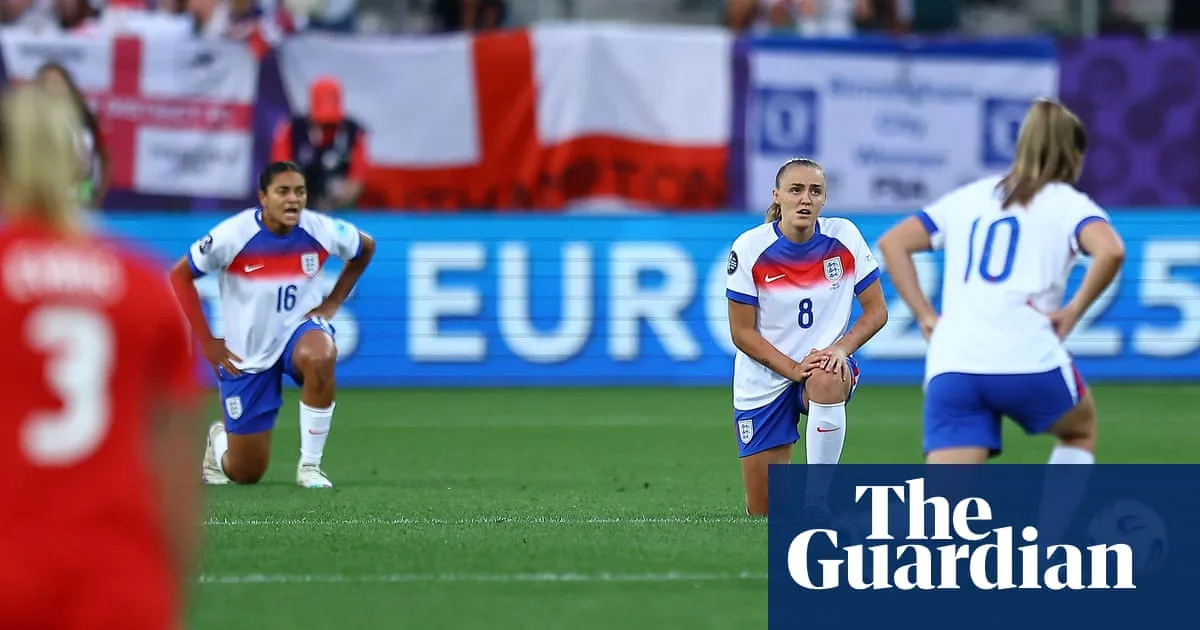
England’s women’s football team, the Lionesses, have decided to stop taking the knee before their matches, a move that has reignited debate about the effectiveness of the gesture as an anti-racism symbol. The decision came after defender Jess Carter received racist abuse on social media, with the team saying football needed 'to find another way to tackle racism'. The Premier League is now planning to discuss with club captains whether to continue the practice next season.
Taking the knee gained prominence in UK football in 2020 following the murder of George Floyd, but its value is increasingly questioned. While Piara Powar of the anti-discrimination organisation Fare insists it remains a 'powerful antiracist act', UK Foreign Secretary David Lammy said this week that the time for the gesture had 'probably passed'. The debate mirrors wider societal divisions over symbolic actions versus substantive change.
Community organiser Ros Griffiths, from Lambeth in south London, argued that the symbol has been stripped of meaning due to persistent racial inequality. She likened taking the knee to 'clapping for the NHS' — purely symbolic — and noted that 'things have got worse since George Floyd', citing last year’s race riots and the suspension of MP Diane Abbott. Kick It Out’s latest report found a 47% rise in racist abuse in the 2023-24 season, with social media reports almost tripling.
Other Black sporting figures have previously voiced scepticism. In 2020, coach Les Ferdinand said the message had been lost, while then-Crystal Palace forward Wilfried Zaha described the gesture as 'degrading'. On the right, Nigel Farage reacted with 'predictable glee' to the Lionesses’ decision, and former minister Dominic Raab once called the knee 'a symbol of subjugation'. The gesture has, however, been supported by former England manager Gareth Southgate and the Professional Footballers’ Association.
The Football Association said it was 'very concerned about the rise in online abuse and discrimination' and is working with police and social media companies. Prime Minister Keir Starmer expressed solidarity with players suffering racism, as his government develops a social cohesion project. The debate continues over whether football and society can move beyond gestures towards meaningful action.