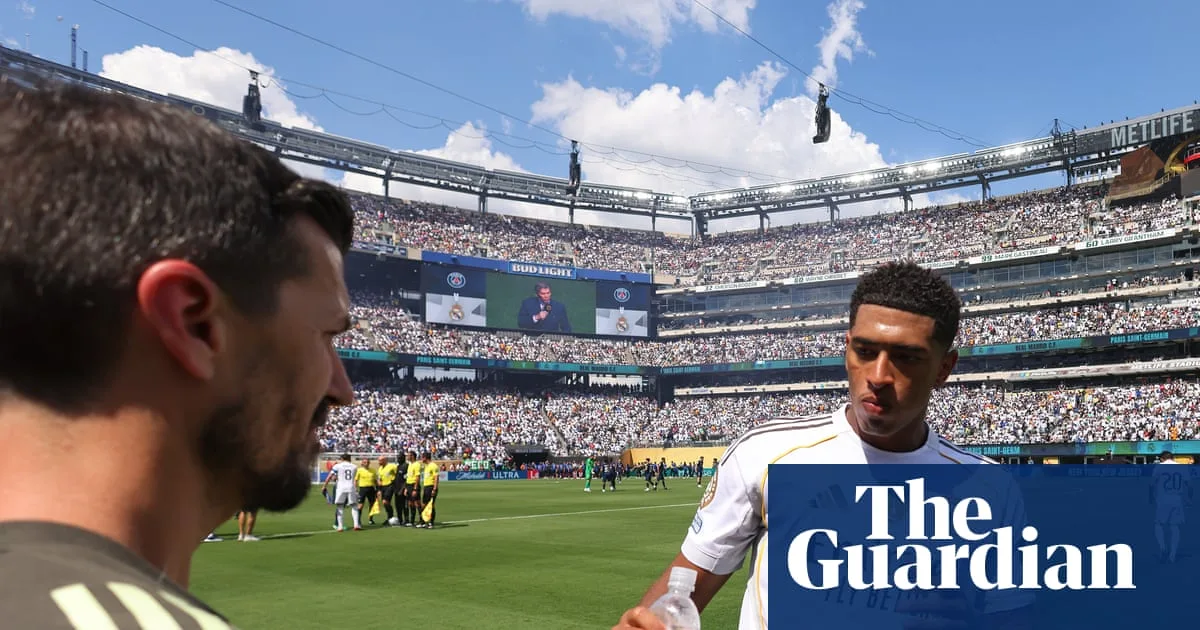
ITV Abandons World Cup In-Game Ads Following Major Viewer Backlash
ITV Drops World Cup In-Game Ads After Backlash

ITV Reverses Course on Controversial World Cup Advertising Plan

In a significant policy reversal, broadcaster ITV has confirmed it will not implement split-screen in-game advertisements during its coverage of the 2026 FIFA World Cup. This decision comes just weeks after the network faced substantial public criticism for introducing similar advertising during the Six Nations rugby championship.

Backlash from Rugby Coverage Influences World Cup Decision

The controversy stems from ITV's experimental use of split-screen advertisements during live Six Nations matches earlier this year. Viewers expressed widespread dissatisfaction with the format, which interrupted traditional broadcast practices where advertisements were confined to halftime or between periods of play.

Social media platforms erupted with complaints during the rugby tournament. One frustrated viewer commented, "Watching rugby on ITV - what's this split-screen advertising about? So irritating. Leave it till half-time." Another added, "Shocking split of the screen during the rugby for an advert!" while a third simply stated, "Hating this advert split-screen during the rugby."

Wide Pickt banner — collaborative shopping lists app for Telegram, phone mockup with grocery list

FIFA's New Advertising Framework

The 2026 World Cup presented a unique opportunity for broadcasters to implement in-game advertising. FIFA confirmed in December that each match half would include a single three-minute stoppage, specifically designated for broadcasters to run advertisements while play was officially paused. This marked a departure from previous tournaments where advertisements were strictly limited to halftime intervals.

According to FIFA's regulations:

  • All 104 tournament matches will feature three-minute drinks breaks in each half
  • Broadcasters cannot begin advertising pauses within 20 seconds of the referee stopping play
  • Coverage must return to the match feed at least 30 seconds before play resumes

Regulatory and Commercial Constraints

ITV's decision appears influenced by multiple factors beyond viewer sentiment. The broadcaster, which operates under Ofcom's regulatory oversight, faces restrictions on the total volume of advertising it can air during programming. Implementing split-screen advertisements would necessitate reductions in traditional commercial break time to remain compliant with these regulations.

Additionally, FIFA maintains strict control over advertising during World Cup matches, limiting commercial breaks primarily to its official partners and tournament sponsors. This creates further complications for broadcasters seeking to maximize advertising revenue while maintaining regulatory compliance and viewer satisfaction.

Traditional British Broadcasting Standards

UK broadcasters have historically maintained a standard of showing live sporting events without commercial interruptions during active play. The Six Nations experiment represented a significant departure from this tradition, one that ultimately proved unpopular with audiences accustomed to uninterrupted viewing experiences.

ITV will share broadcasting responsibilities for the 2026 World Cup with the BBC, with both networks carrying England's matches throughout the tournament. The World Cup will be hosted across North America, with matches scheduled in 16 stadiums across the United States, Canada, and Mexico beginning June 11.

The tournament's opening match is now less than three months away, with ITV's advertising decision providing clarity for viewers anticipating summer football coverage. This reversal demonstrates the continuing influence of audience feedback on broadcasting policies, particularly for major sporting events with significant public interest.

Pickt after-article banner — collaborative shopping lists app with family illustration