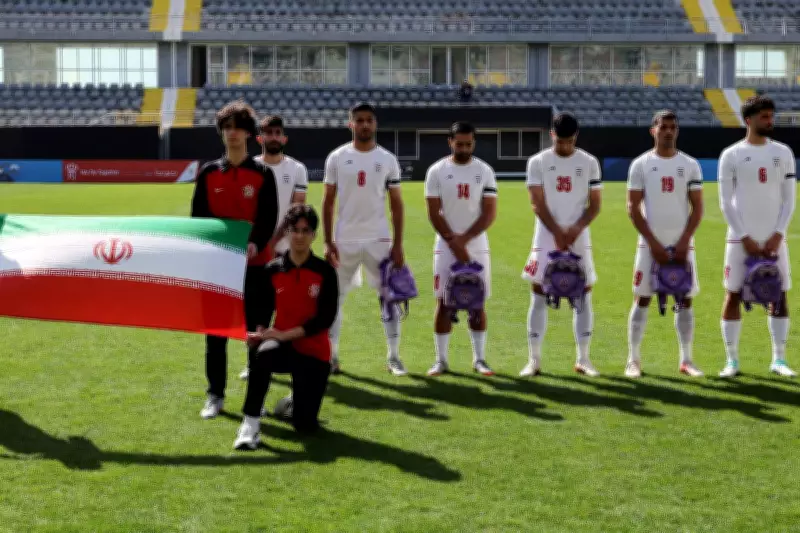
In a poignant and silent demonstration, Iran's men's national football team staged a powerful protest during a friendly match in Turkey on Friday. The players wore solemn black armbands and held schoolbags aloft while their national anthem played, creating a stark visual tribute to the young victims of a recent tragedy.
A Symbolic Gesture of Remembrance
The protest was meticulously planned to honour the memory of schoolgirls killed on the very first day of the Iran war. Each schoolbag symbolised the innocent lives lost in a devastating attack on Shajareh Tayyebeh School, transforming the football pitch into a memorial space. This act of remembrance highlighted the human cost of the ongoing conflict, with the players using their platform to draw international attention to the tragedy.
Contested Details of the Attack
Tehran has officially stated that over 175 people, including numerous children, perished in the attack on 28 February. Iranian authorities have attributed the strikes to a joint operation by the United States and Israel, alleging deliberate targeting. However, the situation remains clouded by uncertainty, as US military investigators have not yet finalised their findings or released an official report on the incident. This lack of conclusive evidence has fuelled diplomatic tensions and conflicting narratives.

World Cup Participation Hangs in the Balance
The ongoing war has cast a significant shadow over Iran's participation in the upcoming World Cup, which is scheduled to be hosted by the United States, Mexico, and Canada. Given the geopolitical tensions and the team's protest implicating the US, their involvement is now highly uncertain. The Iran Football Federation is actively engaged in discussions with Fifa, exploring the possibility of relocating their matches from the United States to Mexico as a precautionary measure.
Fifa's Current Stance and Future Implications
Despite these negotiations, Fifa currently maintains that the United States remains the scheduled venue for Iran's matches, adhering to the original tournament plan. This stance presents a complex logistical and diplomatic challenge, as the team's protest directly references alleged US involvement in the school attack. The outcome of these talks could have far-reaching implications for the tournament's organisation and the broader relationship between sports and international politics.
The protest underscores how athletes are increasingly using global sporting events to make political statements, blending sports with activism. As the conflict continues, the world watches to see how Fifa will navigate these sensitive issues and whether Iran's team will compete on the world stage.