Infantino's UEFA Congress Appearance Marred by Geopolitical Tensions
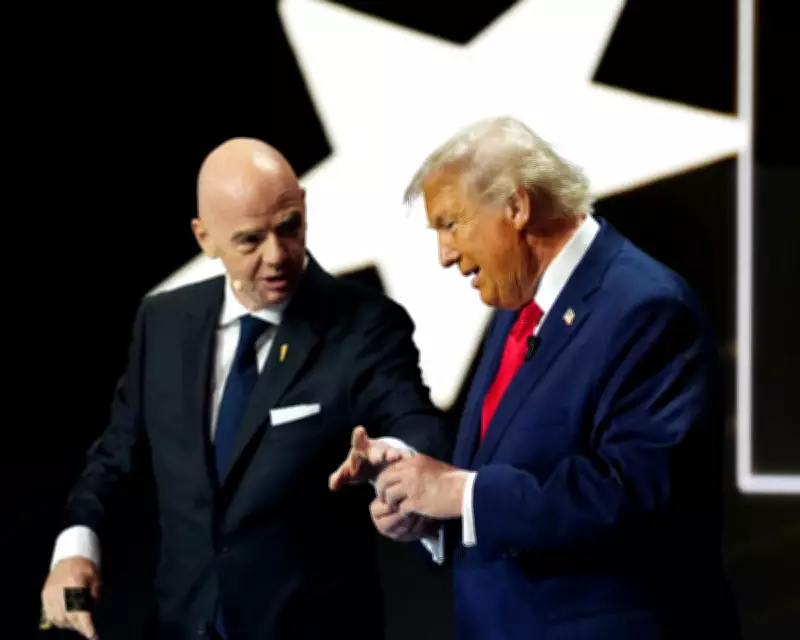
FIFA President Gianni Infantino is set to address UEFA's annual congress in Brussels on Thursday, but his visit comes amid significant disquiet among European football's governing body. The focal points of concern revolve around Infantino's controversial relationship with former US President Donald Trump and his persistent advocacy for Russia's reintegration into international football competitions.
Russia's Potential Return Sparks Outrage
Infantino has repeatedly suggested that the ban on Russian teams should be reconsidered, particularly for youth squads. This stance has generated substantial backlash across European football associations. Privately, numerous FA officials express bewilderment that this topic even surfaces for discussion, given that Russia's full-scale invasion of Ukraine in February 2022 remains ongoing with no resolution in sight.
It is considered virtually impossible that UEFA's executive committee will table any vote regarding Russia's return during their pre-congress meeting. Even if some support exists within European football circles, it lacks the necessary political momentum to succeed. There is genuine apprehension that Infantino might attempt to leverage FIFA's upcoming congress in Vancouver to advance his agenda on this matter.

Trump Relationship Creates Deep Unease
The FIFA president's association with Donald Trump has become a significant source of discomfort within UEFA's leadership corridors. While initial panic about potential US co-hosting issues for this summer's World Cup has subsided, the fundamental unease about Infantino's political affiliations persists strongly. The notion of any boycott, always an extreme measure, has effectively vanished, but the underlying sentiment of disapproval remains palpable among European football's power brokers.
This dynamic follows last year's incident where Infantino's tardiness from Middle Eastern business engagements prompted a walkout by UEFA representatives at a FIFA congress. Observers anticipate he may adopt a more conciliatory tone in Brussels to mend these strained relations.
Ceferin's Position Appears Unassailable
Meanwhile, UEFA President Aleksander Ceferin appears to be consolidating his authority within European football. Despite previous controversy surrounding his extension of presidential term limits, the widespread expectation is that Ceferin will seek an unprecedented fourth term next year without facing significant opposition. His leadership has been bolstered by successful tournaments including the women's European Championship and the revamped men's Champions League format.
Ceferin can also claim credit for temporarily staving off threats of domestic league matches being played on other continents and for containing the Super League rebellion, with Barcelona recently abandoning the project. However, challenges loom regarding future Champions League format changes from 2030 and the expanding Club World Cup, requiring steady navigation of the increasingly influential European Football Clubs group.
Other Geopolitical Challenges Linger
Additional geopolitical issues continue to simmer beneath the surface. There has been no serious movement toward banning Israel from competitions despite the ongoing conflict, though Israel's FA is not currently pushing for home internationals due to regional tensions with Iran. The status of Greenland's football aspirations remains unresolved after their rejection by CONCACAF, with Nordic FA heads scheduled to discuss the matter separately.
As football's two most powerful administrators prepare to address European football's elite, the broader landscape suggests that the sport's most combustible issues extend far beyond Thursday's procedural gatherings. The fundamental power dynamics between FIFA and UEFA, and their respective leaders' approaches to football's most sensitive political challenges, will continue to shape the global game's future direction.