A homophobic chant that has plagued Mexican football for over two decades has resurfaced strongly in recent weeks, casting a shadow over the country's preparations to co-host the 2026 FIFA World Cup. Despite sanctions and awareness campaigns, the offensive slur continues to echo in stadiums, prompting fears of international embarrassment and punitive measures during the global tournament.
Persistent Problem Despite FIFA Crackdown
The chant, a one-word Spanish slur often directed at opposing goalkeepers during goal kicks, first gained notoriety at the 2014 World Cup in Brazil. It has since been heard at subsequent tournaments in Russia (2018) and Qatar (2022), leading to fines and stadium closures for Mexico. FIFA has partnered with the Fare Network to deploy observers at all World Cup matches to monitor discriminatory behaviour, including chants and banners across all participating nations.
Failed Efforts and Cultural Defences
Initially, Mexican soccer officials argued the chant was not homophobic but had different cultural connotations. However, prior to the 2018 World Cup, they launched social media campaigns that failed to curb its use. In Russia, the chant during a match against Germany resulted in historic penalties: Mexico played World Cup qualifiers behind closed doors at Azteca Stadium for the first time ever.

Mexican Federation President Ivar Sisniega acknowledged the ongoing struggle, stating, "Sustained efforts have been made for years to eradicate this type of expression, with awareness campaigns and measures in stadiums, and while there has been progress, we are aware that isolated incidents still persist." The federation and Liga MX have simply urged fans not to chant, while recently introducing the "We Are Mexico" campaign to promote positive fan behaviour.
LGBTQ+ Activism and Social Impact
Andoni Bello, an LGBTQ+ activist and former amateur player for Mexico, condemned the chant as verbal aggression that can escalate into physical violence. He warned, "This permissiveness that nothing happens and that it’s cultural means that hate crimes also remain cultural." This is particularly concerning in Mexico, where a government survey indicates approximately 5.1% of the population identifies as LGBTQ+.
Recent Incidents and World Cup Implications
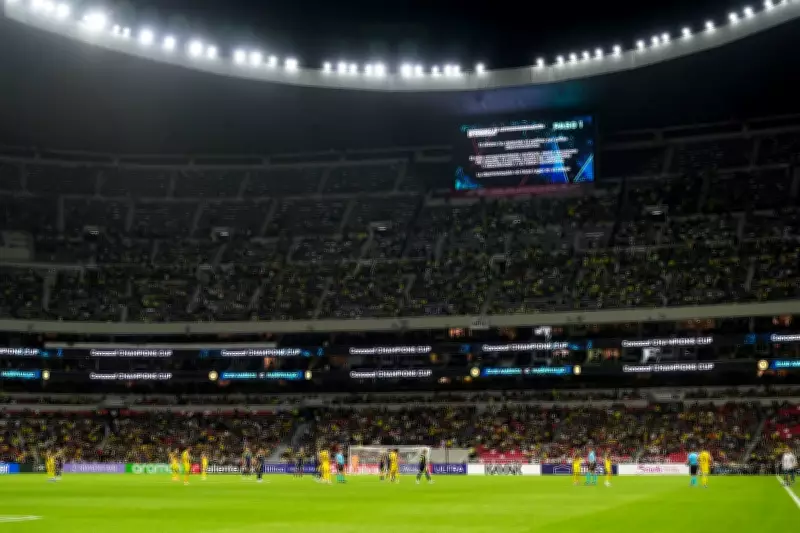
The chant has re-emerged just months before the 2026 World Cup, where Mexico will host group-stage matches in Mexico City and Guadalajara—the latter believed to be where the chant originated over 20 years ago. It was heard loudly at Azteca Stadium during recent friendlies against Portugal and in CONCACAF Champions Cup matches, causing referees to suspend play twice in each game.
Notably, the chant also occurred during intercontinental playoffs in Guadalajara and Monterrey involving non-Mexican teams, with videos showing Mexican fans teaching it to African supporters. Sisniega noted, "We understand that it often arises as a manifestation of frustration or annoyance from the fan, but that doesn’t make it acceptable, and we must continue working to change that behavior."
Fan Perspectives and Team Performance
Gabriel Galván, a dedicated fan who has attended every Mexican national team match since 2009, suggested the chant might be less prevalent at the World Cup due to higher ticket prices and a focus on enjoyment rather than frustration. However, the correlation between the chant and poor team performance—such as during Cruz Azul and América's recent eliminations—raises concerns it could surface if Mexico struggles in 2026.
Mexico's recent form adds pressure: after winning the CONCACAF Nations League and Gold Cup in 2025 but ending the year on a six-match winless streak, the team is currently undefeated in five 2026 matches, including draws against Portugal and Belgium. Sisniega emphasised, "We remain focused on the team performing well on the field, convinced that a positive connection with the fans also contributes to creating the atmosphere we all want in our stadiums."

As the World Cup approaches, the resurgence of this homophobic chant highlights the ongoing challenge of combating discrimination in football, despite decades of efforts by governing bodies worldwide. With FIFA's strict monitoring in place, Mexico faces a critical test to avoid sanctions and foster an inclusive environment for the global spectacle.