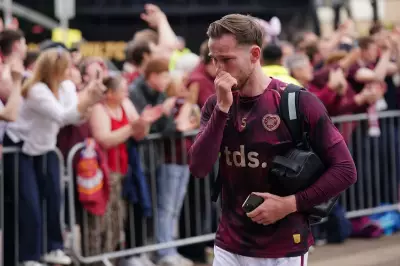
Aston Villa and Liverpool have been urged to urgently negotiate a resolution that permits midfielder Harvey Elliott to continue his professional football career without the current contractual restrictions that have left him in limbo. The 22-year-old joined Villa last summer on a loan agreement that included an obligation to buy for £35 million if he made a minimum of 10 appearances for Unai Emery's side.
Contractual Impasse Halts Progress
However, Villa manager Unai Emery does not value Elliott highly enough to authorize the substantial transfer fee next summer, creating a dysfunctional situation where the club is reluctant to play him. Elliott has featured seven times for Villa so far, but between October 2 and January 29, he did not make a single appearance, as Villa desperately seeks to avoid triggering the purchase obligation.
FIFA regulations complicate matters further, as Elliott has already played for both clubs this season, preventing him from joining another team. Daily Mail Sport revealed on February 2 that Villa and Liverpool were scheduled for fresh discussions about Elliott's future, but no solution has been reached yet.

Potential Solutions and Expert Commentary
Among the viable options being considered are raising the appearance target or converting the obligation to buy into a simple option. Speaking on the Football Boardroom podcast, former Liverpool managing director and ex-Villa CEO Christian Purslow highlighted the perverse incentives in the current arrangement.
Purslow stated, 'The deal that was done, possibly by former Villa transfer chief Monchi rather than Unai Emery, creates a perverse incentive for Unai not to select the footballer. This is utterly dysfunctional, and nobody benefits. Common sense suggests compromise is essential.'
He urged direct talks between key figures, adding, 'Unai needs to meet with Liverpool's key decision-maker, Michael Edwards, the CEO of football. Edwards believed he had sold Harvey Elliott on a deferred transfer, but it hasn't worked out. In a room together, Unai would explain that Elliott won't play because Villa doesn't want to buy him.'
Financial and Career Implications
Purslow emphasized the mutual benefits of a revised agreement, noting, 'If the contractual pressure were removed, there's a strong chance Elliott would get ample playing time between now and summer. Liverpool's financial models anticipate the transfer fee, but Villa won't buy him. If Elliott plays more minutes, his market value remains higher; if he sits out for four months due to contractual reasons, everyone loses.'
The stalemate underscores broader issues in football transfers, where complex loan deals can inadvertently hinder player development and club strategies. Both clubs now face mounting pressure to find a pragmatic solution that serves Elliott's career interests while addressing their respective financial and sporting objectives.