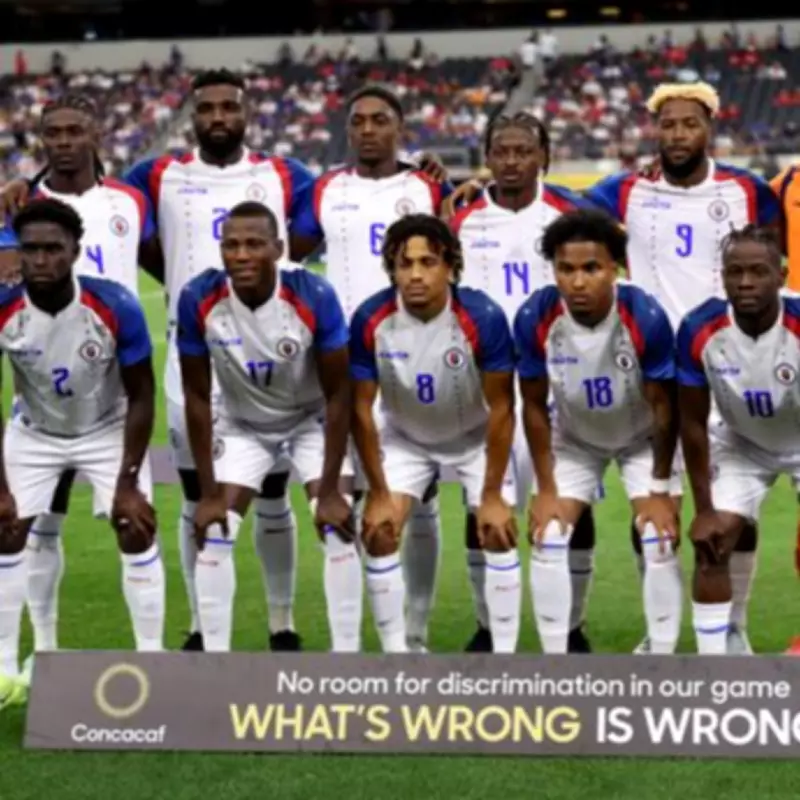
Haiti's Historic World Cup Return Marred by National Crisis
This summer, Haiti's footballers will end a 52-year wait when they compete in their first FIFA World Cup since 1974. For the Caribbean nation of approximately 11 million people, this moment represents a dream many believed would never be realised again. However, this historic achievement is tragically overshadowed by a devastating gang crisis that has plunged the country into chaos.
A Nation Under Siege
While coach Sébastien Migné's squad prepares to face Brazil, Scotland, and Morocco on American soil, Haiti itself remains gripped by unprecedented violence. The 2021 assassination of President Jovenel Moïse created a power vacuum that armed gangs have ruthlessly exploited. Currently, these criminal groups control approximately 85% of the capital, Port-au-Prince.
The human cost is staggering. More than 5,500 people were killed in gang-related violence during 2024 alone. The United Nations reports that violence has forced 1.4 million Haitians—about 12% of the population—to flee their homes. Nearly six million people now face food insecurity, with basic necessities becoming increasingly scarce.

The Foreign Office advises against all travel to Haiti, a warning that extends to the national football team itself. Remarkably, coach Migné has never set foot on the island due to security concerns. The team has been unable to play home matches in Haiti since 2021, instead using Curaçao—500 miles away—as their makeshift home ground.
Travel Ban Dashes Fan Hopes
The celebration of Haiti's World Cup qualification last November saw rare moments of joy, with people taking to the streets for the first time since 2021. Yet this optimism has been tempered by practical realities. A US travel ban implemented during the Trump administration and maintained by subsequent governments will likely prevent most Haitian nationals from attending their team's group stage matches.
Forward Don Deedson Louicius, who scored four crucial goals in qualification, expressed the team's disappointment. "It's bigger than football," said Louicius, who left Haiti at age 14 for the United States. "After 52 years, everyone wants to see the games. It's a bad thing that not everyone will have the chance."
The travel restrictions follow dangerous incidents that prompted airlines to suspend Haiti flights. In 2024, a Spirit Airlines plane was struck by bullets while approaching Port-au-Prince, injuring a flight attendant and forcing airport closures.
Football Against All Odds
Haiti's qualification represents a remarkable sporting achievement against tremendous adversity. The national stadium, Stade Sylvio Cator, has become a "no man's land" in what Louicius describes as a "red zone." The Haitian football federation confirmed in 2024 that they had lost possession of the facility to armed groups.
Despite playing "home" matches in nearly empty stadiums in Curaçao—sometimes with only 500 supporters while opponents enjoyed greater fan support—Haiti finished top of their qualification group ahead of Honduras and Costa Rica.
Louicius, now 24 and playing for Dallas FC, will make history when he faces Brazil in Philadelphia on June 19. "Everyone in Haiti is excited, and everyone who loves soccer in Haiti loves Brazil," he said. "Normally when Haiti are not in the World Cup, people support Brazil or Argentina, so for us to play them is big."
Hope Beyond the Pitch
For Louicius, the World Cup represents both a personal and national milestone. After moving alone to Atlanta as a teenager to pursue his football dreams, he will now play a World Cup match in that same city against Morocco on June 24.
Yet beyond personal achievement, the team carries a heavier burden. "The hope for the players is that things will change," Louicius explained. "We hope we can help make a different country."
While football's power to unite a broken nation may seem idealistic, it remains a beacon of hope for players and citizens alike. As Haiti prepares for its long-awaited World Cup return, the beautiful game offers a temporary respite from a crisis that shows no signs of abating.