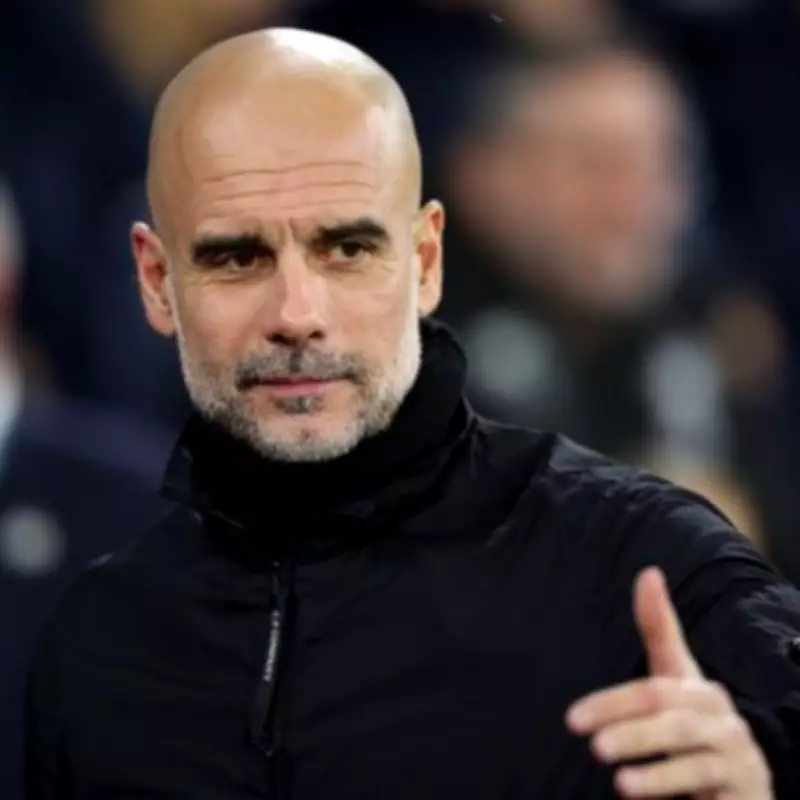
On February 1, 2016, at precisely 1:03 PM, Manchester City issued a 110-word statement on their website that would irrevocably alter the landscape of English club football. The announcement confirmed the impending arrival of Pep Guardiola as their new manager, heralding the dawn of a profoundly challenging and transformative era. A decade later, as Guardiola approaches his tenth season in the Premier League, assessments of his legacy are poised to be numerous and fiercely contested, yet one aspect remains beyond dispute: his tenure has fundamentally challenged conventional footballing wisdom in England.
The Indisputable Impact of Guardiola's Philosophy
Guardiola's legacy extends far beyond the tangible success of six Premier League titles in seven seasons, a period of dominance that some argue has not been entirely beneficial for elite football. While the competition never lost its allure during City's peak years, the team's recent slight dip in competitiveness has sparked debate about whether the overall standard has waned. However, what is undeniable is that a free-flowing Manchester City under Guardiola's direction has provided one of the most thrilling spectacles in the history of English football.
His teams have never passed merely for the sake of passing; instead, their play has been characterised by quick, incisive, and visionary football. This approach has redefined tactical expectations, from demanding that goalkeepers act as footballers to pioneering inverted full-backs and deploying defenders in midfield roles. For a significant period, Guardiola's attacking systems were implausibly fluid, making matches involving his team almost always enthralling for neutrals, regardless of the outcome.

The Complex Debate Surrounding Success and Finance
Everything else about Guardiola's legacy is subject to intense and complex debate. The 115 Premier League charges against Manchester City for alleged financial rule breaches cast a shadow, even though most accusations predate Guardiola's tenure and there is no implication of his personal involvement in any wrongdoing. If the club's extensive trophy haul was achieved while breaking financial regulations, some will argue that success is tainted.
Even if City are cleared of serious misdemeanours, a compelling case will be made that Guardiola's achievements were decisively underpinned by the club's financial might. It is unarguable that such lavish investment in players was a prerequisite for winning so consistently. This financial context ensures that his legacy will be scrutinised through a lens that questions whether any manager could have replicated such success without similar resources.
Memorable Moments and Tactical Nourishment
Guardiola's impact is perhaps best illustrated by moments where defeat failed to dim the brilliance of his team's performances. The 2022 Champions League semi-final first leg against Real Madrid, a 4-3 City victory at the Etihad, was a night of pure magic where City could have scored ten goals. Despite eventually losing the tie, the match enthralled neutrals, showcasing the captivating football that has defined his era.
Moreover, Guardiola has provided the tactical nourishment for great players like Kevin de Bruyne and Rodri to produce feats of excellence, reinforcing his status as the most influential coach in English football's modern era. His innovations have forced the entire league to adapt, though the current Premier League cycle is now shaped by more direct approaches, such as set-pieces and long throws, highlighting football's cyclical nature.
The Future and an Enduring Legacy
As tactical trends shift, many speculate that this season might be Guardiola's last in the Premier League, though he notes his contract runs until 2027 and he has always honoured such agreements. Whether he stays for another year or departs, one certainty remains: that announcement a decade ago signalled not just a new manager for Manchester City, but a challenging new era for English club football itself. Guardiola's legacy, therefore, is not merely in trophies or debates over finance, but in the indelible mark he has left on how the game is played and perceived in England.