Grand National 2026: Essential Trends and Insights for Picking a Winner
As the Grand National approaches this Saturday, horse racing enthusiasts and bettors are eagerly analysing key trends to identify potential winners. From the most successful silk colours to critical age statistics, understanding these factors can significantly enhance your chances of making an informed selection. This article delves into the verified trends that have shaped the race's history, offering a comprehensive guide to what to consider before placing your bets.
Most Successful Silk Colour: Green Dominates the Field
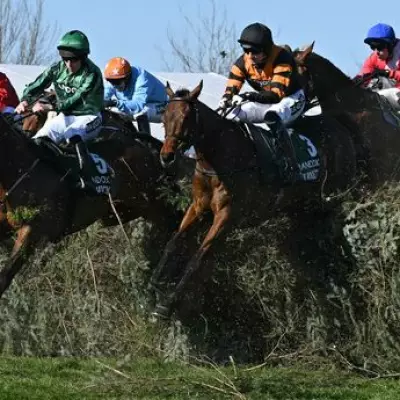
Historically, the most successful silk colour in the Grand National is green, having been worn by more winners than any other primary shade. This trend is largely influenced by the dominant presence of owner J.P. McManus, who uses green and gold hoops on his silks. McManus has won the race multiple times with notable horses such as Don't Push It and Minella Times, cementing green's reputation as a lucky colour in this prestigious event. While other colours like red or blue have seen success, green remains the standout choice based on past performances.
Age Trends: Eight and Nine-Year-Olds Lead the Pack
Statistics confirm that horses aged eight and nine are the most successful in the Grand National, accounting for the vast majority of winners over the last 30 years. Younger horses, particularly those under eight, often lack the stamina required for the gruelling 4 1/4-mile distance, while horses older than 12 rarely possess the speed necessary to compete effectively at the finish line. However, there is an outlier: in 2022, Noble Yeats broke a 117-year drought for seven-year-olds by winning the race. Despite this recent anomaly, betting on seven-year-olds remains statistically riskier compared to the seasoned profiles of eight or nine-year-olds, which continue to be the safest age groups for contenders.

Weight Constraints: The Critical "Weight Rule"
A critical trend for picking a winner is the "Weight Rule," which highlights that horses carrying more than 11 stone 5 lbs historically struggle to win the Grand National. The heavy Aintree turf and the demanding nature of the course make it mathematically difficult for top-weighted horses to maintain their energy through the final stages of the race. Bettors should prioritise horses with lower weights, as this factor has proven to be a reliable indicator of success over the years, ensuring that stamina is not compromised by excessive burden.
Stamina and Jumping Accuracy: Key Performance Indicators
Verified trends show that a horse should have previously won over a distance of at least three miles to be a serious contender in the Grand National. Without proven "staying power" in their racing history, horses almost always fade after the second-to-last fence, unable to handle the endurance required. Additionally, jumping accuracy is paramount; the "Fallers Rule" suggests avoiding horses that have fallen or unseated their rider more than twice in their career. Experience over large, "National-style" fences is vital, and a clean jumping record is the best indicator of a horse's ability to navigate the 30 obstacles safely and efficiently.
Course Experience and Official Rating Range
While winning the Grand National on the first attempt is possible, many winners have previously run in the race or the Becher Chase. Having "sights of the fences" provides a horse with the necessary orientation for the unique Aintree layout, reducing the likelihood of errors. Furthermore, the most accurate trend regarding quality is that most winners now fall within an Official Rating (OR) range of 145 to 155. Horses rated lower than 145 often struggle to qualify for the final 34-runner field, while those rated higher than 160 are usually burdened with too much weight, making this mid-range optimal for success.

The "French-Bred" Factor: Efficiency Over Volume
While Irish-bred horses still win the most races in total due to their sheer volume in the field, French-bred horses are significantly more efficient. Despite making up a small fraction of the runners, they win a disproportionately high percentage of the time. This efficiency is primarily because the French system of starting horses over fences as three-year-olds results in superior jumping technique and maturity compared to their peers. Bettors looking for value might consider French-bred contenders, as their proven track record suggests a higher chance of victory relative to their numbers.
In summary, by considering these key trends—such as green silks, the optimal age of eight or nine, weight constraints, stamina requirements, jumping accuracy, course experience, official ratings, and the French-bred factor—you can make a more informed decision ahead of Saturday's Grand National. Always remember to analyse each horse's profile thoroughly, as combining these trends with current form and conditions will give you the best shot at picking a winner.