Grand National Horse Welfare Debate Challenges Racing's Status
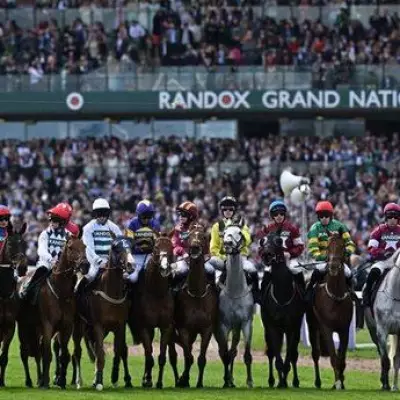
The Grand National, held annually at Aintree, is widely regarded as one of the most prestigious events in horse racing, drawing global attention and significant crowds. However, its unrivalled status is now under intense scrutiny as debates over horse welfare gain momentum. Critics argue that the race poses serious risks to equine safety, leading to calls for reforms or even cancellation to protect the animals involved.
Rising Concerns Over Equine Safety at Aintree
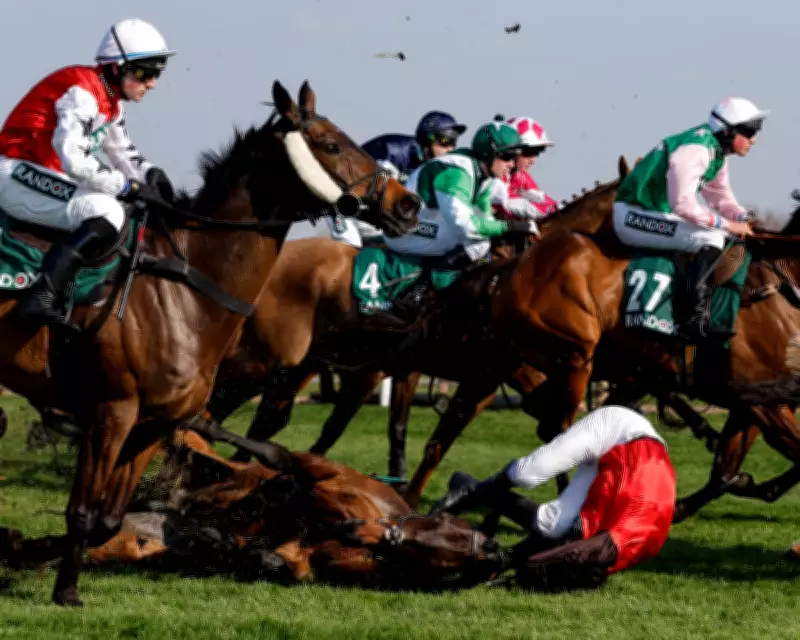
In recent years, incidents of horse injuries and fatalities during the Grand National have sparked widespread concern among animal rights groups and the public. Advocates for horse welfare highlight that the challenging course, with its high fences and long distance, increases the likelihood of accidents. They point to statistics showing that, despite improvements in safety measures, horses continue to suffer, raising ethical questions about the sport's sustainability.
Proponents of the race, including many within the racing industry, defend the Grand National as a cherished tradition that contributes significantly to the economy and cultural heritage. They emphasize ongoing efforts to enhance safety protocols, such as modifying fences and implementing stricter veterinary checks. However, opponents counter that these measures are insufficient, arguing that the inherent risks of the event cannot be fully mitigated without compromising its competitive nature.

Impact on Racing's Future and Public Perception
The debate over horse welfare at the Grand National is not just about animal safety; it also affects the broader future of horse racing. Public perception is shifting, with growing awareness and activism leading to increased pressure on organizers and regulators. Some experts suggest that failure to address these concerns could result in declining attendance, sponsorship losses, and potential regulatory changes that might alter the sport fundamentally.
Moreover, the discussion extends beyond Aintree, influencing other major racing events worldwide. As stakeholders grapple with balancing tradition with ethical considerations, the outcome of this debate could set precedents for how horse racing adapts to modern standards of animal welfare. Industry leaders are being urged to engage in transparent dialogues and invest in research to develop safer practices without diluting the excitement that makes the Grand National unique.
In conclusion, while the Grand National retains its iconic status, the ongoing horse welfare debate at Aintree highlights a critical juncture for racing. The sport must navigate these challenges carefully to ensure its longevity and maintain public trust, making this a pivotal moment for all involved in the equestrian world.