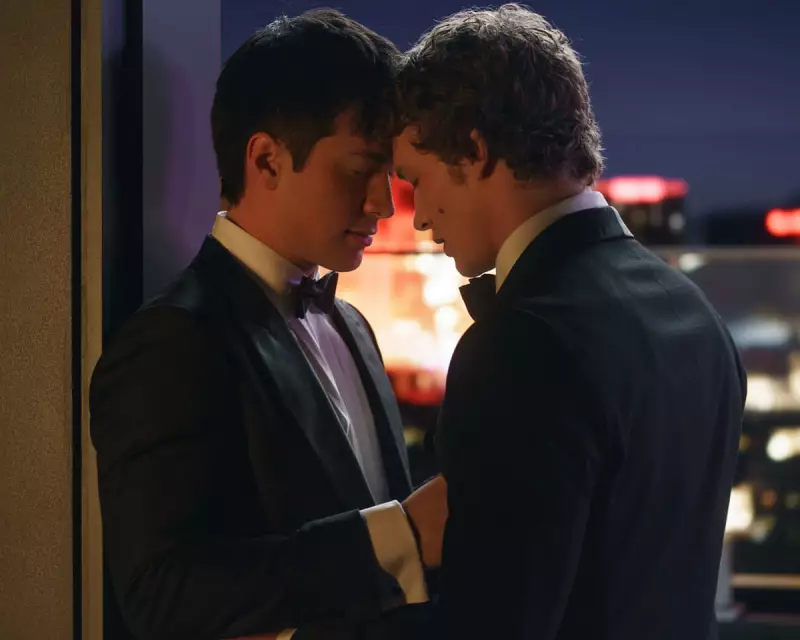
The surprise television hit of 2025, Heated Rivalry from Crave and HBO, is doing more than just captivating audiences with its dramatic storyline. The series, which follows the secret romantic relationship between two top ice hockey prospects, has ignited a fresh and urgent debate about the National Hockey League's persistent culture of silence and the barriers to LGBTQ+ visibility within the sport.
The Unspoken Rule: "No One Can Know"
At the heart of the show's narrative is a phrase that echoes a real-world reality for many in hockey: "no one can know." This is starkly illustrated in the first episode when Canadian prospect Shane Hollander, after a tryst with Russian rival Ilya Rozanov, anxiously seeks reassurance their encounter will remain secret. This fictional dynamic mirrors the authentic, often crushing pressure felt by gay players who feel compelled to hide their identities to protect their careers.
This fictional tension exposes a central paradox in hockey culture. The league publicly champions inclusivity through initiatives like its 2017 "Hockey Is For Everyone" campaign, designed to attract fans from underrepresented groups, including the LGBTQ+ community. NHL Commissioner Gary Bettman even framed diversity as a business and performance driver in the league's 2022 diversity and inclusion report, stating inclusion strengthens individuals and organisations.
From Pride Jerseys to Backpedalling: The NHL's Retreat
However, the commitment to these ideals has repeatedly wavered. The 2022 report itself was later removed from the NHL's official website. More tellingly, the league's stance was tested in January 2023 when Philadelphia Flyers defenseman Ivan Provorov refused to wear a Pride-themed warm-up jersey, citing his religious beliefs. His action triggered similar refusals from other players.
Instead of enforcing the initiative, the NHL retreated. Commissioner Bettman declared the symbolic jerseys had "become more of a distraction" and the league eliminated them from future events. This decision sent a powerful message: when faced with internal dissent over LGBTQ+ visibility, the league's priority was to avoid controversy rather than uphold its stated values of inclusion.
This institutional hesitancy reinforces a locker-room culture where being different is seen as a liability. As researcher Cheryl MacDonald found in a 2019 study, gay players reported feeling that any issue—from sexuality to mental health—could brand them a "distraction" and jeopardise their place on the team. The safest path has long been to say nothing at all.
A Glimpse of an Alternative Reality
Heated Rivalry daringly imagines a different outcome. In a pivotal scene, another gay player brings his boyfriend onto the ice to celebrate a championship win, sharing a public kiss in front of the crowd and cameras. The show's depiction of the crowd's enraptured, not appalled, reaction poses a compelling question: what if this was normalised?
Intriguingly, MacDonald's research suggests reality might align with this fictional portrayal. She found that when players did come out to teammates, reactions were generally positive, and homophobic banter often diminished. The acknowledgement, even through consensual humour, was frequently welcomed by gay players. This highlights the frustrating gap between potential acceptance and the pervasive fear that prevents it.
The NHL has acknowledged the show's popularity, with a spokesperson telling Hollywood Reporter in December that it might be "the most unique driver for creating new fans" in the league's 108-year history. Yet this cheerful statement rings hollow against the backdrop of the league's actions. While happy to welcome new viewers, the NHL continues to sidestep the substantive conversation about the culture within its own sport that the drama so pointedly critiques.
Ultimately, Heated Rivalry succeeds because it transcends its genre. It is not just a sports drama or a romance; it is a sharp examination of why, in the high-stakes world of professional ice hockey, visibility is still treated as a problem rather than a possibility. For the NHL, the show's success is an unmistakable signal that its audience is ready for a more inclusive sport. The question remains whether the league will finally stop viewing the conversation as a distraction and start leading it.