First Tailgating Charge at Football Match Issued After Carabao Cup Final
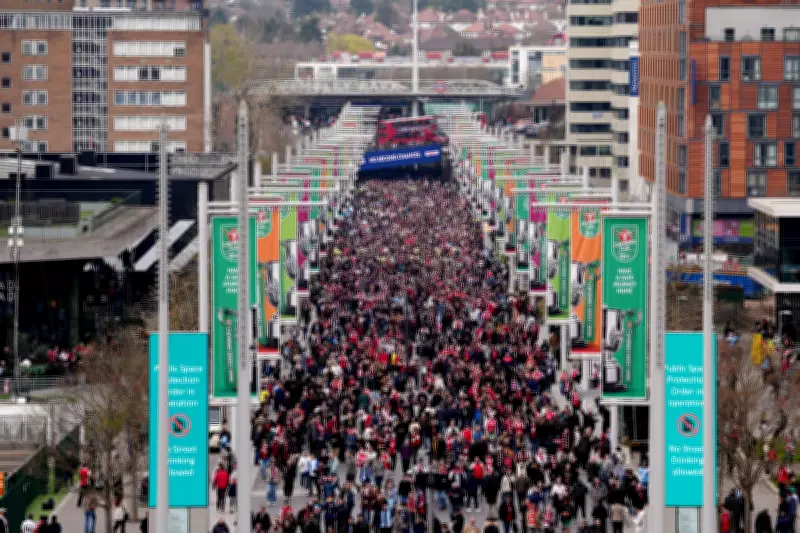
The Metropolitan Police has announced the first ever charge for tailgating at a football match, following the Carabao Cup final at Wembley Stadium. This landmark case comes after new legislation made tailgating—where fans slip through turnstiles by closely following ticket holders—a specific criminal offence.
Details of the Charge and Arrests
Benjamin Bailey, a 27-year-old from Oldham, Manchester, was arrested during Sunday afternoon's final and formally charged with tailgating at 7:45 pm. He is scheduled to appear at Willesden Magistrates' Court on May 1. Two other men were also arrested on suspicion of the same offence at Wembley and remain in police custody.
Additionally, police reported another arrest for suspected tailgating at Tottenham Hotspur Stadium, where Tottenham Hotspur faced Nottingham Forest. That individual has been bailed pending further investigation.

Significant Reduction in Offences
The Met highlighted a dramatic 78% reduction in offences at this year's final compared to last year. Total arrests dropped from 91 at the same fixture last year to just 20 on Sunday. This year's arrests included:
- Seven for affray
- One for assault of an emergency service worker
- One for racially aggravated assault
New Legislation and Background
The tailgating law was introduced in response to the serious disorder at the Euro 2020 final, when thousands of ticketless fans stormed Wembley Stadium during the England vs. Italy match. A subsequent review by Baroness Louise Casey found that lives were put at risk and that sanctions for stadium breaches were inadequate.
Her findings led to the new law, which makes tailgating a criminal offence with specific penalties. Previously, there were no dedicated legal penalties for attending a football game without a ticket.
Penalties and Policing Strategy
Under the new regulations, offenders convicted of tailgating across England and Wales face a football banning order of up to five years and a fine of up to £1,000. Chief Inspector Pete Dearden, from the Met's public order unit and match commander at Wembley, praised the policing operation:
"So much strategic planning goes into these operations. We expect high standards and every officer delivered that today. Huge changes have been implemented since last year, and we will now use the success of the policing operation today as a blueprint throughout the busy summer at Wembley so fans can safely enjoy upcoming fixtures."
This case marks a significant step in efforts to enhance stadium security and deter unlawful entry at major football events.