The sound of discontent echoed around the Theatre of Dreams once more on Tuesday night, as Manchester United's players were subjected to a chorus of boos following a dismal 0-0 draw with Wolverhampton Wanderers.
A Familiar Sound of Discontent
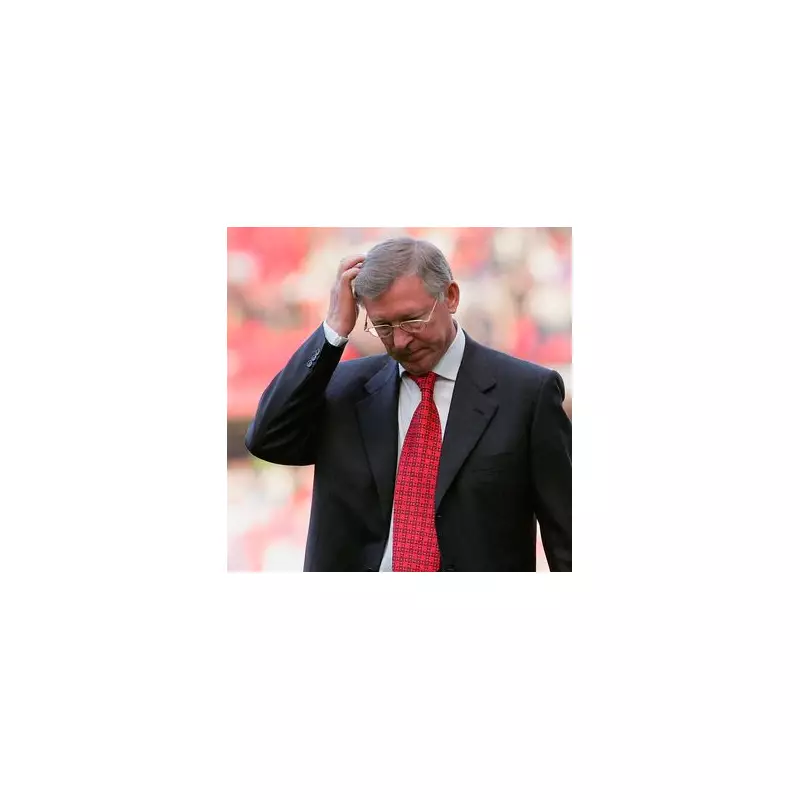
Former captain Gary Neville labelled the performance "the baddest of the bad," a sentiment clearly shared by the home support. This visceral reaction, however, is not a new phenomenon at Old Trafford. It harks back to a challenging period under the club's most successful manager, Sir Alex Ferguson, who faced similar vocal criticism in 2005.
Following a defeat to Blackburn Rovers that left his side 10 points behind leaders Chelsea after just six games, Ferguson's team was booed off their own pitch. The Scot, then two years without a Premier League title, was in no mood to placate the critics in his subsequent media address.
Ferguson's Defiant Stance
"No, I am not going to explain myself," Ferguson stated bluntly in the days after the Blackburn loss. Fans had chanted for a return to the classic 4-4-2 formation, frustrated by a tactical change that was not delivering results. A representative from the Independent Manchester United Supporters' Association (IMUSA) explained the booing was a culmination of long-term frustration, not a knee-jerk reaction to one game.
Some supporters even suggested Ferguson should have retired after the 1999 treble or his planned departure in 2002, citing "serious levels of underachievement" and questioning his transfer market decisions in the intervening years. Despite the pressure, Ferguson defended his team's form, calling the Blackburn result "a travesty" and insisting they simply had to "get on with it."
From Jeers to Cheers: The Ferguson Turnaround
The 2005-06 season did offer a partial recovery, with United applying pressure to Jose Mourinho's Chelsea and winning the League Cup. However, the true revival began in 2006. This marked the start of Ferguson's legendary second wind, which yielded a hat-trick of Premier League titles from 2007 to 2009 and a Champions League triumph in 2008 with a side he considered his greatest.
The recent jeers aimed at current boss Ruben Amorim serve as a stark reminder that patience at Old Trafford is finite, even for those who later achieve immortality. The club's history shows that fan dissent can be a powerful catalyst, but overcoming it requires the resilience and success that defined the Ferguson era.