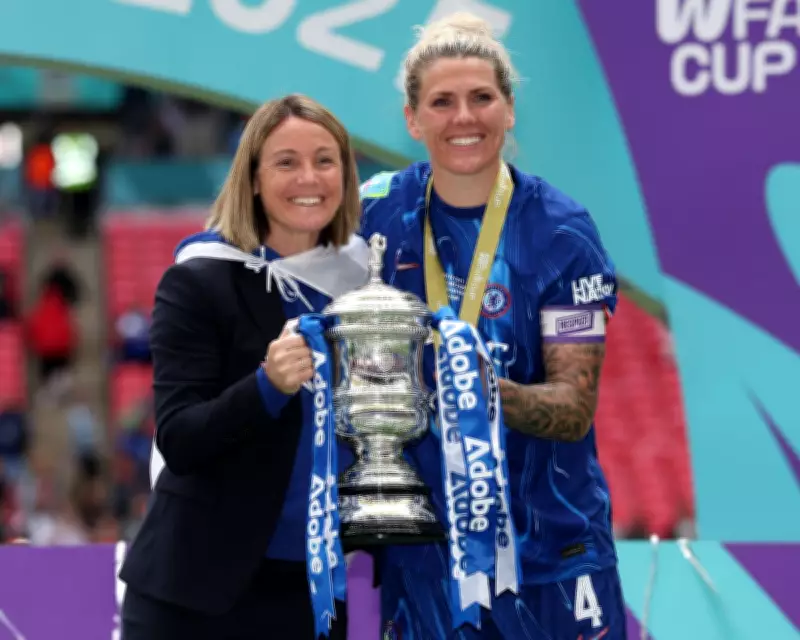
The Football Association has put forward a series of radical and potentially controversial proposals aimed at transforming the format of the Women's FA Cup. These plans, which are currently subject to consultation with clubs across the women's football pyramid, include the introduction of seeded teams and the elimination of traditional draws after the last 32 stage.
Seeding and Bracket System Proposed
Under the new proposals, the top four teams from the previous season's Women's Super League would be seeded in the competition. This move is described in FA documents as a 'temporary adjustment' that reflects the current developmental stage of women's football. The intention is to create the highest chances of consistent high-quality matches throughout the later rounds of the Cup.
Additionally, the FA plans to implement a 'road-to-Wembley bracket' system from the last 32 onwards. This would map out a predetermined path for teams to the final, similar to the structure used in World Cup tournaments. The FA argues that this bracketed approach enables better storytelling, enhances the competition's narrative, and allows clubs and fans to plot their journey to Wembley Stadium, thereby building momentum and excitement.

Commercial Drivers and Opposition
The proposed changes are driven by a clear objective to grow the competition's commercial potential and revenue streams. An FA-commissioned review of the Cup, which was founded in 1970, concluded that while the heritage of the 'FA Cup' brand name should be preserved, significant format evolution is necessary. The FA spokesperson stated: 'We committed in our women's and girls' game strategy to review the Adobe Women's FA Cup, recognising the need to evolve the competition and strengthen its commercial potential. This would enable us to reinvest more funding into both the competition itself and the wider women's football ecosystem.'
However, these plans have already encountered significant opposition from various clubs, particularly those in lower leagues. Club staff at several Women's National League sides have expressed concerns that seeding the top WSL teams would drastically reduce the chances of smaller clubs progressing to the latter stages of the competition. The last season's top four – Chelsea, Arsenal, Manchester United, and Manchester City – are the only clubs to have won the Cup since Birmingham's victory in 2012, with Arsenal holding the record of 14 titles.
Consultation Process and Other Changes
The FA's proposals are not yet final and are undergoing a thorough consultation process with stakeholders. Clubs, players, fans, and commercial partners are being engaged, with feedback periods scheduled through February and March. A final submission will be presented to the FA's board in April.
Other suggested changes include:
- Maintaining the final at Wembley Stadium, where it has been held since 2015.
- Avoiding the addition of extra rounds to protect player welfare.
- Potentially altering the schedule to hold a round every other weekend for three rounds from the last 32 to the quarter-finals.
- Conducting an 'entry tier review' for lower-league sides to enhance minimum stadium standards.
A fan survey regarding the competition has already garnered approximately 6,000 responses, indicating high levels of engagement and interest in the future of the Women's FA Cup.