
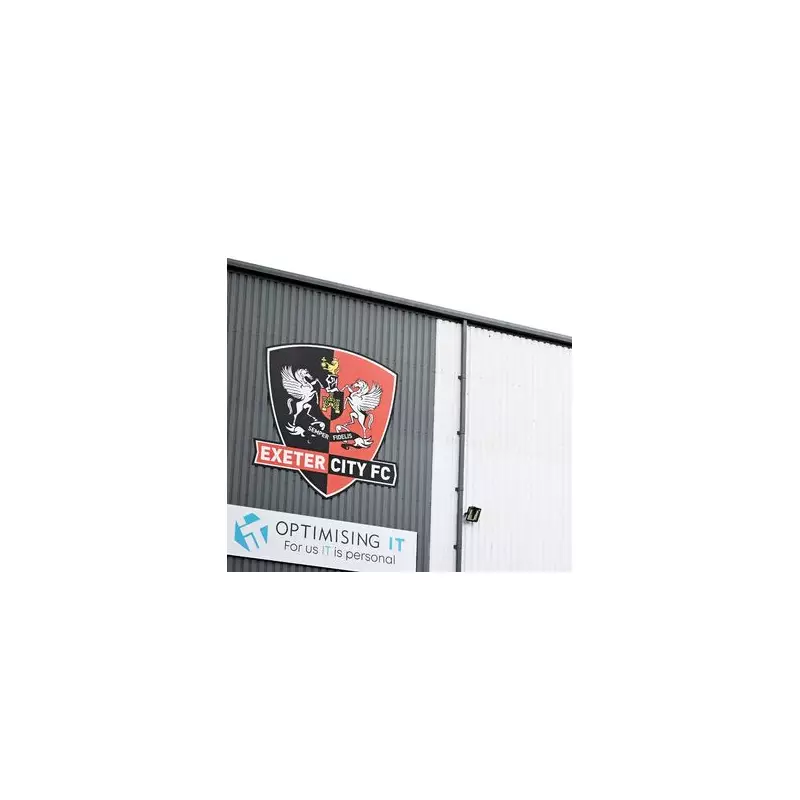
As Exeter City prepare for a glamour FA Cup tie against Manchester City, the club's fan-owned model is being championed as the sustainable future for the beautiful game.
The Sustainable Model Competing with Giants
Exeter City, owned by a Supporters' Trust with over 5,500 contributing members, is a rare entity in modern football. The League One club operates on a sustainable financial model, often necessitating the sale of academy graduates like Ollie Watkins and Ethan Ampadu to remain competitive. This approach stands in stark contrast to the millions poured into other EFL clubs by wealthy owners.
The philosophical divide will be on full display on Saturday, 10 January, when the Grecians travel to face the financial powerhouse of Pep Guardiola's Manchester City in the FA Cup third round. Ahead of this David vs Goliath clash, Trust chairman Pete Ferlie has spoken exclusively about the critical importance of the fan-owned structure.
'The Bubble Will Eventually Burst'
Ferlie expressed a firm belief that the current financial climate in football is unsustainable. He pointed to clubs like Sheffield Wednesday and other EFL sides where owners are pumping vast sums into chasing success, a strategy he sees as having a limited shelf life.
"I know a League One club that have spent £21million in the last three years, trying to get out of the division but they are still there," Ferlie revealed. "For how long are owners going to be willing to do that? In my view, the fan-owned club is the way forward."
He argued that the fan-owned framework offers long-term stability, predicting: "As time passes, it will become increasingly evident that a fan-owned club is a highly successful model... and the bubble will eventually burst." While hopeful more clubs will follow Exeter's lead, he admitted he is "hopeful, but not optimistic."
Community at the Heart of the Club
Beyond the balance sheet, Ferlie emphasised the profound community impact that defines a club like Exeter. The Exeter City Community Trust runs over 60 programmes across the city, delivering social value worth millions of pounds.
"Being a community-owned club is something special and I think that gets lost sight of sometimes," he said, contrasting this with the billions spent on Premier League transfers. "That is not the real world."
This community resilience was tested in mid-November when a fire damaged part of Exeter's St James Park stadium. Characteristically, the club took the setback in its stride. "It is not uncommon for us to have these financial hiccups," Ferlie stated. "We're battling through it."
The upcoming FA Cup run, particularly progression to the fourth round, is seen as a significant boost to help navigate these challenges. For Exeter City, the dream on the pitch against Manchester City is matched by a steadfast belief in their model off it—a model they are convinced football must eventually embrace.