Europa League Success Proves Fleeting for Struggling Tottenham
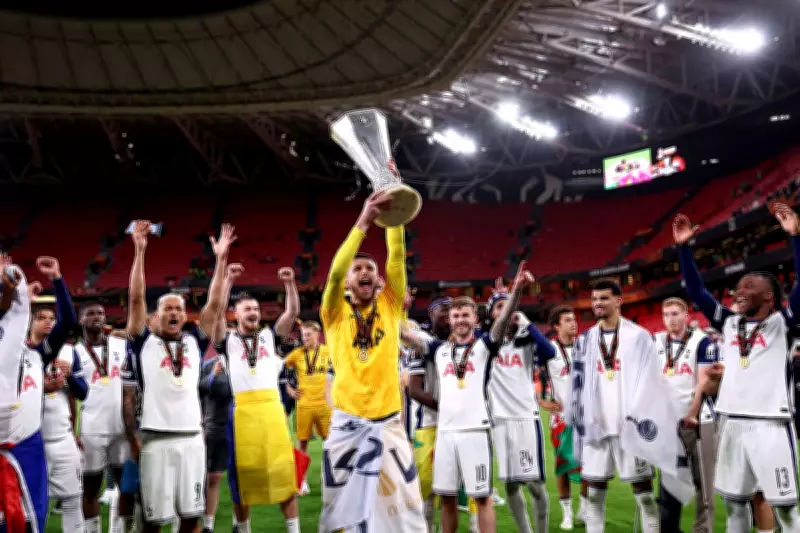
Eight months have passed since Tottenham Hotspur celebrated their Europa League triumph in Bilbao, ending a 17-year trophy drought. Yet, despite that historic victory, the club finds itself languishing closer to the Premier League relegation zone than the coveted top four positions. The reasons behind this dramatic decline are deeply rooted in the club's hierarchy, drawing striking parallels with the ongoing challenges at Manchester United.
Solskjaer's Warning Rings True for North London Club
Former Manchester United manager Ole Gunnar Solskjaer once remarked that "sometimes a cup competition can hide the fact you're still struggling," suggesting trophies could serve as mere ego boosts rather than genuine progress markers. This observation has proven remarkably prescient for Tottenham. While manager Ange Postecoglou initially claimed the Europa League win would "accelerate opportunities to build a successful team," the reality has been starkly different.
Postecoglou was dismissed just sixteen days after the final, with Tottenham's subsequent Premier League campaign yielding only 38 points. His replacement, Thomas Frank, now faces the daunting task of reviving the club's fortunes both domestically and in European competition. Despite guiding Spurs to fourth in the Champions League league phase, their domestic form remains concerningly poor.

Boardroom Parallels Between Two Football Giants
The similarities between Tottenham and Manchester United extend beyond on-pitch struggles to structural issues within their respective boardrooms. While United's financial advantages allow them to spend over £200 million on a new frontline alone, Tottenham's summer investment of £170 million has failed to translate into improved league performance. The clubs share eerily similar challenges regarding recruitment strategies and executive decision-making.
Daniel Levy's surprising departure last year highlighted ongoing concerns about Tottenham's focus on business operations over sustained sporting success. This mirrors allegations frequently leveled against Manchester United's hierarchy. Both clubs have issued public statements promising transformation and "new eras," yet fans remain skeptical of these commitments given current performances.
Recruitment Failures Compound Tottenham's Troubles
Tottenham's transfer dealings have drawn particular criticism, with approximately £200 million spent on players including Richarlison, Mathys Tel, Brennan Johnson, and Yves Bissouma—all of whom would likely need replacing for the club to mount a genuine title challenge. While successes like James Maddison and Micky van de Ven exist, questionable decisions such as the £30 million acquisition of Tel—who was subsequently omitted from Champions League squads—highlight deeper issues.
Captain Cristian Romero's recent criticism of having only "11 players available" for the Manchester City draw, coupled with reports of his potential departure, underscores growing discontent. Sporting director Johan Lange's response, rather than addressing fundamental problems, has further frustrated supporters who see a state-of-the-art stadium and top-ten global revenue failing to produce competitive results.
The Poisoned Chalice of European Success
The Europa League victory, while providing substantial financial benefits estimated at over £70 million this season alone, has ultimately failed to mask Tottenham's underlying deficiencies. As Solskjaer suggested, the ego boost of trophy success has been replaced by harsh realities about the club's current standing. Results in recent weeks have proven more telling than past achievements, with Tottenham's league position reflecting systemic issues that transcend managerial changes.
Both Tottenham and Manchester United now face crucial summers where their boardrooms must demonstrate genuine competence in addressing long-standing problems. While ambition exists at both clubs, the capacity to deliver sustained success remains uncertain. The Europa League trophy, rather than catalyzing transformation, has instead illuminated the structural challenges that continue to hinder progress at two of England's most prominent football institutions.