Curling's Olympic Moment: Controversy Drives Unprecedented Attention
Is there such a thing as bad publicity? At the Winter Olympics, curling is discovering that perhaps not, as a recent on-ice dispute has catapulted the sport into the global conversation like never before.
A Decades-Long Quest for Recognition
For years, curling has struggled to elevate its profile beyond its quadrennial Olympic curiosity status. Traditionally overshadowed by skiing, skating, and snowboarding during the Games, the sport has sought ways to capture public interest more consistently.
Unexpectedly, a brief but intense altercation between Sweden's Oskar Eriksson and Canada's Marc Kennedy during a match has achieved what years of promotional efforts could not. The incident, involving an accusation of an illegal "double touch" and a fiery response, spread rapidly across social media, pushing curling to the forefront of Olympic discussions.

Mixed Reactions Within the Curling Community
Swiss curler Alina Paetz noted the novelty of seeing curling headlines in mainstream outlets like People magazine, highlighting the sport's sudden surge in visibility. However, this newfound attention comes with complexities for a sport steeped in tradition.
Emma Miskew, a three-time world champion from Canada, acknowledged that publicity is beneficial for growth but expressed concern that the situation was "blown up" excessively. The online backlash escalated to the point where Curling Canada CEO Nolan Thiessen reported "disgusting" emails targeting team members' families, prompting calls to keep disputes on the ice.
The Dual Nature of Olympic Exposure
Thiessen recognized the opportunity amidst the controversy, noting that while rule infractions sparked outrage, the drama also drew unprecedented engagement. The Olympics provide a unique platform, with national allegiances, mic'd athletes, and high stakes creating a perfect storm for attracting new fans.
Kristian Heldin Lindstrom, manager of Sweden's women's Olympic team, emphasized the value of increased viewership, suggesting that once people start watching, they may appreciate curling's strategic depth and complexity.
Capitalizing on the Momentum
Nic Sulsky, CEO of The Curling Group, is leveraging this momentum to launch The Rock League, a professional curling event set for April 2026 in Toronto. Originally planned to coincide with post-Olympic interest, the controversy has amplified expectations beyond initial projections.
Sulsky remarked that while an incredible shot might have been preferable, fans are drawn to personality and authenticity, qualities exemplified by the Eriksson-Kennedy exchange. He believes the incident highlights the competitive and emotional nature of curlers, making them more relatable to audiences.
The Rule Behind the Ruckus
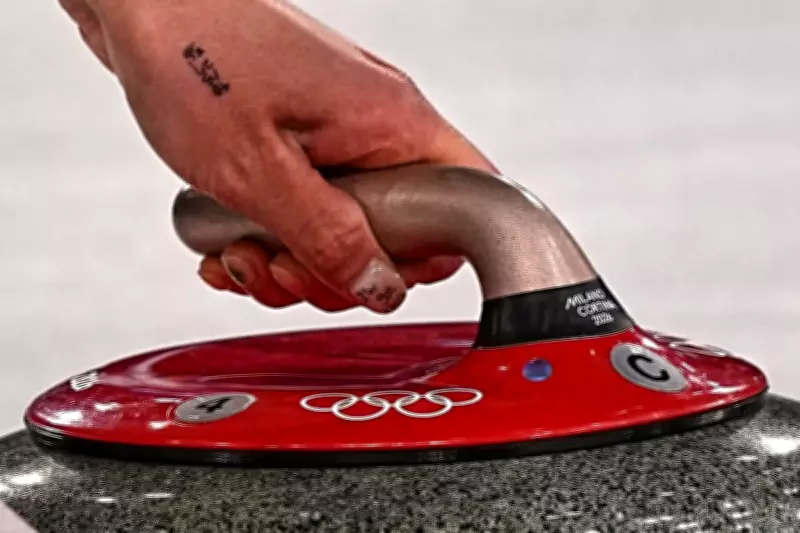
The "double touch" rule, which prohibits curlers from touching the stone after release, is notoriously difficult to enforce, often relying on an honors system without video replay. This ambiguity can lead to contentious moments, as seen in the viral dispute, adding a layer of unpredictability to the sport.
Reflecting on the future, Paetz humorously dismissed ideas of adopting professional wrestling-style promos, suggesting curling may remain as is. Yet, the current level of attention might suffice to sustain its growing fanbase.
Ultimately, this Olympic controversy has proven that even negative publicity can serve as a powerful catalyst for curling's expansion, blending tradition with modern media dynamics to secure a lasting place in the sports landscape.