Crystal Palace are set for a unique European fixture tonight, playing French side Strasbourg at a stadium partially constructed from the fuselages of decommissioned aeroplanes.
A Stadium Taking Flight from Recycled Parts
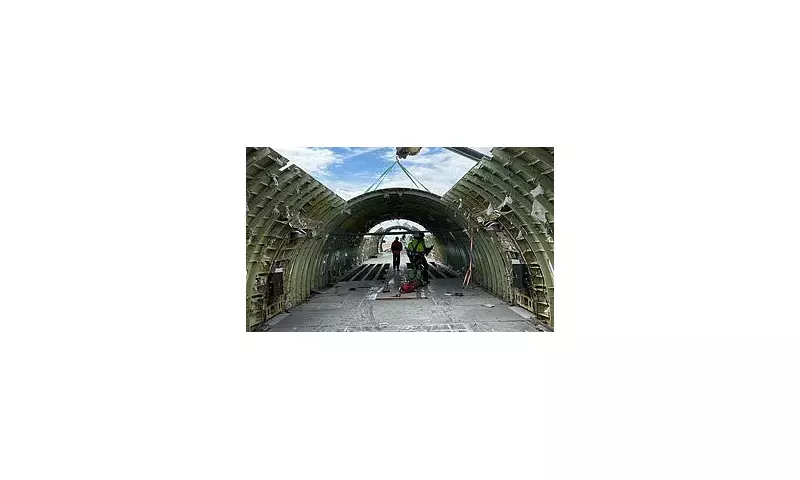
The recently refurbished Stade de la Meinau in Strasbourg boasts a truly distinctive feature: its south facade is composed of sections from no fewer than 30 retired Airbus A340 aircraft. This innovative project was born from a partnership between global stadium designers Populous and local architect Rey-de-Crecy, who saw an opportunity to create a unique and environmentally conscious venue for the municipality.
The concept emerged during the Covid-19 pandemic, a period when air travel was drastically reduced and airlines downsized their fleets. The fuselage sections were carefully cut from planes that were taken out of service during this time. These sections were then transformed into 196 individual panels that now clad the stadium's south side, serving as a functional sun shading system while creating an iconic architectural statement.
An Ongoing Transformation with Green Credentials
Work at the Stade de la Meinau is not yet complete. The renovation project is scheduled for full completion in August, at which point the stadium's capacity will be increased from its current 26,000 to 32,000 seats. Beyond the remarkable aeroplane facade, the new South Stand will also include two party decks, offering fans open spaces to socialise and enjoy the match.
Francois Clement, president of Populous France, emphasised the project's significance, stating it 'elevates the concept of sustainable stadium design'. He explained that the design 'sought to make use of decommissioned aircraft, using upcycled architecture to deliver the innovative concept at the heart of an environmentally sustainable design for the revamped stadium.'
What This Means for the Future of Stadiums
This project places Strasbourg at the forefront of a new wave of sustainable sports architecture. By repurposing materials on such a large scale, it demonstrates a practical application of the circular economy, turning waste into a valuable resource. For Crystal Palace and their manager Oliver Glasner, the match offers a chance to secure a victory in a ground that is itself a landmark of innovation and environmental responsibility in the Europa Conference League.