Crowd Scientist Innovates Boston Marathon for 30,000+ Runners
Crowd Scientist Enhances Boston Marathon Experience

Crowd Science Transforms Boston Marathon Management

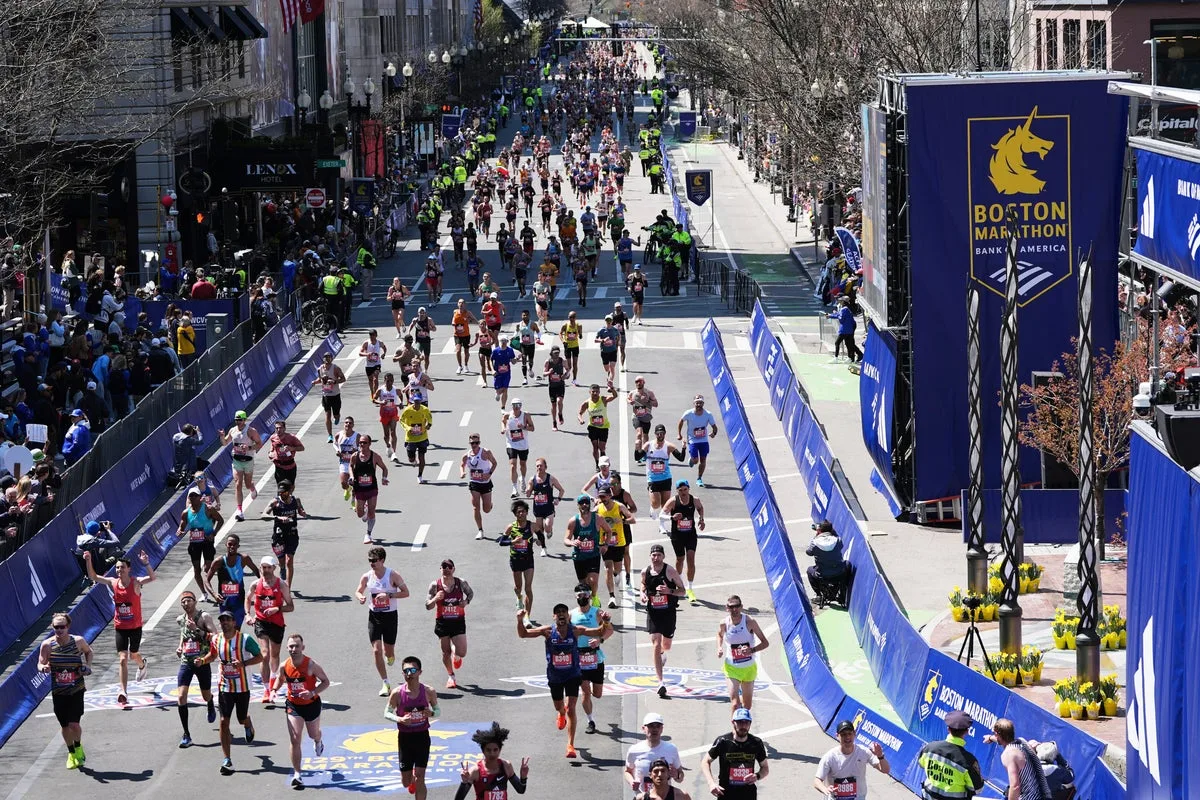
Running the Boston Marathon presents a formidable challenge, but navigating through a massive field of over 30,000 participants from Hopkinton to Copley Square adds an extra layer of complexity. To address this, race organizers have enlisted the expertise of a crowd scientist to enhance the event's logistics and runner experience.

Expert Insights from Marcel Altenburg

Marcel Altenburg, a senior lecturer in crowd science at Manchester Metropolitan University in Britain, is leading this innovative effort. "There are certain things that we can't change—that we don't want to change—because they make the Boston Marathon," Altenburg explained. "Like, I'm a scientist, but I can't be too science-y about the race. It should stay what it is because that's what I love. That's what the runners love."

The Boston Marathon, the world's oldest and most prestigious annual marathon, traces its origins to the endurance test from the inaugural modern Olympics in 1896. This event itself paid homage to Pheidippides, the messenger who ran from Marathon to Athens with news of Greek victory, famously collapsing after delivering his message. Organizers aim for a more positive outcome for today's runners, even as participation has surged from 15 in 1897 to around 30,000 since 2015, peaking at 38,000 for the 100th edition in 1996.

Wide Pickt banner — collaborative shopping lists app for Telegram, phone mockup with grocery list

Addressing Growth and Constraints

As the marathon expanded, it strained the narrow New England roads and host communities eager to resume normal activities quickly. Race director Dave McGillivray highlighted the core issue: "The problem with this race is that it's about two things: time and space. We don't have either. ... So, we're trying to be innovative."

Altenburg, a former German army captain and ultra-marathoner, brings experience from major races, large sporting events, airports, and exhibitions. His role involves creating simulations to optimize safety and flow for the marathon, which attracts hundreds of thousands of spectators alongside runners. "We have simulated the Boston Marathon more than 100 times to run it once for real. That is the one that counts," Altenburg noted in a telephone interview.

Key Changes for a Smoother Race

Organizers granted Altenburg creative freedom to experiment within existing time constraints. The most visible adjustment for this year's event is the implementation of six starting waves, organized by qualifying times, replacing the previous three-wave system. This change, first introduced in 2011, helps alleviate congestion, especially at the narrow 39-foot-wide Main Street in Hopkinton.

Less obvious modifications include:

  • Optimized bus unloading procedures at the start.
  • Strategic placement of water and aid stations along the route.
  • Improved finish line chutes for medal distribution, refreshments, and medical care.

Lauren Proshan, chief of race operations and production for the Boston Athletic Association (BAA), described the process: "For an event that's as old as ours, 130 years, it allowed us to be a startup all over again. The change isn't meant to be earth-shattering. It's to be a smooth experience from start to finish." She emphasized that these behind-the-scenes efforts aim to create a seamless runner experience, with benefits like shorter porta potty lines.

Balancing Innovation with Tradition

Altenburg praised the BAA's cautious approach: "What I loved about working with the BAA was how aware they are of what the Boston Marathon is. And they won't change anything lightly." The collaboration involved meticulous planning from the end of last year's race, ensuring any alterations respect the event's historic legacy.

The BAA plans to gather feedback over the next three years before considering further expansions or changes. McGillivray stated, "Fingers crossed, hope for the best, but we'll get feedback from the participants. And they'll let us know whether or not it worked." However, extending the course duration or altering the route remains off the table, limiting the scope of crowd science interventions.

Pickt after-article banner — collaborative shopping lists app with family illustration

Ultimately, Altenburg acknowledged the human element: "I can talk. I'm a scientist. I just press a button and it's going to be. But the runners still have to do it." This blend of scientific innovation and respect for tradition aims to preserve the marathon's essence while enhancing safety and enjoyment for all involved.