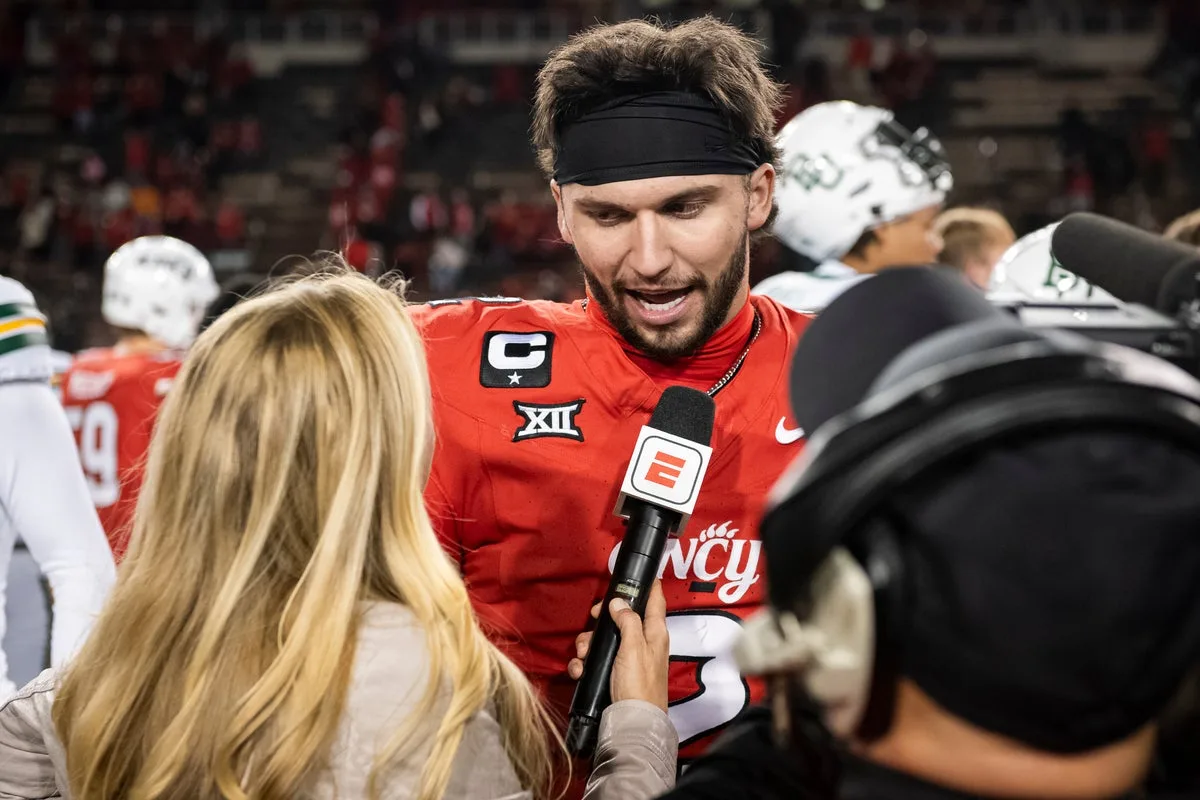
Without federal legislation codifying rules on athlete compensation and eligibility, or an entirely new structure, the stream of lawsuits in college athletics is set to continue, experts have warned. Duke and Cincinnati have filed suits demanding quarterbacks pay damages for allegedly breaching revenue-sharing contracts when they entered the transfer portal, while Washington made similar threats before its quarterback returned.
A parade of athletes, starting with Vanderbilt's Diego Pavia in 2024 and continuing with Virginia's Chandler Morris this week, have challenged eligibility rules to extend the number of years they can compete and earn money. University of Illinois law professor Michael LeRoy recalled that the House vs. NCAA settlement was hailed as an era of stability, but said that has been "a spectacular miscalculation".
Since name, image and likeness (NIL) deals began in 2021, the financial landscape has transformed. Philadelphia contract law attorney Andrew Hope explained that liquidated damages clauses are typically enforced if they represent a good-faith estimate of loss, but athletes argue such provisions do not accurately reflect the value of their NIL to the school. Schools, of course, disagree.
Sports attorney Mit Winter predicted most contract disputes will end in negotiated settlements, as neither side will want the cost of a court battle. Hope noted that in traditional employment, non-compete clauses would apply, "but you can't have that because these students aren't employees".
To stop eligibility lawsuits, Winter said one of three things must happen: a federal law granting the NCAA an antitrust exemption, such as the SCORE Act; a Supreme Court ruling upholding NCAA rules; or a new structure. However, the Supreme Court ruled 9-0 against the NCAA in 2021's Alston case, with Justice Brett Kavanaugh writing that its business model would be "flatly illegal" in almost any other industry. LeRoy added that private equity interest in college athletics further weakens the NCAA's case.