UEFA Champions League Draw Rule Change to Impact Arsenal and Liverpool
Champions League Rule Change Affects Arsenal and Liverpool

A significant rule change is set to be implemented in the UEFA Champions League, which could have notable consequences for Premier League giants Arsenal and Liverpool should they secure qualification for the 2026/27 season. The alteration specifically targets the league phase draw, introducing a new restriction designed to increase fixture variety and competitive balance across Europe's premier club competition.

Understanding the New UEFA Regulation

Starting from the 2026/27 campaign, UEFA will enforce a rule that prohibits the same two teams from being drawn to play each other at the same home venue for three consecutive seasons. This means that if a club has hosted a particular opponent in the league phase for two seasons running, that specific fixture cannot be repeated for a third time in the following season's draw.

Practical Implications for English Clubs

This regulation has direct relevance to both Arsenal and Liverpool based on recent Champions League history. For instance, Liverpool have faced Real Madrid at Anfield in both the 2024 and 2025 campaigns, securing 2-0 and 1-0 victories respectively. Under the new rules, a third consecutive Anfield meeting between these two European heavyweights would be blocked by UEFA's draw software.

Similarly, Arsenal's encounters with Inter Milan at the San Siro in 2024 (a 1-0 defeat) and earlier this month (a 3-1 victory) mean that a third straight away fixture at that venue would also be prevented. The clubs could still meet in reversed fixtures, but the specific home-away pattern would be broken.

Context of the Champions League Revamp

This adjustment represents another evolution of the Champions League format, which was substantially redesigned at the beginning of last season. The revamp has generated considerable debate among football stakeholders, with critics pointing to increased fixture congestion while supporters highlight enhanced competitive tension throughout the expanded league phase.

The current format involves 36 teams competing in a single league phase, with clubs playing eight matches against opponents from four different seeding pots. Teams are prohibited from facing domestic rivals and are limited to no more than two fixtures against clubs from any other single nation.

Current Premier League Standing in Europe

As the final matchday of the current league phase approaches, English clubs are demonstrating their strength in European competition. Arsenal currently top the table with a perfect record of seven victories from seven matches, while Liverpool occupy fourth position with 15 points.

The battle for automatic qualification spots remains intense, with Tottenham Hotspur trailing Liverpool by just a single point in fifth place. Newcastle United and Chelsea currently hold seventh and eighth positions respectively, though both face pressure to maintain their standings and avoid the play-off round.

Meanwhile, 2023 champions Manchester City find themselves in an unusual 11th position in the 36-team league phase, requiring a victory against Galatasaray to improve their chances of bypassing the two-legged play-offs next month.

Looking Ahead to Future Campaigns

The implementation of this new draw restriction reflects UEFA's ongoing efforts to balance tradition with innovation in European club football. By preventing repetitive fixture patterns, the governing body aims to maintain freshness in the competition while addressing concerns about predictability in the expanded format.

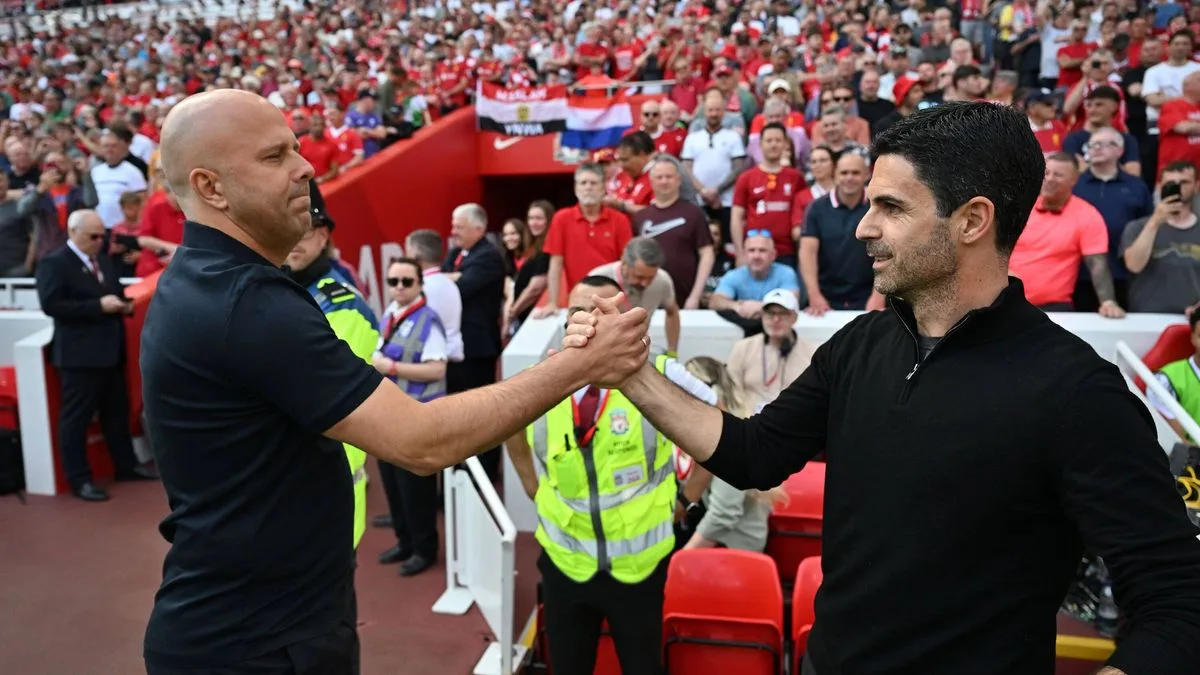
For Arsenal and Liverpool, both realistically positioned to secure Champions League qualification for next season, this rule change means strategic considerations for potential opponents. Managers Mikel Arteta and Arne Slot will need to factor in these new constraints when planning for European campaigns, potentially avoiding certain tough fixtures that might have become regular occurrences under the previous system.

The continued adaptation of Champions League regulations demonstrates football's evolving landscape, where competitive fairness, commercial considerations, and fan engagement all play crucial roles in shaping the future of the continent's most prestigious club competition.